Introduction
In an increasingly unpredictable world, the concept of food independence has captured the attention of those looking to secure their own sustenance. The ability to produce and control your food supply not only ensures security in times of crisis but also promotes a healthier lifestyle, free from the constraints of processed food industries. This movement toward self-sufficiency is driving the rise of off-grid living, where individuals and communities are turning away from conventional food production methods in favor of more sustainable practices.
Understanding Food Independence
Food independence is the capacity to grow and harvest your food without reliance on external systems. This approach resonates with a growing number of people who are wary of the vulnerabilities in our global food supply chain. Food independence is not simply a hobby; it is a lifestyle choice that embraces the principles of resilience, sustainability, and personal responsibility.
The Rise of Off-Grid Living
The appeal of off-grid living lies in its simplicity and the connection it offers to the natural world. Off-grid living means detaching from public utilities and creating a home that operates independently. This lifestyle encourages the use of renewable energy sources, water conservation, and growing your food, often leading to a smaller carbon footprint and a more eco-conscious existence.
What is Aquaponics?
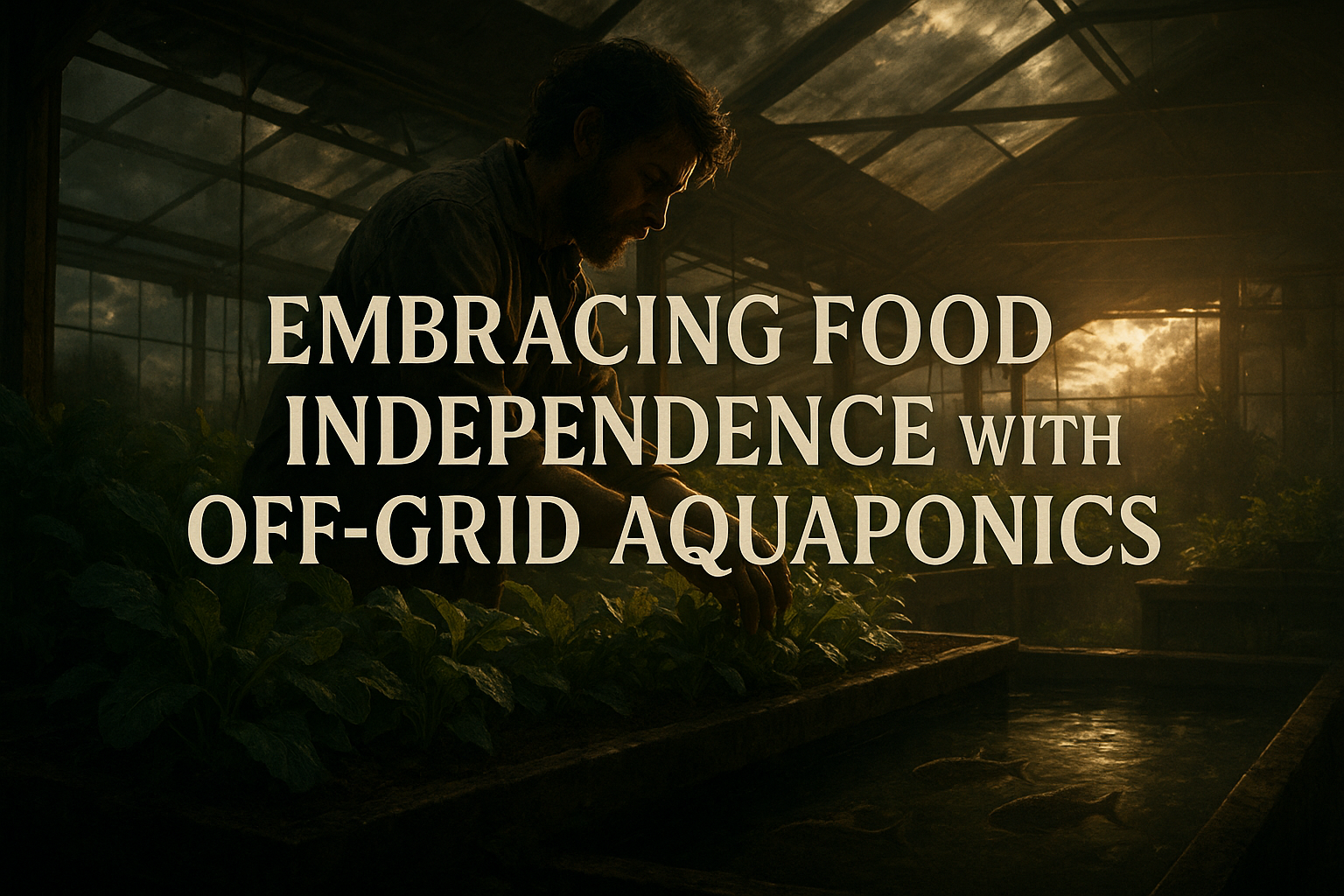
Aquaponics is a game-changer for those seeking to achieve food independence through off-grid living. It is an innovative and sustainable method of food production that combines aquaculture (raising fish) with hydroponics (cultivating plants in water). This closed-loop system is symbiotic, as the waste produced by the fish provides an organic nutrient source for the plants, which in turn purify the water for the fish. It is a perfect marriage of efficiency and sustainability.
The Basics of Aquaponics
To understand aquaponics is to unlock a door to efficient, sustainable food production. Let’s dive into the essentials of this remarkable system.
Defining Aquaponics
Aquaponics is a revolutionary approach to farming that allows for the simultaneous cultivation of fish and plants within a single, integrated system. It’s a combination that capitalizes on the strengths of both aquaculture and hydroponics while eliminating the inherent drawbacks of each method, such as the need for chemical fertilizers or the disposal of fish waste.
The Science Behind Aquaponics
At the heart of aquaponics is a simple yet profound biological process: the nitrogen cycle. Fish release ammonia into the water. Beneficial bacteria convert this ammonia into nitrates, which are then absorbed by the plants as nutrients. Cleaned water is then recirculated back to the fish tank, creating a sustainable loop that mimics natural ecosystems.
Benefits of Aquaponics for Sustainable Living
Aquaponics offers several advantages for sustainable living. It requires significantly less water than traditional farming, as the closed-loop system recycles water effectively. There’s also a reduction in the need for fertilizers and pesticides, making it a more organic choice. The ability to produce both protein (fish) and vegetables in the same space is particularly beneficial for food independence, especially in areas with limited arable land.
Setting Up Your Aquaponic System
Establishing an aquaponic system is a journey towards self-reliance. Let’s explore the key components and considerations for getting started.
Choosing the Right Location
The location of your aquaponic system is crucial. It should be an area with moderate temperatures, as extreme heat or cold can be detrimental to both fish and plants. Access to electricity is also necessary for running water pumps and aeration devices. Finally, consider the exposure to sunlight; plants will need adequate light, whether natural or supplemented with grow lights.
Components of an Aquaponic System
An aquaponic system is comprised of several main components, each serving a specific function within the cycle.
The Fish Tank
The fish tank is the engine of your aquaponic system. It should be large enough to accommodate the number of fish you plan to raise and provide ample swimming space. The tank must also be made of a non-toxic material to ensure the health of the fish and the plants.
The Grow Bed
The grow bed is where your plants will reside. It should be filled with a suitable growing medium that allows for easy root growth and water flow. The depth of the grow bed must be enough to support the plants and accommodate the root structures.
The Plumbing System
The plumbing system connects the fish tank and grow bed. It includes pipes, pumps, and sometimes siphons, all designed to move water efficiently between the two components. Ensuring the system is leak-proof and well-constructed is vital for the long-term success of your aquaponics setup.
Cycling the System
Before introducing fish and plants, the system must be cycled to establish the necessary bacterial colonies. This process involves running the system with water, gradually adding ammonia to feed the bacteria, and testing the water until nitrate levels indicate that the system is ready to support life.
Fish and Plants: Creating a Symbiotic Relationship
The core of aquaponics lies in the symbiotic relationship between fish and plants. Choosing the right inhabitants for your system is essential for a balanced and productive ecosystem.
Selecting Fish for Your Aquaponics System
When selecting fish, consider species that are hardy, adaptable, and that thrive in the conditions you can provide.
Temperature Considerations
The temperature of the water in your system will dictate which fish species are most appropriate. Some fish, like tilapia, prefer warmer water, while others, like trout, thrive in cooler conditions. It’s critical to match the fish to your climate or have the means to regulate the water temperature.
Fish Species Suitable for Aquaponics
Several fish species are well-suited for aquaponics. Tilapia and catfish are popular due to their fast growth rates and tolerance of varying water conditions. Other species like carp, koi, and even ornamental fish like goldfish can also be used, depending on your goals for the system (i.e., food production versus aesthetic value).
Choosing Plants to Grow
Your plant selection should align with the capabilities of your system and your dietary preferences.
Leafy Greens and Herbs
Leafy greens like lettuce, kale, and spinach thrive in aquaponic systems due to their relatively low nutritional needs. Herbs such as basil, mint, and cilantro also grow well and can add a variety of flavors to your homegrown produce.
Fruiting Plants and Vegetables
Fruiting plants and vegetables, such as tomatoes, cucumbers, and peppers, can be grown in aquaponic systems but often require additional nutrients and support structures. It’s crucial to match the plants’ needs with the output of your fish to maintain balance.
Managing Your Aquaponics System
Maintaining an aquaponic system requires attention and care. Regular management ensures the health of both fish and plants and the overall productivity of your system.
Daily and Weekly Maintenance Tasks
Routine tasks such as feeding fish, inspecting plants, and checking water levels should be performed daily. Weekly tasks may include testing water parameters, cleaning filters, and pruning plants to encourage healthy growth.
Monitoring System Health
Keeping a close eye on your system’s health is necessary to prevent and address issues promptly.
Water Quality Testing
Regular testing of the water for pH, ammonia, nitrite, and nitrate levels is crucial. Imbalances can lead to unhealthy fish or plants and can upset the symbiosis of the system.
Fish and Plant Health Observation
Observing your fish and plants for signs of stress or disease allows for early intervention. Healthy fish are active and have a good appetite, while healthy plants should be vibrant and free of discoloration or pests.
Troubleshooting Common Problems
Common issues in aquaponic systems include algae growth, clogged filters, or pest infestations. Learning to identify and address these problems quickly will keep your system running smoothly.
Innovations in Aquaponics for 2025
As we look to the future, aquaponics continues to evolve with technological advances and a growing interest in sustainable agriculture.
Technological Advances in Aquaponics
Innovations in aquaponics are making systems more efficient and easier to manage. Developments in LED lighting, water heating, and filtration are just a few areas where technology is improving aquaponic farming.
Automation in Off-Grid Aquaponic Systems
Automation is becoming increasingly prevalent in off-grid aquaponics.
Automated Feeding Systems
Automated feeders can regulate the amount and frequency of food given to the fish, ensuring optimal growth and reducing waste.
Smart Monitoring and Control
Smart systems that monitor water quality and control pumps and heaters are becoming more accessible. These systems can alert you to changes in the environment and even adjust settings remotely.
Community and Urban Aquaponics Trends
Aquaponics is gaining popularity in urban and community settings as a way to utilize small spaces for food production. Rooftop gardens and community aquaponic projects are bringing fresh produce to areas that typically lack access to it.
Scaling Up: Expanding Your Aquaponic Operations
For those who have mastered small-scale systems, scaling up presents new opportunities and challenges.
From Personal to Community Scale
Expanding your system to serve a larger community requires careful planning and increased management. However, it can also provide a valuable food source and educational tool for the community.
Commercial Aquaponics: Opportunities and Challenges
Commercial aquaponics is a growing industry, offering a sustainable alternative to traditional agriculture. Yet, it comes with challenges such as securing investment, navigating regulations, and achieving market penetration.
Success Stories of Large-Scale Aquaponic Farms
Around the world, large-scale aquaponic farms are showcasing the potential of this method of agriculture. These success stories provide valuable insights and inspiration for those considering commercial aquaponics ventures.
Conclusion
The future of food independence is bright with the continued adoption and innovation of aquaponic systems. As we embrace aquaponics in off-grid living, we open the door to a more resilient and sustainable way of life. For those beginning this journey, remember that every expert was once a beginner. With commitment and care, your aquaponic system can flourish, providing food security and a deeper connection to the cycles of nature.
Stay ready. Stay dangerous.