
Introduction
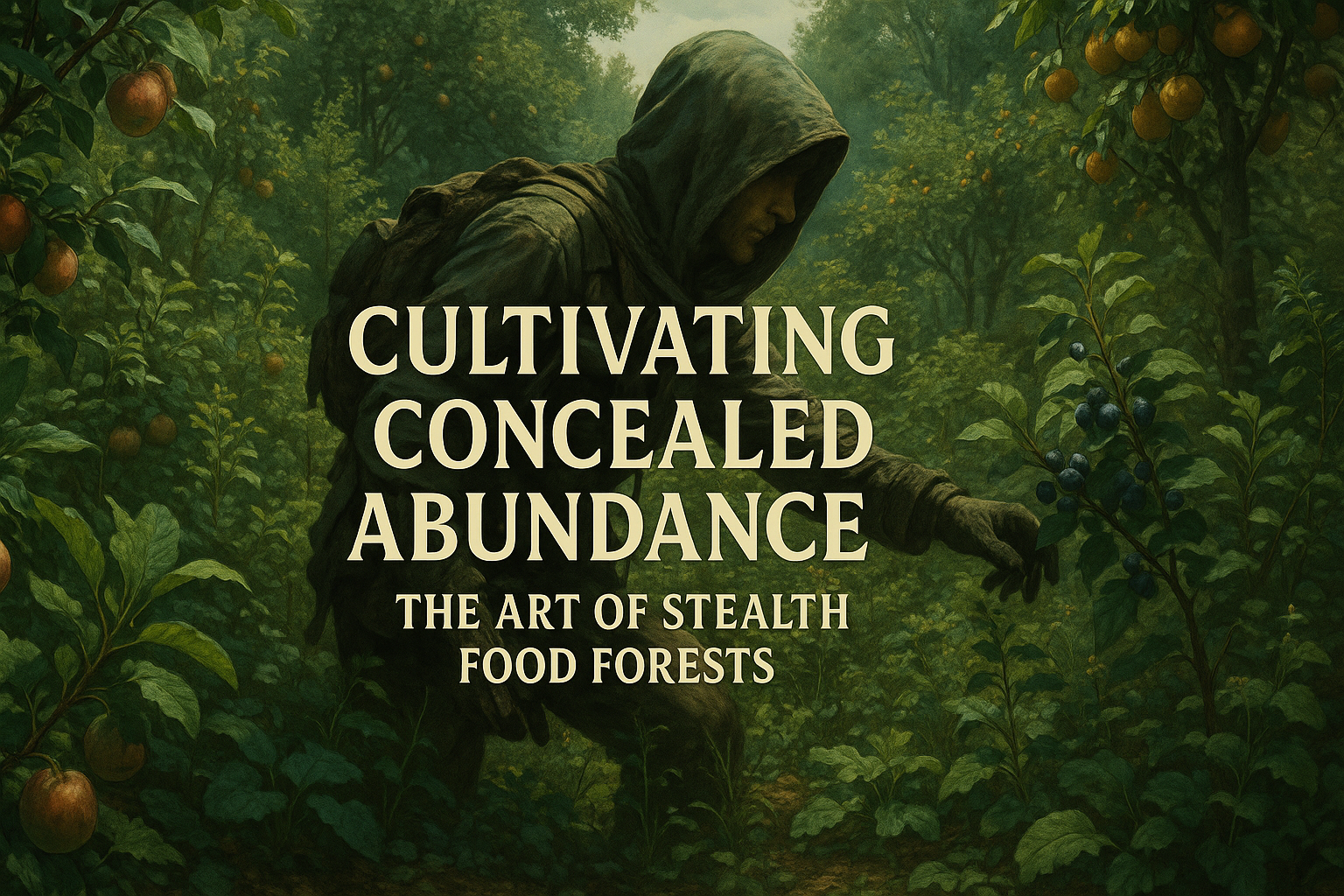
As we emerge from the turbulence of global crises, the fragility of our supply chains has been laid bare. The concept of self-sufficiency has shifted from a niche hobby to a necessary strategy for ensuring the security of our loved ones. Among the many methods of self-reliance, survival gardening has risen to prominence, but with a new twist—an emphasis on concealment and abundance. In this post, we delve into the stealth food forest, a system designed to provide sustenance while blending seamlessly into the natural landscape.
The Basics of a Stealth Food Forest
Understanding the Layers of a Food Forest
In the wild, forests are structured in layers, and a stealth food forest mimics this complexity. The canopy layer, formed by tall trees, offers shade and protection. Below, the understory layer consists of shorter, fruit-bearing trees. The shrub layer adds diversity with berry bushes and similar plants. Beneath that, the herbaceous layer is home to culinary and medicinal herbs. The ground cover layer includes plants that spread horizontally to suppress weeds and retain moisture. Underground, the rhizosphere or root layer teems with edible tubers. Finally, the vertical layer exploits climbers and vines, maximizing the use of space. This multi-tiered approach not only mirrors nature but also maximizes food production.
Essentials of Permaculture Design
Permaculture principles are the foundation of a stealth food forest. It’s about working with nature, not against it. Zoning for efficiency and stealth means placing elements according to how often you’ll need to access them, with the most visited areas closest to your home. Biodiversity is critical—it creates a resilient ecosystem that can withstand pests, diseases, and changing conditions while providing a variety of foods throughout the year.
Choosing the Right Location
Selecting the ideal spot for your food forest is crucial. Assess the available sunlight and shade, as different plants have varying requirements. Scrutinize the soil quality and prepare it to support a diverse range of plant life. Ensure there’s access to water and that the land has adequate drainage to prevent root rot and other moisture-related issues.
Planning Your Stealth Food Forest
Selecting Plants for Discretion and Abundance
Choose plants that blend into the local flora to maintain the stealth aspect of your food forest. Native species are less likely to attract unwanted attention and are better adapted to your region’s climate. Opt for high-yield, low-maintenance crops that provide abundant food with minimal effort. Perennial vegetables and fruits are especially valuable for long-term planning, as they come back year after year.
Integrating Stealth into Garden Design
A successful stealth food forest should look like a natural part of the landscape. Arrange plants in a way that appears organic, utilizing existing landscape features. Avoid straight rows and obvious man-made patterns. This not only conceals your food supply but also encourages beneficial interactions among plants.
Timing and Succession Planting
Stagger your plantings to ensure a continuous harvest throughout the growing season. Take into account seasonal variations and plant accordingly. Employ companion planting to naturally deter pests and promote a healthy, productive garden.
Implementation Strategies
Soil Preparation and Planting Techniques
Embrace no-dig gardening to keep the soil structure intact and minimize surface disturbance. Use mulching and composting to enrich soil fertility. Space your plants strategically—not too close, to avoid competition, and not too far, to maintain the illusion of a natural ecosystem.
Water Management
Develop a system for collecting rainwater and setting up efficient irrigation, such as drip systems or soaker hoses, which minimize water waste. Mulch acts as a moisture retainer, reducing the need for frequent watering.
Pest and Disease Control
Shift towards organic pest management to maintain the health of your food forest. Encourage beneficial insects and animals that act as natural predators to pests. Keep an eye out for signs of disease and address them promptly to prevent spread.
Maintaining Your Food Forest
Regular Tasks and Observations
Prune and thin plants to ensure they remain healthy and productive. Regularly inspect your food forest for pests and diseases. Conduct soil health checks and amend as necessary to maintain a nutrient-rich environment for your plants.
Harvesting and Preserving Your Bounty
Harvest discreetly to maintain the stealth aspect of your food forest. Employ techniques to store and preserve your produce for the off-season. Practice seed saving and propagation to secure your food supply for future planting.
Adapting and Evolving Your Food Forest
Learn from the experience of each season. Make adjustments to improve yields and address any issues that arise. Consider scaling up or diversifying your food forest as you become more comfortable with the process.
Community and Legal Considerations
Building Community Around Stealth Gardening
Discreetly share your knowledge and resources with like-minded individuals. Bartering and trading with neighbors can strengthen community ties and provide access to a wider variety of goods.
Navigating Zoning Laws and HOA Restrictions
Stay informed about local ordinances that could impact your garden. Develop strategies to comply with these regulations while maintaining your stealth food forest.
Conclusion
Survival gardening in the suburbs is no longer just a theoretical exercise—it’s a practical response to the realities of our time. A stealth food forest offers the long-term benefits of food security, ecological harmony, and self-sufficiency. Start small, learn as you go, and expand your capabilities over time. Embrace this approach to not only survive but thrive in whatever the future holds.
Stay ready. Stay dangerous.