You’re sitting there, thinking you’ve got your preps all figured out. You’ve got piles of canned goods and enough ammo to fight off a small army. But let me ask you something: How’s the nutrient density of your survival grub? What’s the point of surviving if you’re barely living, right?
When SHTF, your body is going to be your best asset or your worst liability. That’s why understanding nutrient density in survival situations is not just some health-nut mumbo jumbo; it’s the difference between thriving and just clinging on.
You might have faced the challenges of maintaining nutrient-dense food over time. Maybe you opened up that five-year-old can of beef stew and found a science project instead of dinner. Been there, done that. No one said it was going to be easy.
In high-threat environments, you don’t just walk to the grocery store and restock. This is where food caches come in—strategically placed lifesavers. But they need to be well-thought-out, or they’re just dead weight.
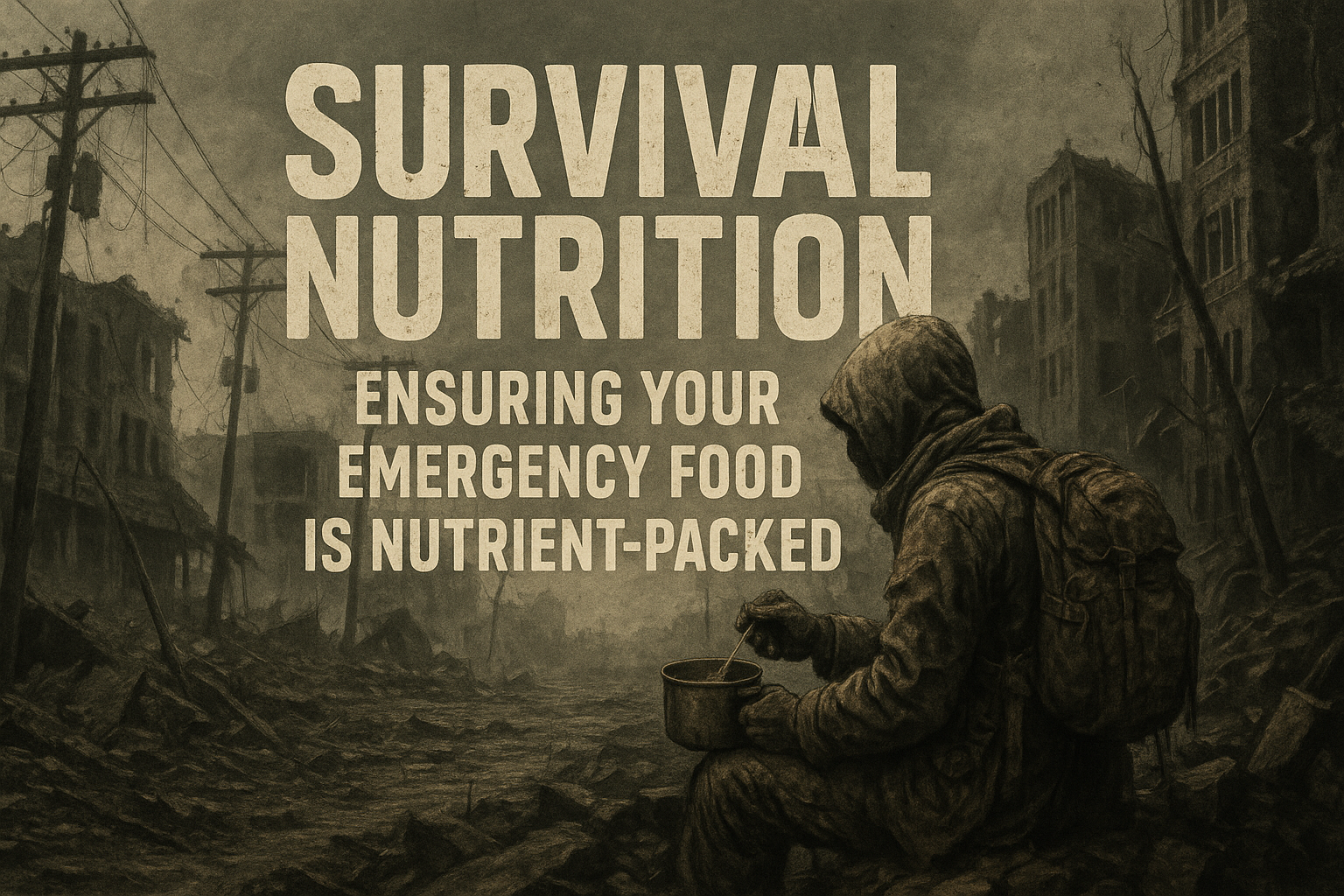
So, what’s nutrient density, and why should you give a damn? It’s all about the bang for your buck, calorie-wise. We’re talking about foods that pack the most nutrients into each bite because when you’re on the move, every ounce counts.
Key nutrients essential for survival? Think:
- Protein for muscle repair.
- Fats for long-term energy.
- Vitamins to keep your system running.
- Minerals like sodium, potassium, and magnesium for all those biochemical fireworks keeping you alive.
Comparing nutrient density in various food types is like comparing a Swiss knife to a plastic spork. Sure, they both cut, but one does a helluva lot more. Your go-to foods should be the Swiss knives—full of vitamins, minerals, and calories. We’re talking nuts, seeds, dried fruits, jerky, and the like.
When you’re selecting the right foods for your cache, there’s a checklist:
- High nutrient value.
- Long shelf life.
- Minimal space.
Top nutrient-dense foods for long-term storage? Look here:
- Dried beans and lentils.
- Freeze-dried meats and vegetables.
- Honey (it’s practically immortal).
- High-quality protein powders.
Foods to avoid? Anything with a high fat content that can go rancid, fluffy nothing foods like chips, and anything with a shelf life shorter than your kid’s attention span.
Preservation techniques? They’re the difference between a gourmet meal and a stomachache. Traditional methods like canning, drying, and smoking have stood the test of time. Modern methods like freeze-drying and vacuum sealing can make your food last longer than some marriages.
But be warned: preservation methods affect nutrient density. Canning can destroy some vitamins. Freeze-drying? Much gentler on the nutrients. Choose wisely.
Storage solutions—this isn’t about stuffing your face; it’s about storing your food so it stays safe and potent. You want containers that are the Fort Knox for your grub.
- Airtight containers are key.
- Keep them in cool, dark places.
- Watch out for moisture like it’s the plague.
Innovative storage methods for high-threat areas? Think buried caches in PVC pipes or false walls in abandoned buildings. Get creative, but never compromise on food safety.
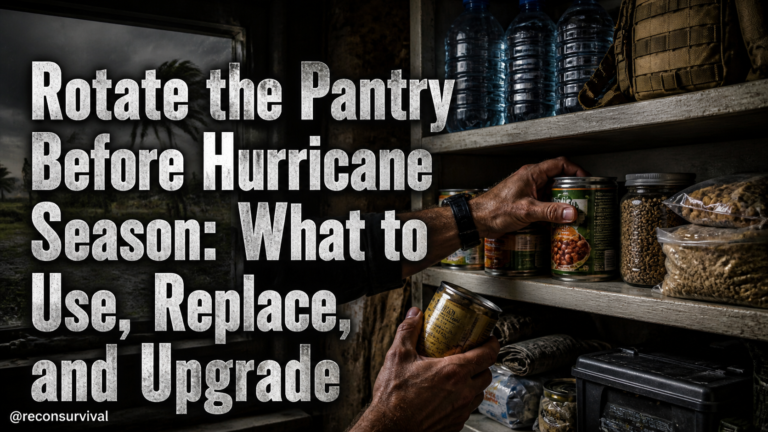
Rotating and maintaining your food cache is like checking the oil in your truck—if you don’t do it, you’re going to end up screwed.
- Schedule periodic checks.
- Toss anything that looks, smells, or tastes off.
- Keep records like you’re the damn IRS.
Leveraging technology? There’s an app for everything, including your food cache. Apps and software can help you keep track of your stash, and gadgets like humidity monitors can give you real-time data on your food’s condition.
The future of nutrient optimization in survival scenarios is about adapting, evolving, and always being one step ahead.
In summary, your food cache needs to be loaded with nutrient-dense foods if you want a fighting chance when things go south. The world’s a chaotic place. Keep learning, keep adapting.
Stay ready. Stay dangerous.