Why This Matters Right Now
Immediate context
Preparedness is no longer a niche hobby. It is a practical response to a reality where power grids strain under extreme weather, supply chains wobble under global pressure, and emergency services face more calls than staff. The pace of disruption has picked up. City heat waves, wildfire smoke drift, flash floods, hard freezes, regional internet outages, and short lived civil unrest are more frequent. Most people ride out minor events. The problem comes when several small failures stack into one major setback at the same time. The antidote is deliberate habit, not panic.
What works in the field is simple, repeatable, and adjustable. It does not require exotic gear or months in the woods. It requires a ready brain, legs that can carry you where you need to go, gear that you know how to run, and a family or team that can communicate when things are loud or dark. This guide focuses on tactics you can actually use in a city block, a small town street, or your own driveway when conditions go sideways.
What most people miss
Most people miss that decisions, not gear, drive outcomes. Gear supports decisions. You rarely choose between good and bad. You choose between two imperfect options under time pressure. That means you need a simple process to sense what is going on, decide fast enough, and move with purpose. Practice is what makes that process real when your hands shake.
Here is the second blind spot. People plan for the last disaster they saw on the news and ignore their own map. Your daily commute, the water mains under your street, the clinic hours in your town, the railroad two blocks over, and your building fire exits form your real threat picture. You do not need to guess. You can walk it, time it, and map it.
Third, many buy gear without reps. If you have not boiled water on your backup stove, changed your own tourniquet practice band, found a leak in your water storage, or used your headlamp to read in a dark closet, you do not own capability. You own a box of promises.
Threat Picture You Can Use
Urban risks
In cities, density multiplies both resources and risk. The same block that gives you a hospital and a grocery also gives you gridlock, broken elevators, and fires that jump floors. Focus on the following risks you can measure and plan for without guesswork.
- Power and water loss. High rise buildings depend on pumps for water pressure. If the power is out you may have water only on lower floors, if at all. Upper floors can become dry and hot or cold. Elevators stop. Stairwells become chokepoints. Test your own building. Find stairs, roof access rules, and door lock behavior.
- Transit failures. Subways and buses stall during storms, heat alerts, or labor actions. A normal thirty minute trip becomes a two hour walk. Plot and walk two separate foot routes from work to home. Time them at a relaxed pace and at a brisk pace. Note water refill spots and safe rest stops.
- Fire and smoke. Cooking fires, transformer fires, and smoke drift from regional wildfires are recurring. Smoke can make air unhealthy for days. Keep a simple respirator with particulate rating in your bag and know building evacuation routes in daylight and darkness.
- Crowd dynamics. Events, protests, or panic around a shortage can form quickly. Your best defense is avoidance through route choice and timing. If you must pass near a crowd, move on the edge, keep your hands free, and avoid fixed barriers where pressure can build.
- Service overload. In a surge, emergency calls queue. Clinics and urgent care run out of appointments. Your job is to handle minor issues yourself and prevent the preventable. This includes water safety, small wound care, and heat and cold management.
Small town risks
Small towns have space and neighborly support, but they also have single points of failure. Understand your dependencies.
- Single source supply. One grocery, one gas station, one pharmacy. A truck delay or a storm can empty shelves for days. Build a pantry that covers your household for two weeks without shopping. Rotate stock during normal life.
- Volunteer response gaps. Fire and emergency medical services may be volunteer and may have limited coverage during work hours or at night. Know your own first aid, have a well stocked kit, and know how long it actually takes for help to arrive on a weekday versus a holiday.
- Weather and roads. Snow, ice, flood zones, and high wind can cut off routes and knock down power lines. Drive all possible detours in clear weather so you know their condition and any low bridges or seasonal closures.
- Communications dead zones. Hills and distance can make cell service patchy. A simple family radio plan with consumer radios can bridge short gaps in a neighborhood. For larger distances, establish time based check in windows through text or email that do not rely on a live back and forth.
- Fire load and defensible space. In dry seasons, grass and brush create a fast fire path to structures. Clear vegetation from around buildings, keep gutters clean, and store wood and fuel away from walls.
Field note. A weekday outage knocked out a small town substation. Phones were up but data died. Card readers and ATMs went dark. The people with fuel, cash on hand, a printed contact list, and a paper map had a normal day. Everyone else waited in lines that went nowhere.
Core Skills That Scale
Observation
Observation is a skill you can train on a sidewalk. Build a repeatable loop. First set a baseline for a place. What is normal noise, normal crowd size, normal traffic flow, normal smells. Then look for anomalies. Something that should be present but is missing, or something new that does not fit the baseline. When you see an anomaly, slow down your decisions just enough to verify, then act.
Use this simple drill with your eyes up and your phone away. Every time you enter a new space, do a five by five scan. Five seconds to sweep near to far. Five seconds to sweep left to right. Identify exits, bottlenecks, and any hazard like wet floors, blocked doors, or sparks and smoke. This is not paranoia. It is the same habit drivers use to read the road.
Practice positive identification of useful resources. In any block, find public water sources, shade or heated spaces, publicly accessible restrooms, exterior stairwells, and buildings with security staff. In any rural area, find windbreaks, culverts that are safe to cross, and high ground out of floodlines. Commit two to three of each to memory per area where you spend time.
For team work, use a short report format. SALUTE is a handy memory anchor. Size. Activity. Location. Unit or group type. Time. Equipment present. In plain words, this sounds like group of four teenagers jogging north on Main at noon with two dogs or smoke from second floor of red brick building at Oak and Third at 1830. Keep it plain and actionable.
Movement
Movement is the delivery system for all your plans. If you can move, you can leave a bad place, reach a good place, and carry resources to others. Tune the basics.
- Route choice. Favor routes with multiple exits and options. Avoid funnels like long fences, dead end alleys, or bridges with no walkways. In a city, parallel side streets often move faster on foot than main avenues. In a small town, farm roads and utility corridors can be legal walking routes. Know the rules and stay within them.
- Time windows. Your best moves happen just before the crowd forms or just after it fades. If a storm is forecast, fuel and shop two days before. If you have to travel during a known disruption, go at first light.
- Cover and concealment. Cover stops a threat. Concealment hides you. In most day to day settings, your goal is not to hide from people but to avoid accidents and avoid being stuck. Use walls and large objects to shield you from vehicles. Use overhangs to shield from rain or falling glass.
- Crossing intersections. Big risks live where paths meet. Make eye contact with drivers. Watch wheels not eyes to confirm a stop. If power is out and signals are dead, expect chaotic behavior. Cross with a group if possible. Keep your pack straps snug so you do not snag mirrors or door handles.
- Stairs and doors. On stairs, keep right, use the rail, do not rush past blind corners. At doors, pause a half step to check the other side. Propted doors or wedged exits may indicate a fire code issue. Choose a different path if it looks unsafe.
- Load carriage. Keep both hands available. Slings, cross body bags, and backpacks should leave your dominant hand free. Overloading slows you more than you think. If an item does not serve a critical need, it does not ride.
Build a realistic foot speed profile. Time yourself over one kilometer on level ground with your normal bag. Then repeat with two flights of stairs, then repeat with a ten minute sustained climb. Record the times. This helps you plan how far you can actually go before dark or before a weather front hits.
Gear That Earns Its Weight
Carry options
Think in concentric circles. What you carry on your body, what you carry in a small bag, and what you stage at home or in a vehicle. Keep each layer simple and focused.
- On body. A small light with a low mode and a high mode. A folding or compact fixed blade tool only if legal and trained. A lighter or ferro rod. A compact pressure bandage and a tourniquet if trained to use it. Nitrile gloves. A small packet of oral rehydration salts. Earplugs for loud events. A simple respirator for smoke and dust. Cash in small bills and a photocopy of key documents.
- In the bag. One to two liters of water or a collapsible bottle and a compact filter. A power bank with charging cables. A hat, neck gaiter, and light gloves for weather management. A rain shell and a thin insulating layer. A second light. A small radio that can receive weather alerts. A notebook and pencil. A compact roll of tape and some cordage. A few high calorie snacks. A larger first aid kit with wound care, blister care, and medications you actually use.
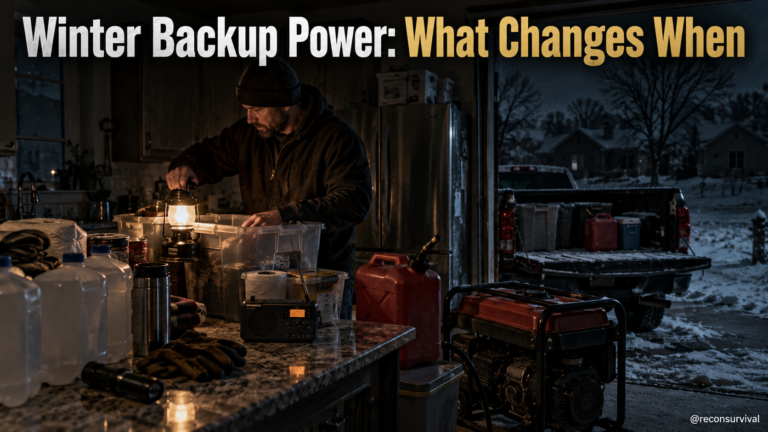
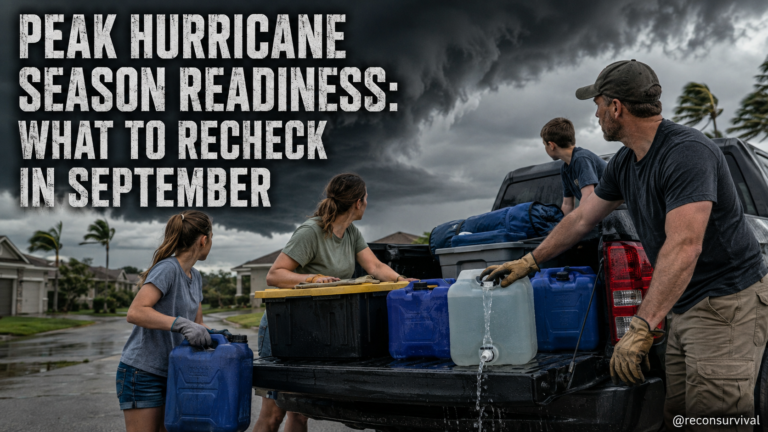
- At home. Stored water at one gallon per person per day for at least a week. A way to boil water when the power is out. A pantry of shelf stable foods you already eat. Spare batteries and a method to recharge them. A larger first aid kit with duplicates. Basic tools and hardware. Fire extinguisher for every floor and one in the kitchen. Carbon monoxide and smoke alarms with fresh batteries.
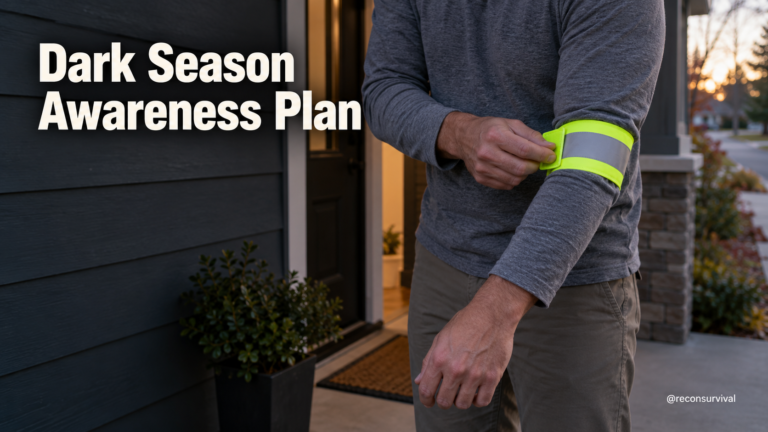
Clothing is gear. Choose layers you can add or shed in a minute, footwear you can walk five miles in, and bright or reflective accents when you need to be seen. Pack a modest visibility option, like a simple reflective band, for roadside movement at night.
Redundancy that makes sense
Redundancy is not doubling everything. It is pairing critical functions with a second method. Use this rule. Anything that prevents immediate harm or solves a frequent problem gets a backup. Everything else gets a backup plan, not a duplicate item.
- Water. Carry some, know where to find more, and have at least two ways to make questionable water safe. Boiling and a filter, or a filter and chemical tabs. Practice each method.
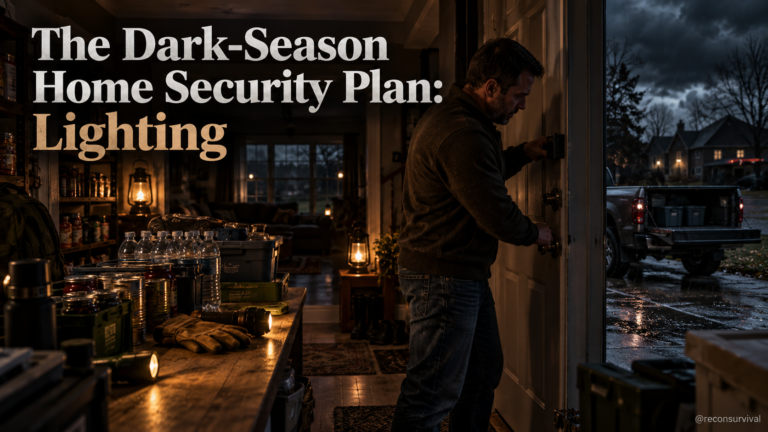
- Light. Two lights with different power sources or different form factors. For example, a headlamp and a compact handheld. Night movement is safer with hands free light and a backup.
- Navigation. Phone map, offline map downloads, and a paper map with a simple baseplate compass. Know how to orient the map with landmarks even if you never touch the compass.
- Power. A power bank and a way to recharge it. Solar trickle panels work when the sun cooperates. In a vehicle, a simple twelve volt charger and a small inverter can support devices. Rotate charging once a week.
- Medical. Duplicate critical supplies like gloves, gauze, and tape. Store a backup of personal medications with your clinician guidance. Set reminders to rotate before expiration.
- Information. Keep vital documents as paper copies and on an encrypted flash drive. Include IDs, insurance, prescriptions, and contact lists. Store one set at home and one with a trusted friend or relative.
Watch for false redundancy. Two cheap items that both fail under stress are not redundancy. One quality item with a second method is better. Also watch for heavy backups that never get used. If your bag is always full and you never touch half of it during drills, trim it.
Field note. A family evacuated during a fast moving wildfire. They grabbed the ready bag and left in under five minutes. At the motel they learned their phone service was spotty. The paper folder with copies of IDs and insurance let them check in and file claims while everyone else waited for email that never arrived.
Training That Sticks
Short reps
Short, frequent practice beats long rare sessions. Ten minutes a day builds real skill. Here are week long cycles that fit into normal life.
- Light and dark. One evening, turn off all lights in a room and run your headlamp or handheld through its modes. Practice moving without blasting your eyes. Read a label. Find a dropped item. Note battery status and swap if needed.
- Water and heat. Boil one liter of water on your backup stove. Time it. Make tea or a simple soup. Monitor ventilation. Then clean and store everything. If you do not have a stove, practice using a thermos bottle to store hot water from your main kettle.
- Navigation and memory. Walk a new route to a familiar place. On the way home, put your phone away. Use landmarks and street names. When back, sketch the route from memory in your notebook. Check against a map.
- Medical basics. Practice applying a pressure bandage to your own arm, then to your leg. Practice with gloves on. Practice opening and using items from your kit with your eyes closed to simulate darkness.
- Communication. Run a family message drill. Send a standard text with your location, status, and next check in time. If a person misses the window, follow the plan to reestablish contact.
- Load and go. Set a timer for five minutes. Pack your bag with essentials, lock your door, reach your vehicle or exit on foot, and start moving toward a rally point. Check your time and friction points. Adjust your setup.
Set one day each month for a longer rep. Drive a secondary route to your work or school area and back. Test your radio range in your neighborhood. Rotate water storage. Swap batteries. Open your home kit and verify every item. Update your contact list.
Stress inoculation
Stress inoculation builds the bridge between practice and performance. You make small controlled stressors a normal part of training so you can act when your heart rate and breathing climb. Keep it safe and scalable.
- Work with a timer. Repeat your short reps with a timer running. The goal is smooth under time, not fast at all costs. If your fingers fumble when the beep sounds, slow down, breathe, and try again.
- Add movement. Do a short stair climb or a brisk walk, then practice a task like using a radio, putting on gloves, or reading a map. Learn how your body feels and how to calm your breath.
- Simulate