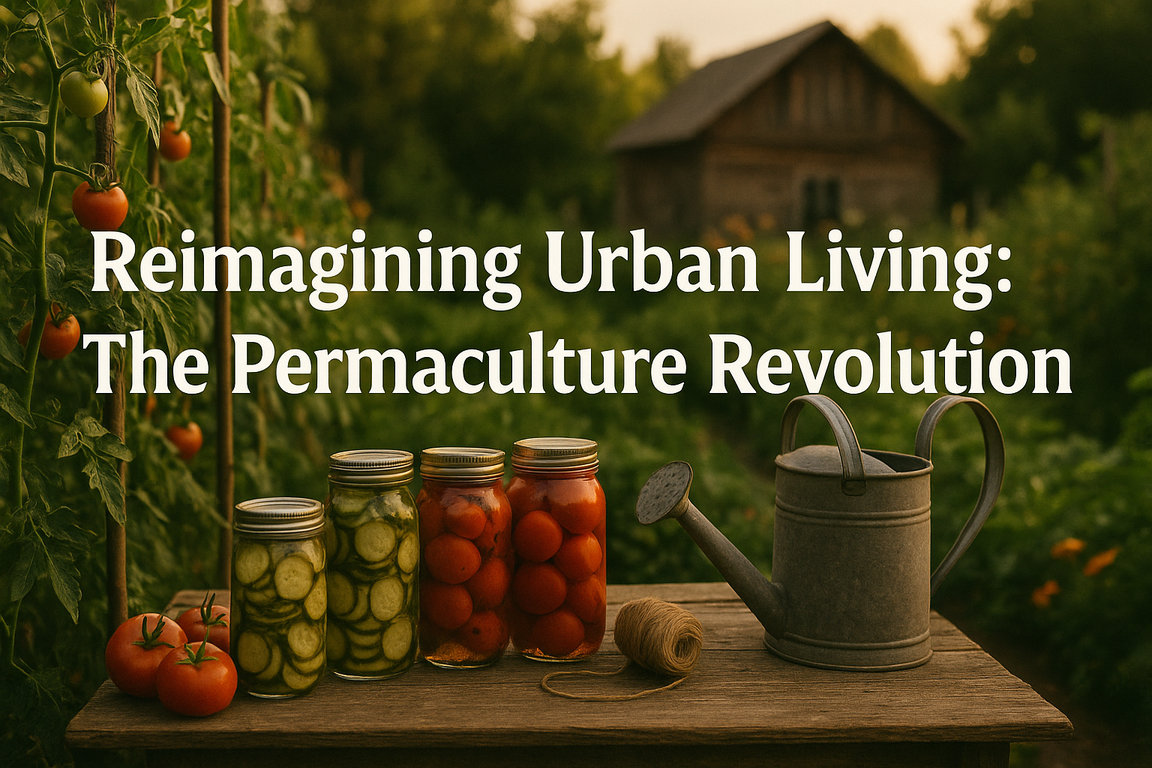
Reimagining Urban Living Through Permaculture
Incorporating permaculture principles into modern urban homesteading is a revolutionary approach to sustainable urban living. It’s about making tangible changes that benefit personal well-being and the broader community. At its core, permaculture involves observing and interacting with nature, even within urban settings. Whether it’s a balcony, backyard, or windowsill, start small and embrace the permaculture ethos of using and valuing renewable resources. Harness rainwater with simple collection systems or install compact solar panels for energy. These minor tweaks contribute to significant savings and self-sufficiency.
Implement vertical gardens to maximize space and provide insulation, reducing heating and cooling costs. Choose native plants that thrive in your local climate, reducing the need for additional water or fertilizer. Companion planting, where certain plants naturally repel pests and improve pollination, can boost yields without chemical interventions. Diversity in your garden encourages resilience, so mix fruits, vegetables, herbs, and flowers to create a thriving ecosystem.
Social permaculture is equally vital. Share resources with neighbors to create a micro-community that swaps homegrown produce, seeds, or knowledge. This reduces waste, creates bonds, and fosters a culture of sharing and reciprocity. Engage in local workshops on permaculture techniques, from composting to beekeeping, to expand your skill set and inspire others to join the movement.
Continuously assess what works and what doesn’t in your evolving urban homestead. Document successes and failures to refine techniques and share insights with the community, contributing to a collective pool of knowledge. By reimagining urban living through permaculture, you transform not just your space but your mindset, leading to a more balanced, harmonious way of life that respects both the environment and the urban community.
Designing Your Urban Homestead Oasis
Transforming a concrete plot into a thriving urban homestead starts with intentional design rooted in permaculture principles. Observe how sunlight, wind, and water interact with your space throughout the day and across seasons. Map out zones for specific functions like growing vegetables, capturing rainwater, or composting. Make every inch of space work double-time. Vertical gardens, for example, are practical in tight quarters and can create microclimates, reducing the urban heat effect.
Diversification fosters resilience. Embrace polyculture and companion planting, which mimic natural ecosystems and promote mutually beneficial relationships between plants. Mix high-yield crops like lettuce with nutrient-demanding plants such as tomatoes for efficient resource use. Incorporate perennials like berry bushes or fruit trees for year-round food security. Practicing crop rotation and integrating nitrogen-fixing plants like legumes can boost soil health, eliminating the need for chemical fertilizers.
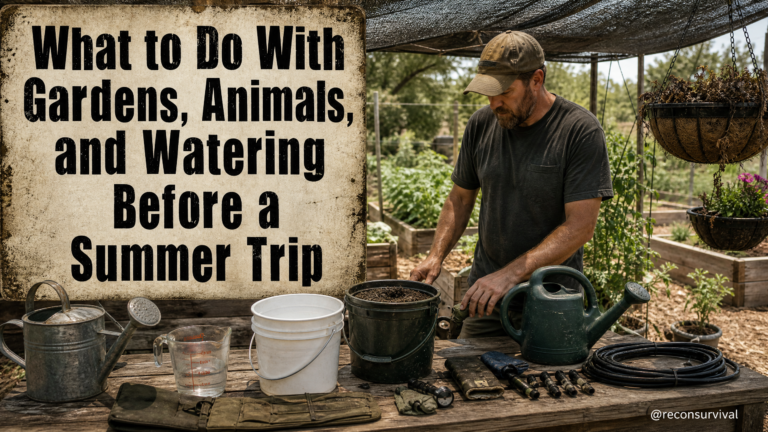
Water management is crucial. Install rain barrels to collect runoff and use drip irrigation systems to ensure efficient hydration. Mulching retains moisture, suppresses weeds, and builds soil structure over time. Consider greywater systems to recycle water from sinks or showers for irrigation, turning waste into a resource while reducing your water footprint.
Use reclaimed materials and upcycled objects to build structures like raised beds and compost bins. Engage your community by sharing surplus produce and forming networks for seed swaps or communal composting efforts. Cultivate a lifestyle that thrives on connection—with nature, with neighbors, and with sustainable principles.
Soil Health: The Foundation of a Thriving Urban Garden
In urban environments, cultivating a productive garden starts with soil health. Healthy soil is the foundation of a thriving garden, fostering a bustling ecosystem. Begin by assessing your soil’s condition. Healthy soil should smell earthy, feel crumbly, and be rich in organic matter. If it lacks these characteristics, start revitalizing it with compost from kitchen scraps. Composting in an urban setting can be as simple as using a small bin on a balcony or a bokashi bucket under your sink.
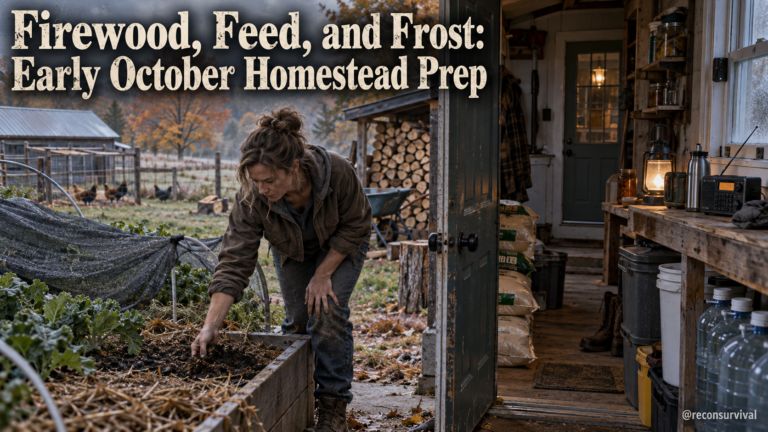
Introduce cover crops like clover or vetch to suppress weeds and naturally fix nitrogen into the soil, boosting fertility. Consider a no-till approach to preserve soil structure and symbiotic relationships between plants and microorganisms. Mulching with straw, leaves, or wood chips conserves moisture, regulates temperature, and prevents erosion. Over time, mulch breaks down and adds organic matter back into the soil.
Grow a variety of plants to mimic natural ecosystems. Companion planting, such as planting garlic near roses or marigolds alongside tomatoes, can naturally deter pests and encourage beneficial insects. Developing soil health in an urban setting is a continuous relationship. Treat soil like the living organism it is, and it will reward you with bountiful harvests and vibrant flowers.
Vertical Gardening and Space Optimization
Master the art of vertical gardening and space optimization to embrace modern urban homesteading. Transform any available vertical surface into a productive garden. Use sturdy, wall-mounted planters or repurpose old wooden pallets for a rustic appeal. For those with limited wall space, consider stackable planter towers or hanging garden systems.
Optimize every layer of your vertical garden with diverse plant choices. Fast-growing herbs like basil and mint thrive in upper levels, enjoying full sun exposure. Shade-tolerant greens like lettuce and spinach are suited to lower tiers. Vertical gardening improves air circulation, reduces pest infestations, and increases plant health and productivity. Incorporate companion planting techniques, such as pairing tomatoes with basil to enhance growth and flavor.
Container gardening on balconies or rooftops can create microclimates. Position taller plants as natural windbreaks or use reflective surfaces to amplify sunlight. Reuse materials like old buckets or broken pots as containers, and irrigate wisely with drip systems or self-watering planters. Effective space optimization reflects a commitment to sustainable living, producing more with less and contributing to a greener world.
Integrating Livestock into Urban Homesteads
Integrating livestock into urban homesteads can enhance sustainability and productivity. Start by assessing local regulations and considering smaller livestock like chickens, rabbits, or bees. Chickens provide eggs, natural pest control, and rich manure for composting. Rabbits offer a compact protein source and droppings that enrich soil without composting. Bees boost pollination for urban gardens and provide honey and beeswax.
Optimize space with multi-tiered chicken coops or vertical rabbit hutches. Ensure animal housing is secure, weatherproof, and easy to clean. Implement rotational grazing to prevent overgrazing and allow vegetation to regenerate. Noise and odor management are crucial in urban environments, so select quieter breeds and manage waste meticulously. Composting animal waste recycles nutrients and closes resource loops.
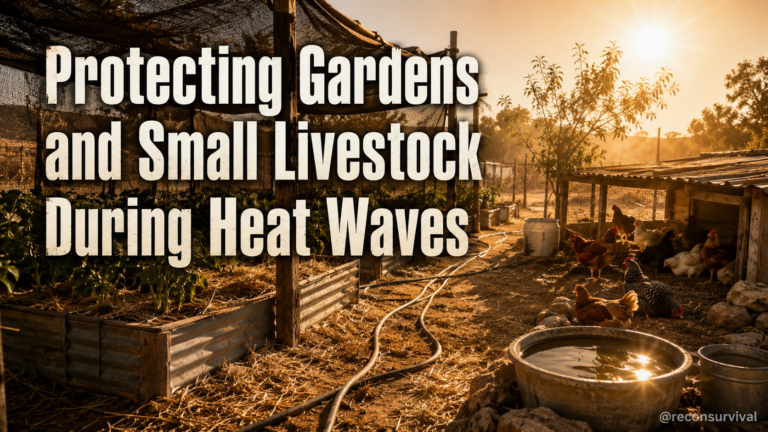
Integrate animals into garden systems: use chickens to till soil and reduce weeds, or allow rabbits to graze on specific garden areas, enhancing soil fertility. A commitment to daily care and observation fosters a deeper understanding of animal behaviors and their roles within the urban ecosystem, creating a self-sustaining cycle that benefits both the homesteader and the community.
Renewable Energy and Resource Efficiency
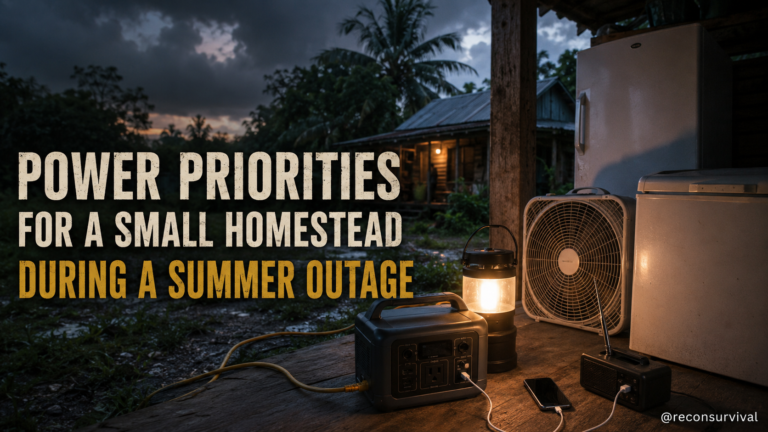
Embracing renewable energy and optimizing resource efficiency are essential actions for resilient, self-sufficient urban homesteads. Solar panels offer an accessible entry point for harnessing the sun’s energy, reducing reliance on grid electricity and lowering energy bills. Monitor energy consumption patterns and continually seek ways to reduce demand for maximum efficiency.
Small-scale wind turbines and micro-hydro systems can complement solar power, depending on the local environment. Efficient energy use extends into passive design—strategically planting trees for shade, employing thermal mass materials, and using skylights and reflective surfaces to reduce artificial lighting and heating needs.
Rainwater harvesting and greywater systems are indispensable tools. Installing rain barrels or more sophisticated systems provides a sustainable water source for your garden. Reusing greywater for irrigation conserves water and enriches the soil with nutrients. Prioritize a circular approach with materials, implementing composting strategies and aiming to repair, repurpose, or upcycle rather than discard.
Embracing renewable energy and resource efficiency fosters innovation and self-reliance. It’s about harnessing natural forces and making every ray of sunlight and drop of water count toward a sustainable future.
Community Engagement and Education
Incorporating permaculture principles into urban homesteading involves engaging with the community and fostering a collective shift towards sustainable living. Connect with local permaculture groups or urban farming communities to share resources, knowledge, and labor. Host workshops or “permablitz” events to implement permaculture designs and strengthen community bonds.
Use your urban homestead as a living classroom. Offer guided tours during community events, explaining how each element contributes to a sustainable ecosystem. Develop mentorship programs for aspiring urban homesteaders and encourage educational institutions to visit for field trips, planting seeds of environmental consciousness.
Engage with local policymakers to advocate for urban agriculture-friendly policies. Champion initiatives like community gardens, composting programs, and the use of public spaces for urban agriculture. Utilize digital platforms to share your journey and successes, inspiring a broader audience and leading a grassroots movement towards a sustainable urban future.
Overcoming Challenges and Embracing Innovation
Urban homesteading presents unique challenges, but innovation can turn these into opportunities. Space constraints are a major hurdle, but vertical gardening can create lush, productive gardens without needing a sprawling backyard. Aquaponics systems combine fish farming with plant cultivation, providing fresh produce and protein using minimal space.
Soil quality is often poor in urban settings. Composting kitchen scraps and yard waste enriches soil. Vermiculture, or worm farming, efficiently turns organic waste into potent plant food. Raised garden beds and high-quality soil mixes can jumpstart urban farms into thriving ecosystems.
Diverse and erratic city climates demand resilience and adaptability. Implement microclimates to buffer plants against harsh conditions. Structures like cold frames, greenhouses, and cloches extend growing seasons and protect plants. Water management is critical in cities with runoff and water shortages. Rainwater harvesting systems, swales, and drip irrigation ensure efficient water use.
Community engagement transforms challenges into resources. Connect with local urban farming groups, join seed libraries, and participate in co-op tool shares to pool resources and knowledge. Involve neighbors by trading produce or hosting workshops. Together, we can create greener cities.