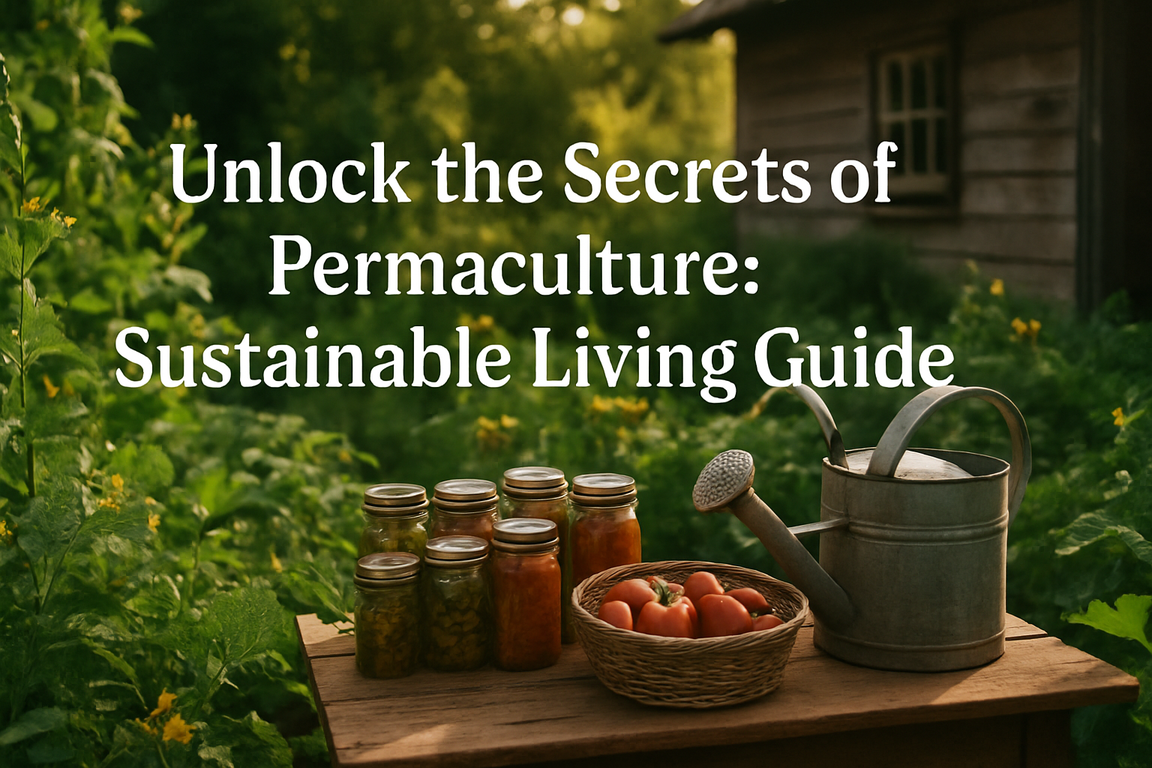
Unlocking the Secrets of Permaculture: A Path to Sustainable Living
Permaculture is about creating a harmonious ecosystem requiring minimal intervention while maximizing the yield and health of your homestead. This isn’t just environmental philosophy; it’s a practical blueprint for sustainable living. Begin by observing your land—notice natural patterns, the sun’s path, water flow, and native species. Observation is key; it gives insights into how you can work with nature rather than against it. Use swales—shallow, broad channels on contour—to manage water runoff and promote deep irrigation, turning every rainfall into an opportunity for hydration rather than erosion.
Embrace diversity by planting a mix of species that support each other, known as polyculture. A diverse mix can create a microclimate that fosters growth and resilience. Incorporate nitrogen-fixing plants like clover or beans, which naturally replenish soil fertility. Layer these with a canopy of fruit trees and an understory of shrubs and herbs, mimicking a forest ecosystem. This approach maximizes space and supports a thriving community of beneficial insects and wildlife. A healthy ecosystem is self-regulating, reducing the need for chemical interventions.
Energy conservation is another pillar of permaculture. Focus on creating closed-loop systems where outputs become inputs. Compost kitchen scraps and yard waste to enrich your soil; capture rainwater in barrels to reduce reliance on municipal water; and utilize solar energy to power your homestead, reducing your carbon footprint. Each of these steps builds a more resilient and sustainable system, turning your landscape into a self-sustaining ecosystem.
Maximize each ecological niche. Plant shade-loving vegetables like lettuce and spinach under taller crops that offer shelter, or grow climbing plants like beans up corn stalks. This vertical integration maximizes your space and ensures you get the most out of every square foot. By blending observation with thoughtful design and a commitment to natural principles, you can transform your land into a self-sustaining ecosystem. Permaculture is not just about sustainable agriculture; it’s about creating a sustainable life.
Mapping Your Ecosystem: Site Analysis and Assessment
Start your homestead journey with detailed site analysis and assessment. This isn’t just about drawing lines on a map; it’s about understanding the essence of your land. Walk your landscape, observe, and listen. Note elevation changes that influence water flow and soil drainage. Identify existing vegetation and wildlife to understand soil quality and microclimates. Track the sun’s path to dictate where to plant sun-loving and shade-loving crops. Wind patterns, too, must be noted to inform windbreak placements and structure orientations for energy efficiency.
Take a soil test—non-negotiable if you plan to grow anything. Understanding soil composition, pH levels, and nutrient content will guide you in amending and enriching your soil for optimal plant health. Sketch a base map of your site, marking out these observations and any permanent structures. Layer additional information from your observations and research. Consider seasonal changes—how does water behave in the rainy season? Where does snow linger in the winter? Such insights are vital for water management strategies and anticipating challenges throughout the year.
Align your design plan with permaculture principles of care for the earth, care for people, and fair share. Think of your homestead as a system where each element serves multiple functions. For example, a pond can be a habitat for fish, a water source for irrigation, a thermal mass to moderate climate, and a reflective surface to increase light to nearby plants. Plan your zones with efficiency in mind—place frequently used elements near your home for easy access, and situate less demanding components farther out. This holistic approach ensures energy conservation and maximizes productivity.
Mapping your ecosystem isn’t a one-time task but a continuous process of interaction and adaptation. As you implement your design, remain open to observing and responding to the land’s feedback. In this way, your homestead becomes a living, evolving entity that grows not only food and resources but also resilience and knowledge over time. Each decision made from this informed analysis strengthens the self-sustaining capabilities of your homestead.
Designing Guilds and Polycultures: Working with Nature’s Patterns
Designing guilds and polycultures aligns with nature’s wisdom to foster thriving, self-sustaining ecosystems. Picture a harmonious community of plants, animals, and microorganisms, each performing a unique role, all working together to boost productivity and health. To start crafting your guilds, observe natural patterns in your region. Mimic these relationships, ensuring diversity in function and form. A classic permaculture guild might center around a fruit tree, supplemented by nitrogen-fixing plants like clover, deep-rooted species such as comfrey, and pollinator attractors like yarrow or lavender. These guilds enrich the soil and create a multi-layered habitat that promotes resilience against pests and diseases.
When developing polycultures, think of it as composing a symphony where each note (or plant) enhances the overall melody of growth. Instead of neat rows of monocultures, interplant fast-growing crops like radishes with slower-to-mature veggies like carrots and onions. This staggered planting reduces competition for resources and opens up opportunities for continued harvests. Diversity is the keystone—aim for a mix of annuals and perennials, tap-rooted and fibrous plants, and flowering and fruiting species. This mosaic of life forms creates a robust ecosystem that can withstand environmental stressors.
Be observant, adaptive, and patient. Not every combination will work in your context, so be prepared to tweak your arrangements. Watch how your gardens respond through the seasons and adjust as needed. Nature takes time to reveal her secrets, and your role as a steward is to listen and learn. Document what works and what doesn’t, and don’t shy away from trying unusual plant combinations. Over time, you’ll develop an intuitive sense of which species naturally support one another, forging a resilient homestead ecosystem that thrives on cooperation rather than competition. By designing guilds and polycultures thoughtfully, you’re nurturing a living tapestry that embodies the principles of permaculture—earth care, people care, and fair share.
Water Management: Harnessing and Conserving Water Resources
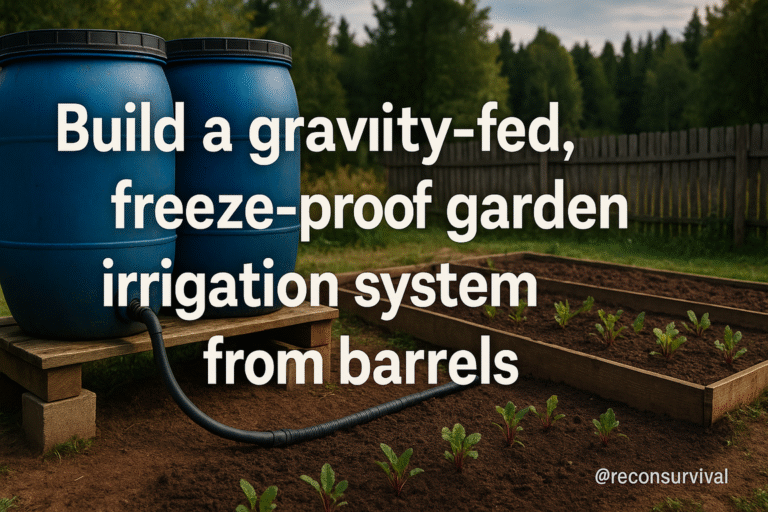
Water is the lifeblood of any homestead, especially when striving to create a self-sustaining ecosystem. Effective water management isn’t just about ensuring survival; it’s about thriving and unlocking your land’s full potential. Start by examining your existing water resources—whether that’s rainfall, a nearby stream, or a groundwater well—and consider how you can harness and conserve these vital assets. One effective strategy is rainwater harvesting. Installing a rainwater catchment system can be as simple as positioning barrels underneath your downspouts or as complex as setting up interlinked tanks with filtration systems. This not only supplies additional water but also reduces runoff, which can lead to erosion.
Consider your land’s topography to implement swales or keyline design, techniques that slow down water flow and encourage infiltration into the soil. Swales are shallow ditches dug along the contour of the land that capture runoff, allowing it to percolate into the earth, replenishing groundwater and maintaining soil moisture. When creating swales, use an A-frame level or laser level to ensure accuracy and effectiveness. Keyline design takes this concept further by focusing on maximizing water distribution across a landscape, particularly in areas where water naturally collects and flows.
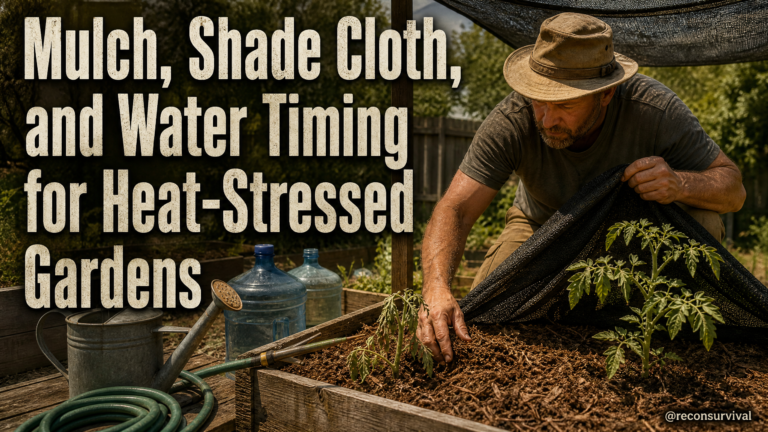
Integrate mulch and ground cover into your land management practices to conserve moisture and reduce evaporation. Organic mulches such as straw, wood chips, or leaf litter not only retain water but also improve soil health over time. For a more permanent solution, plant ground covers like clover or creeping thyme, which spread quickly and provide a green mulch effect, enhancing biodiversity and habitat complexity. This not only keeps your soil moist but also supports beneficial insects and microorganisms.
Don’t forget about greywater systems. By diverting water from sinks, showers, and washing machines, you can irrigate your landscape without additional water waste. Ensure biodegradable soaps and detergents are used, and be mindful of local regulations when setting up a greywater system. Combining greywater with a constructed wetland can further purify the water and create a thriving habitat for native plants and wildlife.
Water management in permaculture is a multifaceted approach requiring strategic planning and ongoing adaptation. Monitor your systems, observe changes, and be prepared to tweak your designs as necessary. With thoughtful water management, your homestead will not only become more self-sustaining but also serve as a resilient sanctuary against ever-changing climate conditions.
Soil Health: The Foundation of a Thriving Ecosystem
Soil health is the bedrock of any successful permaculture project, serving as the foundation of a thriving ecosystem. Healthy soil translates into robust plants, abundant yields, and a dynamic cycle of life and decay that sustains itself. The magic begins with understanding and nurturing the soil’s complex web of life — its innumerable microbes, fungi, worms, and organic matter that underpin every facet of your homestead’s vitality. Focus on building organic matter through continuous cover cropping, mulching, and composting. These practices suppress weeds and feed the microorganisms that break down organic matter into nutrients accessible to plants. Diversity is key: rotate crops, introduce nitrogen-fixers like clover or vetch, and use deep-rooted plants like comfrey to mine subsoil minerals.
Get gritty with your soil management by testing your soil annually. Knowing your soil’s pH and nutrient profile helps you make informed decisions about amendments. It’s not just about adding compost or manure; sometimes, your soil may need lime to correct acidity or rock dust to remineralize and replenish what’s been lost over time. However, the goal isn’t to create a dependency on external inputs. Instead, aim to close the loop by using what your land produces. For instance, a successful permaculture system efficiently recycles its waste — think of kitchen scraps heading to the compost pile or chicken manure enriching your veg patch.
Water management is another crucial component of soil health. Poor drainage can lead to waterlogged, anaerobic conditions, whereas too little water results in dry, lifeless soil. Implement swales, mulched paths, and keyline designs to maximize water retention and minimize erosion. As you build your soil’s structure, it becomes a more effective sponge, absorbing and holding onto moisture supplies. Lastly, don’t overlook the less tangible aspect of soil health: patience and observation. Soil building is a gradual process, requiring time and careful observation. Tune into the subtle changes — the emergence of earthworms, the crumbly texture, the rich, earthy smell — as indicators of your progress. By focusing on these foundational elements, you’ll cultivate not just soil, but a resilient, self-sustaining ecosystem that supports all forms of life on your homestead.
Integrating Animals: Livestock as a Vital Component of the Homestead
Integrating animals into your homestead ecosystem isn’t just about the charm they add or the fresh eggs and milk they provide. Livestock can be a driving force in creating a self-sustaining environment, functioning as both contributors and beneficiaries within the permaculture design. When considering animals for your homestead, think of them as essential workers of your system, each with a role that supports and enhances the health of the ecosystem. Chickens, for example, are natural pest controllers and fertilizer producers. By allowing them to range through your gardens, they can naturally eliminate insects while turning the soil and providing nutrient-rich manure. This, in turn, can reduce your reliance on chemical inputs and mechanical tilling, fostering a more organic garden.
Goats and cows offer more than just dairy possibilities; they can be allies in land management. Grazing them strategically can help manage weeds and stimulate new growth, leading to healthier pastures. Their grazing patterns, if managed correctly, can mimic natural wild herds, preventing overgrazing and promoting biodiversity. A rotational grazing system can enhance soil fertility and structure, ultimately leading to increased productivity of your land. Moreover, these animals can also provide valuable by-products such as leather and fiber, enhancing your homestead’s self-sufficiency.
Consider bees, too, as a crucial component of your ecosystem. Beekeeping not only yields honey and beeswax but also plays a significant role in the pollination of your food crops, boosting yields and supporting biodiversity. Bees help maintain plant populations by ensuring cross-pollination, which is vital for the genetic diversity of plants. Keeping hives within your landscape encourages a vibrant, productive garden and helps balance the local ecosystem.
Remember, integrating animals into your homestead demands careful planning. Understand each species’ needs and natural behaviors to design spaces that promote health and productivity. Consider factors like housing, space for movement, and access to fresh water. Design your homestead layout to facilitate easy rotation, waste management, and integration with other homestead functions such as composting. It’s about creating symbiotic relationships where livestock not only meets human needs but also contributes to the land’s regeneration. By adopting these practices, you’re building a resilient system where every element supports the others, turning your homestead into a thriving, self-sustaining ecosystem.
Embracing Renewable Energy: Powering Your Homestead Sustainably
Transitioning to renewable energy sources like solar, wind, and biomass can significantly reduce your dependency on fossil fuels, thereby lowering your carbon footprint. Start by conducting a comprehensive energy audit to understand your current energy consumption and identify areas where you can conserve energy. This step is crucial, as it helps in sizing your renewable energy systems accurately. Once you’ve established your needs, install solar panels to harness the abundant energy from the sun. Position them strategically to maximize their exposure and ensure they are free from shade throughout the day. Pairing your solar system with a battery storage solution can provide electricity even when the sun isn’t shining.
Wind energy is another viable option, especially if you live in an area with consistent winds. Small-scale wind turbines can complement your solar system, providing power on overcast days. Evaluate the wind patterns on your property and consult with a professional to determine the best type and placement for your turbines. Additionally, consider integrating a biomass system by utilizing organic waste from your homestead. This not only helps in waste management but also generates biogas for heating and cooking, providing a dual benefit of waste reduction and energy production.
To enhance the efficiency of these systems, invest in energy-efficient appliances and lighting. Swap out incandescent bulbs for LEDs, and opt for appliances with high Energy Star ratings. These small changes can drastically reduce your energy needs, allowing your renewable systems to cover a larger portion of your consumption. It is also crucial to involve your family or housemates in energy-saving practices. Simple habits like turning off lights when leaving a room or using a clothesline instead of a dryer can make a significant difference.
By integrating these renewable energy strategies, you can create a resilient and self-reliant energy system for your homestead. Not only will this reduce your environmental impact, but it will also protect you from the volatility of energy markets, offering both ecological and economic benefits. With patience, research, and a bit of hands-on effort, your homestead can become a shining example of sustainable living, inspiring others to follow suit in the journey towards a more sustainable future.
Beyond the Basics: Advanced Permaculture Techniques
In the world of permaculture, mastering the basics is just the beginning. To elevate your homestead’s ecosystem to a self-sustaining marvel, it’s time to delve into advanced techniques that push the boundaries of traditional practices. Start with the concept of agroforestry—an approach that mimics natural ecosystems by integrating trees and shrubs into your land use. In this setup, trees not only produce fruits and nuts but also create microclimates that shelter crops, improve soil health, and enhance biodiversity. Select tree species that work symbiotically with your soil and climate, and remember, diversity is your ally. Incorporate nitrogen-fixing plants like alder or black locust to naturally enrich the soil.
Next, let’s talk guilds. The art of companion planting is elevated in permaculture with the use of guilds—strategic plant groupings that support each other. For example, consider the “three sisters” guild of corn, beans, and squash. The tall corn serves as a natural trellis for the beans, which, in turn, fix nitrogen in the soil, while the squash spreads out to suppress weeds and retain moisture. Beyond traditional row planting, arranging these plants in a polyculture system can lead to a more resilient garden that stands strong against pests and diseases.
Water management takes a sophisticated twist with keyline design, an advanced form of contour plowing specifically designed for water retention and soil enhancement. By identifying the natural contours of your land and understanding the flow of water, you can dig strategically placed swales or channels that slow down water runoff, effectively distributing moisture and increasing groundwater recharge. This technique not only combats erosion but also optimizes water capture without the need for traditional irrigation systems.
To further insulate your homestead ecosystem from external shocks, consider incorporating animal integration. It’s not just about adding livestock but strategically aligning them with crop rotations to create a symbiotic relationship. Chickens can be rotated through pastures to control pest populations and fertilize the soil naturally. Likewise, incorporating ducks into your system can provide pest control in ponds, as they forage for snails and weeds.
Lastly, advanced permaculture isn’t complete without energy management. Embrace renewable energy sources like solar and wind not just for sustainability but as an integral part of your ecosystem. Solar panels provide a clean energy source while offering some shade and shelter for sensitive plants. The key is to think holistically: every element on your homestead should serve multiple functions, creating not just a self-sustaining system but a thriving, interconnected community of life.