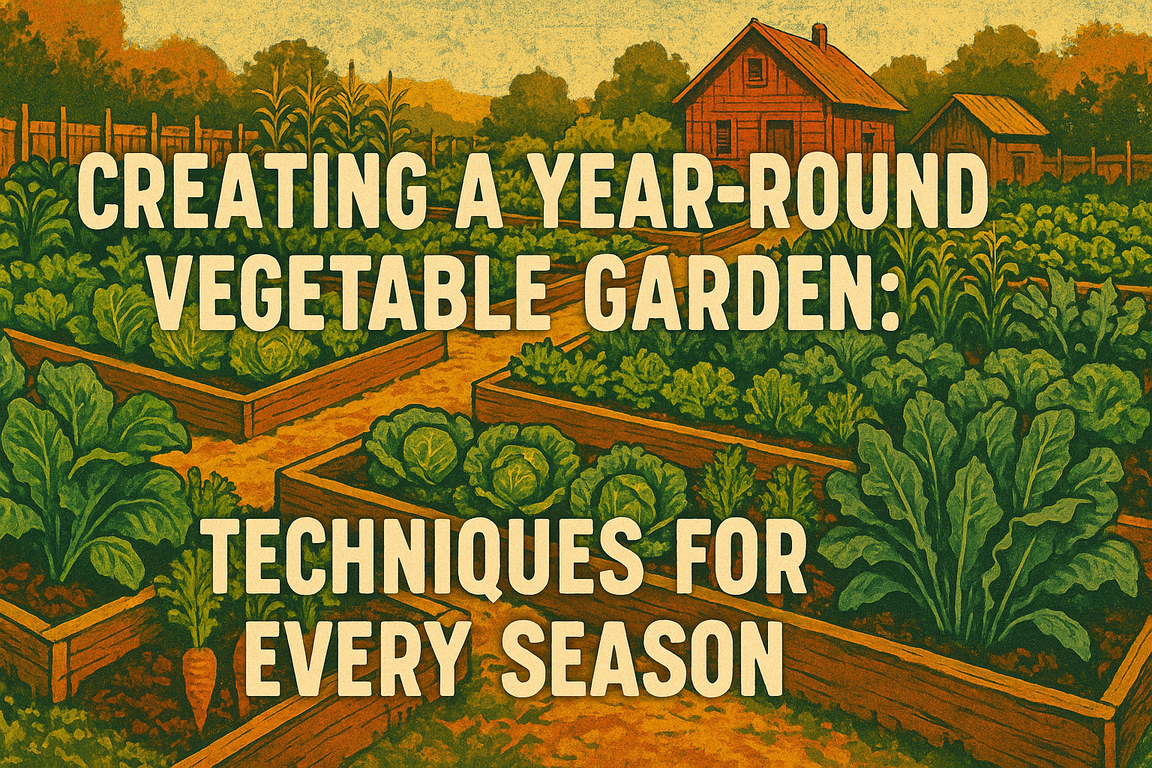
Imagine standing in your backyard, the sun warm on your skin, as you pluck a ripe tomato straight from the vine. The taste is unparalleled—sweet, juicy, and bursting with flavor, a far cry from anything found in a grocery store. Now, picture that same scene unfolding not just in the summer, but throughout the year. What if I told you that with the right techniques, you could cultivate a thriving vegetable garden that yields fresh produce in every season?
As an experienced gardener, I’ve spent years experimenting with various methods to extend the growing season, and I can assure you that the rewards are worth the effort. From clever crop rotations to innovative techniques like succession planting and season extension, there’s a wealth of strategies available to ensure your garden is productive year-round.
In this guide, we will delve into the intricacies of creating a vegetable garden that thrives in every season. You’ll learn about the best vegetables for each time of year and how to manage your soil, water, and pests effectively. We’ll explore the art of companion planting and how to optimize your garden layout for maximum yield.
Whether you’re a seasoned gardener looking to refine your skills or someone eager to dive into the world of year-round cultivation, this article will equip you with practical tips and insights. Join me on this journey to transform your gardening experience and enjoy the fruits of your labor in every season. The bounty of your backyard awaits!
Understanding Your Growing Zone: The Foundation of Year-Round Gardening
Imagine standing in your backyard, surrounded by neatly arranged garden beds, brimming with vibrant greens and colorful vegetables, all thriving in their respective seasons. You’ve invested time and effort into this year-round vegetable garden, but what if I told you that the foundation of this lush paradise lies in understanding your growing zone? Knowing your growing zone is not just a step in the gardening process; it’s the cornerstone upon which your entire garden thrives.
What is a Growing Zone?
A growing zone, often referred to as a hardiness zone, is a geographic area that determines which plants are most likely to thrive based on average annual minimum temperatures. The U.S. Department of Agriculture (USDA) divides the country into 13 zones, ranging from Zone 1 (the coldest) to Zone 13 (the warmest). Each zone is further divided into sub-zones (like 5a, 5b) to provide even more specificity. For example, if you’re in Zone 6b, you can expect winter temperatures to fall between -5°F and 0°F, which influences your planting decisions significantly.
Why Understanding Your Growing Zone Matters
Understanding your growing zone is crucial because it directly affects your planting schedule, the types of vegetables you can grow, and their chances of survival through the seasons. For instance, if you plant a tender crop like tomatoes in Zone 3, where the growing season is short, you risk losing them to frost before they can mature. Conversely, knowing your zone allows you to select varieties that are well-suited to your climate, enhancing your chances for a bountiful harvest.
Choosing the Right Vegetables
Once you’ve identified your growing zone, the next step is to choose vegetables that thrive in your specific conditions. Each vegetable has its own temperature preferences and growing season length. For instance:
- Zone 5: You can successfully grow cool-season crops like kale and spinach in early spring and switch to warm-season crops like peppers and tomatoes as the temperatures rise.
- Zone 8: Here, you can experiment with a wider range of vegetables, including okra and sweet potatoes, which thrive in warmer conditions.
Common Mistakes to Avoid
One of the most common mistakes gardeners make is not accounting for microclimates within their own yards. A south-facing slope might warm up faster than a shaded area, allowing you to plant earlier in one part of your yard than another. Always observe your garden throughout the day to identify these nuances.
Another pitfall is relying solely on the last frost date for planting decisions. While knowing this date is important, it’s equally vital to consider the first frost date in the fall when planning your late-season crops.
Troubleshooting Tips
If you find that your plants are struggling despite following the guidelines for your growing zone, consider these troubleshooting tips:
- Soil Quality: Ensure your soil has the right pH and nutrient levels for the plants you’ve chosen. Conduct a soil test to identify any deficiencies.
- Watering Practices: Over or under-watering can severely impact plant health. Aim for consistent moisture, especially during key growth stages.
Key Takeaways
Understanding your growing zone is the first step toward creating a successful year-round vegetable garden. By choosing the right vegetables for your climate, recognizing microclimates, and avoiding common pitfalls, you set a solid foundation for your gardening efforts.
As you move forward, take the time to familiarize yourself with the specific needs of your chosen vegetables and the unique characteristics of your space. Next, we’ll delve into preparing your garden beds for planting, ensuring they’re ready to support your thriving vegetable haven.
Seasonal Planting Strategies: Timing Your Crops for Success
Imagine it’s early spring, and you’re standing in your backyard, a warm breeze brushing against your face. The ground, still moist from the winter thaw, beckons you to plant your first seeds of the year. This moment is crucial; timing your crops correctly can mean the difference between a bountiful harvest and a lackluster yield. Understanding seasonal planting strategies will empower you to maximize your vegetable garden’s productivity throughout the year.
Understanding Your Growing Zone
Before you rush to sow seeds, familiarize yourself with your USDA Plant Hardiness Zone. This classification system, which ranges from Zone 1 (coldest) to Zone 13 (warmest), informs you about the average minimum temperatures in your area. Knowing your zone helps in selecting the right crops and understanding their optimal planting times.
For example, if you live in Zone 6, your last frost date might fall around mid-April. This means you can safely plant cool-season crops like peas and lettuce as early as late March. Conversely, if you’re in Zone 9, you can start planting warm-season crops like tomatoes and peppers as early as late February.
Timing Your Crops
Successful vegetable gardening hinges on understanding the timing of each crop. Here’s a breakdown of how to approach planting throughout the year:
Cool-Season Crops: These include greens (spinach, kale), roots (carrots, radishes), and legumes (peas). Plant these in early spring or late summer for a fall harvest. For instance, sow spinach seeds about ½ inch deep when soil temperatures reach 40°F. They thrive in cooler temperatures, making them perfect for early planting.
Warm-Season Crops: These require warmer soil and air temperatures. Crops like tomatoes, peppers, and beans should be planted after the last frost. A good rule of thumb is to wait until soil temperatures reach at least 60°F. You can use a soil thermometer to check this, ensuring optimal germination.
Succession Planting: This technique involves planting crops at intervals to ensure a continuous harvest. For instance, sow radishes every two weeks from early spring until mid-summer. This staggered planting keeps your garden productive and reduces the risk of a sudden crop surplus or shortage.
Common Mistakes and Troubleshooting Tips
Even seasoned gardeners can fall into traps when it comes to timing their crops. Here are a few common pitfalls to avoid:
-
Ignoring Frost Dates: Many gardeners underestimate the danger of late frosts. Always check your local frost dates and plan accordingly. Use row covers to protect young plants from unexpected cold snaps.
-
Overcrowding Plants: While it may seem efficient to plant seeds close together, overcrowding can lead to poor air circulation and increased competition for nutrients. Follow the recommended spacing on seed packets, which often suggests distances of 12 to 18 inches between larger plants like tomatoes.
-
Neglecting Soil Temperature: Planting seeds too early in cold soil can lead to poor germination rates. If you’re eager to get started, consider using black plastic or row covers to warm the soil before planting.
Key Takeaways
Timing is everything in gardening. By understanding your growing zone and the specific requirements of each crop, you can create a thriving vegetable garden that yields fresh produce year-round. Remember to incorporate succession planting and always be mindful of frost dates and soil temperatures to avoid common mistakes.
As you embrace these strategies, you’ll find that each season brings its own unique opportunities and challenges. With your planting schedule in hand, you’ll be well-equipped to transition into the next section: nurturing your plants with effective watering and fertilization techniques.
Maximizing Space: Vertical Gardening and Companion Planting Techniques
Imagine stepping into your backyard, where every inch of space is alive with vibrant vegetables and lush greenery, even in a small urban lot or a compact suburban garden. This isn’t just a dream; it’s the reality that vertical gardening and companion planting can offer you. By maximizing your space and optimizing plant relationships, you can cultivate a thriving vegetable garden year-round, regardless of the size of your plot.
Vertical Gardening: Reaching New Heights
Vertical gardening is an ingenious way to utilize vertical space, allowing you to grow more in less area. This technique is especially beneficial for those with limited ground space or poor soil quality. Think of trellises, wall planters, and even hanging pots as your new best friends.
Consider growing climbing plants like cucumbers, pole beans, and tomatoes. For instance, a simple trellis can support a tomato plant that could otherwise spread out and occupy several square feet. A well-constructed trellis can elevate your plants off the ground, promoting better airflow and reducing the risk of soil-borne diseases.
Here’s a practical implementation: build a trellis that stands about 6 feet tall and 3 feet wide. Using materials like wood or metal fencing, create a grid pattern with horizontal slats spaced 12 inches apart. This provides ample support for your climbing plants while creating a visually appealing garden feature.
Companion Planting: Friends in the Garden
Companion planting is a time-honored practice of strategically planting different crops in proximity for mutual benefits. This not only maximizes space but also enhances growth, repels pests, and improves flavor. For example, the classic pairing of tomatoes and basil is not just a culinary match made in heaven; basil can deter pests that typically plague tomatoes.
Another effective combination is planting marigolds with your vegetables. These bright flowers attract beneficial insects while repelling harmful ones. If you plant marigolds alongside your cucumbers, you may notice a reduction in cucumber beetles, allowing your crops to flourish.
Implementing Your Strategy
To successfully implement vertical gardening and companion planting, start by mapping out your garden. Identify which crops you want to grow and their spatial needs. For example, if you plan to plant tomatoes, pole beans, and cucumbers, position the taller plants, like tomatoes, at the back of your garden bed or against a vertical structure.
When planting companion plants, consider using a staggered approach. If you’re planting lettuce and carrots together, sow the carrots deeper and the lettuce shallower. This way, both can thrive without competing for the same nutrients.
Troubleshooting and Common Mistakes
Even seasoned gardeners encounter hiccups. One common mistake is overcrowding. While the goal is to maximize space, too many plants can lead to competition for resources, stunted growth, and increased susceptibility to disease. Stick to recommended spacing guidelines, usually found on seed packets, and remember to thin out seedlings when necessary.
Another issue is neglecting to account for sunlight. Ensure that taller plants do not cast shade on shorter companions that require full sun. A simple way to check is to observe your garden at different times of the day to understand how shadows shift.
Key Takeaways
- Vertical gardening and companion planting are effective techniques for maximizing space and improving plant health.
- Construct trellises or use wall planters to create vertical growing spaces.
- Pairing plants like tomatoes with basil or marigolds can enhance growth and deter pests.
- Always consider spacing and sunlight when planning your garden layout.
By embracing these techniques, you can cultivate a thriving, productive vegetable garden that not only feeds you but also pleases the eye. As you implement these strategies, you’ll find that the synergy of plants working together can create a lush oasis right in your backyard. Next, we’ll explore the essential topic of soil health and how it underpins the success of your garden throughout the seasons.
Soil Health and Fertility: Building a Resilient Foundation for Your Garden
Imagine stepping into your garden, greeted by the rich, earthy aroma of freshly turned soil. It’s a sensory delight that signals health and vitality. But beneath that surface lies the real work of a successful garden: soil health and fertility. Just like the foundation of a house determines its stability, the soil is the backbone of your vegetable garden. Without it, even the most meticulously planned garden can falter.
Understanding Soil Composition
Soil is a complex ecosystem composed of minerals, organic matter, air, water, and countless microorganisms. Each component plays a vital role in plant health. For instance, loamy soil, a balanced mix of sand, silt, and clay, is often considered ideal because it retains moisture while allowing excess water to drain. To evaluate your soil composition, consider conducting a simple jar test: take a sample of your soil, add water, and shake. After settling, the layers will reveal the proportions of sand, silt, and clay, giving you insight into its structure.
The Importance of Soil pH
One crucial aspect of soil health is pH level, which affects nutrient availability. Most vegetables thrive in a slightly acidic to neutral pH range of 6.0 to 7.0. You can easily test your soil’s pH with a home kit available at garden centers. If your soil is too acidic, adding lime can raise the pH; if it’s too alkaline, sulfur can help lower it.
For example, if you’re growing tomatoes, which prefer a pH closer to 6.5, testing your soil in early spring allows you to amend it before planting. This proactive approach can prevent nutrient deficiencies that stunt growth or yield.
Enhancing Soil Fertility
Fertility is about more than just adding fertilizer—it’s about enriching the soil ecosystem. Organic matter, such as compost or well-rotted manure, is essential for improving soil structure and fertility. Aim to incorporate at least 2 to 3 inches of organic matter into your garden beds annually. Not only does this provide nutrients, but it also enhances moisture retention and encourages the beneficial microbes that help plants thrive.
Consider a scenario: You’ve planted a variety of vegetables, but they seem stunted. Upon investigation, you discover that the soil is compacted and lacks organic matter. By adding compost, you not only provide nutrients but also improve aeration, allowing roots to grow deep and strong.
Common Mistakes to Avoid
One of the most common mistakes is over-fertilizing. While it might seem logical that more fertilizer equals better growth, excess nutrients can lead to salt buildup, which harms plants. Stick to the recommended amounts on fertilizer packages and always water thoroughly after application to help distribute nutrients.
Another pitfall is neglecting crop rotation. Planting the same crops in the same area year after year can deplete specific nutrients and lead to increased pest problems. Instead, rotate your crops annually to maintain soil health and reduce disease risk.
Key Takeaways
Building a resilient garden foundation requires understanding and nurturing your soil. Focus on composition, pH, and organic matter to create an environment where your vegetables can flourish. Remember, a little preparation goes a long way—investing time in soil health today will yield bountiful harvests tomorrow.
As you cultivate your garden, keep in mind that soil is a living entity. Treat it with respect, and it will reward you with vibrant plants and plentiful produce. Next, we’ll explore how to select the right vegetables for each season, ensuring your garden thrives year-round.
Winter Gardening: Techniques to Extend Your Growing Season
As the leaves turn and the air grows crisp, many gardeners begin to pack away their tools, convinced that the growing season has come to an end. But what if I told you that winter gardening can extend your harvest and provide fresh produce even in the coldest months? Imagine stepping outside, snow crunching beneath your boots, and plucking fresh greens from your garden bed—this is not just a dream, but a reality for those willing to embrace winter gardening techniques.
Understanding the Benefits of Winter Gardening
Winter gardening is not merely an act of defiance against the cold; it’s a strategic approach that capitalizes on the unique growing conditions of the winter months. During this time, the sun’s angle allows for lower light levels, which can be ideal for certain crops like kale, spinach, and various root vegetables. These plants thrive in cooler temperatures and can even become sweeter after being kissed by frost.
By extending your growing season, you can enjoy a continuous supply of fresh vegetables, maintain soil health, and even save money on groceries. For instance, if you plant a cold-hardy variety of kale in late summer, you can harvest it through the winter, providing you with nutritious greens when other options are scarce.
Techniques for Successful Winter Gardening
1. Choose the Right Plants
Not all vegetables are created equal when it comes to winter gardening. Cold-hardy crops such as carrots, leeks, and Brussels sprouts can withstand frost and even snow. For example, if you plant ‘Winterbor’ kale in late summer, it can tolerate temperatures as low as 20°F (-6°C). Additionally, consider planting cover crops like clover or rye to protect your soil and add nutrients.
2. Utilize Season Extenders
To truly make the most of your winter garden, consider using season extenders like cold frames, hoop houses, or row covers. A cold frame, which can be as simple as a wooden box with a glass top, traps heat from the sun, creating a mini-greenhouse effect. A basic cold frame can be built from reclaimed materials and should measure about 3 feet by 6 feet, allowing enough space for several plants.
Hoop houses, constructed from PVC pipes and plastic sheeting, can provide an even larger area for growing. They can be as simple as a series of arches over a garden bed, providing enough height for taller plants while still capturing warmth.
3. Insulate Your Garden
Mulching is your best friend in winter gardening. A thick layer of straw or shredded leaves can help insulate the soil, keeping it warmer and protecting the roots of your plants. Aim for a 3- to 4-inch layer around your crops, ensuring that the mulch is not touching the stems to prevent rot.
Common Mistakes to Avoid
One of the most common pitfalls in winter gardening is overwatering. In colder months, plants require less water, and excess moisture can lead to root rot. Keep an eye on your plants and only water when necessary. Additionally, be cautious of choosing the wrong varieties; not all vegetables will thrive in winter conditions, so always research which plants are suitable for your climate.
Key Takeaways
Winter gardening is an excellent way to extend your growing season, providing fresh produce when it’s needed most. By selecting the right plants, utilizing season extenders, and insulating your garden, you can enjoy the fruits (and vegetables) of your labor even when the temperatures drop. As you master the art of winter gardening, you’ll find that the cold months can be just as fruitful as the warm ones.
As we transition to the next section, we’ll explore how to prepare your garden for spring, ensuring a seamless shift from winter’s embrace to the vibrant growth of the next season. Get ready to cultivate your garden’s potential!
Harvesting and Preserving: Making the Most of Your Bounty Throughout the Year
As the sun begins to dip below the horizon on a crisp autumn evening, you stand in your garden, surrounded by the vibrant colors of your hard-earned vegetable bounty. Each ripe tomato, crisp cucumber, and plump squash tells a story of the effort you’ve poured into nurturing these plants throughout the seasons. But the journey doesn’t end with harvesting; the real challenge lies in how to preserve that bounty so you can enjoy it all year long.
Timing Your Harvest
Harvesting is not just about picking vegetables; it’s about timing. Each vegetable has a peak ripeness that not only maximizes flavor but also enhances nutritional value. For instance, tomatoes should be harvested when they are fully colored but still firm, usually a few days after they turn from green to their ripe hue. If you wait too long, they risk overripening and spoilage.
Why Timing Matters: The timing of your harvest can significantly affect the shelf life of your produce. Vegetables harvested at their peak will store better and taste fresher when preserved. For example, cucumbers harvested in the morning, when they are full of moisture, will taste crisper than those picked in the heat of the day.
Techniques for Preservation
Once you’ve harvested, the next step is preservation. There are several methods to consider, each suitable for different types of vegetables.
Canning
Canning is a popular method that allows you to store vegetables safely for months, even years, if done correctly. The process involves heating jars filled with food to kill bacteria, yeasts, and molds that could spoil the food.
-
What to Can: Tomatoes, green beans, and pickles are excellent candidates. When canning tomatoes, for instance, use a pressure canner for safety, especially if you’re canning low-acid vegetables. Follow guidelines from the USDA or local extension services for precise times and pressure levels.
-
Common Mistakes: One of the biggest errors is not following the recipe closely. Each vegetable has specific canning times and methods; deviating can lead to unsafe food. Always check for proper seals after canning; jars should not flex when pressed at the center of the lid.
Freezing
Freezing is another effective preservation method that maintains flavor and texture. Most vegetables should be blanched (briefly boiled) before freezing to deactivate enzymes that can affect quality.
-
Best Candidates for Freezing: Green beans, broccoli, and peppers freeze well. For instance, blanch green beans for about three minutes, then plunge them into ice water to halt the cooking process. Once cooled, drain, pack into freezer bags, and remove as much air as possible before sealing.
-
Troubleshooting Tips: One common mistake is overcrowding the freezer. Ensure there’s ample space for air circulation; otherwise, your vegetables may freeze unevenly and lose quality.
Dehydrating
Dehydrating is an ancient preservation technique that removes moisture to inhibit the growth of spoilage organisms. This method is especially useful for herbs, tomatoes, and peppers.
-
How to Dehydrate: Use a dehydrator or an oven set to low heat (around 140°F). Slice vegetables uniformly for even drying; for example, bell peppers should be cut into rings or strips. Store dried vegetables in airtight containers in a cool, dark place.
-
Why Dehydrating Works: Removing moisture significantly extends shelf life, and rehydrated vegetables can be used in soups, stews, or as snacks.
Key Takeaways
Harvesting and preserving your garden’s bounty is as rewarding as nurturing the plants themselves. By mastering techniques like canning, freezing, and dehydrating, you can ensure that the fruits of your labor nourish you and your family long after the last frost.
As you wrap up this seasonal cycle, remember to keep track of what worked best for your garden and your family’s preferences. Each year is a new opportunity to refine your techniques and expand your knowledge. So, as you savor the flavors of your preserved vegetables, start planning for next year’s garden—because the cycle of growth and harvest is a continuous journey that promises new adventures in survival and self-sufficiency.
As you embark on your journey to cultivate a year-round vegetable garden, remember that the key lies in understanding the unique rhythms of your growing zone and the seasons. Each section of this guide has equipped you with essential techniques—from timing your crops and maximizing space with vertical gardening to ensuring soil health and extending your harvest into winter. These strategies not only enhance your yield but also enrich your gardening experience.
Now, armed with this knowledge, take the next step: assess your current garden space. Identify areas where you can implement companion planting or vertical structures to optimize your yield. Invest time in testing and amending your soil, ensuring it is as resilient as possible. Consider experimenting with winter gardening techniques, like cold frames or row covers, to keep your garden productive even in the coldest months.
Don’t hesitate to document your progress and learn from your experiences. Each season will bring its own challenges and triumphs, but with patience and persistence, you will create a thriving ecosystem that not only feeds you but also nourishes your spirit. Remember, every seed you plant is a step towards self-sufficiency and resilience. Embrace the journey, and let your garden be a testament to your dedication and passion for sustainable living. The fruits of your labor await!