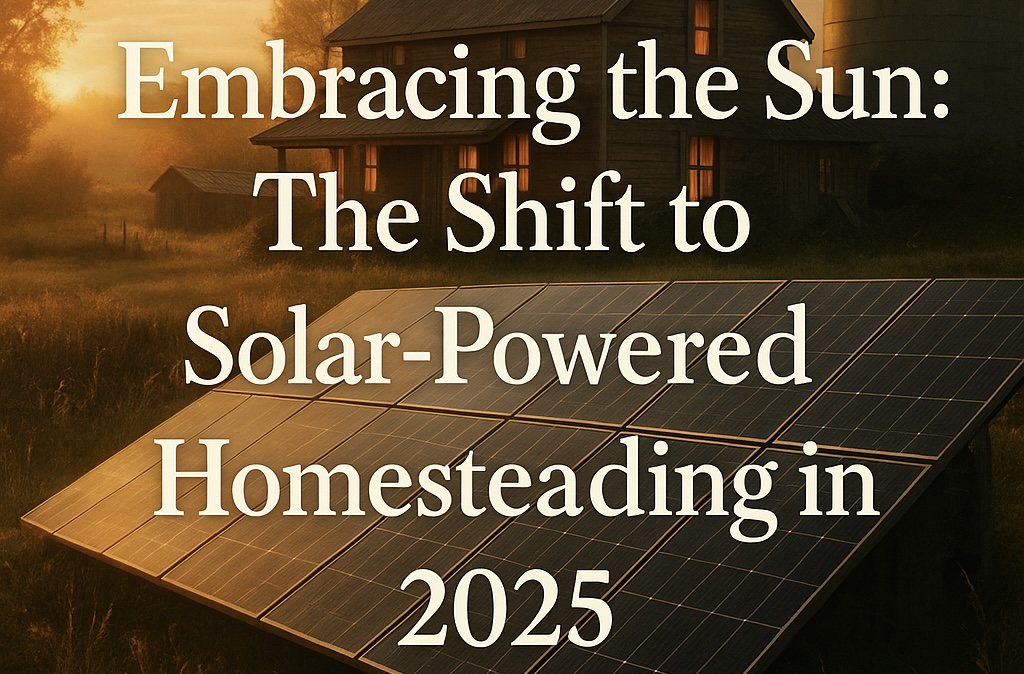
The dawn of a new era in homesteading isn’t just a dream on the horizon—it’s here, now, and it’s powered by the unyielding energy of the sun. As we stand at the crossroads of necessity and innovation, energy independence has transitioned from a fringe concept to a tangible reality for many. With the shift toward sustainable living, solar solutions are no longer optional luxuries but essential components of a resilient homestead. In this comprehensive guide, I will lead you through the intricacies of harnessing the sun’s power, ensuring that by the end, you’ll be equipped with the knowledge to transform your homestead into a beacon of self-reliance and environmental stewardship.
Imagine a homestead where every light, tool, and appliance hums to the rhythm of the sun’s cycle, where the constraints of the grid are as distant as the setting horizon. This isn’t a page from a utopian novel; it’s the lived experience of countless pioneers in the realm of solar-powered living. Before we delve deeper, picture Jane and John Doe, who transformed their once grid-dependent ranch into a solar showcase, ensuring that their energy needs are met even when winter storms rage. By the end of this article, you’ll understand how to replicate their success and more, as we explore the world of solar technology as it stands in 2025.
Understanding Solar Technology in 2025
The Evolution of Solar Panels
The solar panels of 2025 are not the clunky, inefficient slabs of the past. Today’s panels boast incredible advancements in efficiency, a testament to years of relentless research and development. We’re now seeing panels with efficiency rates that would have been deemed impossible a decade ago. These leaps are partly due to new materials, such as perovskite, that enhance light absorption and energy conversion. Design innovations, including bifacial panels that capture light from both sides, further bolster the energy yield. This evolution means more power per square foot on your homestead’s roof or property, a critical factor when space and efficiency are at a premium.
Solar Energy Storage Solutions
The Achilles’ heel of solar power has long been the question of storage, but the breakthroughs in battery technology have provided robust answers. Modern batteries are more compact, have longer life cycles, and offer higher energy densities than their predecessors. We now have a plethora of storage options available on the market, from the tried-and-true lead-acid to cutting-edge lithium-ion and beyond. The key is to compare these options not just on cost but on performance, lifespan, and maintenance requirements to find the perfect fit for your specific needs.
Smart Solar Systems
Integration with home automation is no longer a luxury—it’s a standard feature of smart solar systems. These systems empower you with real-time energy management and monitoring capabilities, allowing you to optimize consumption and make adjustments on the fly. Imagine receiving alerts when production dips or when storage levels are peaking, giving you the control to maximize your energy use. This level of interconnectivity not only simplifies management but also enhances the overall efficiency of your homestead’s energy ecosystem.
Planning Your Solar-Powered Homestead
Assessing Your Energy Needs
Before embarking on your solar journey, you must have a clear understanding of your energy consumption. Calculating your energy needs involves a thorough audit of your daily, seasonal, and annual power usage. Document every appliance, every light bulb, and every tool that draws power. Once you have this data, you can start optimizing your energy efficiency by switching to LED lighting, energy-efficient appliances, and adopting behaviors that reduce waste. Remember, the less energy you need, the smaller and more cost-effective your solar setup can be.
Designing Your Solar Setup
Determining the best placement for solar panels is critical to their performance. You must consider factors like sun exposure, shading, and even local weather patterns. The orientation and angle of your panels are equally important, as they directly affect how much sunlight your panels will receive throughout the year. Your goal is to capture the maximum amount of sunlight possible, which may require adjustable mounts or tracking systems that follow the sun’s path across the sky. This might sound complex, but it’s simply a matter of understanding your environment and using it to your advantage.
Navigating Regulations and Incentives
Dealing with zoning laws and building codes is an unavoidable part of installing a solar system. These regulations vary widely depending on location, so it’s essential to do your homework. Additionally, many governments offer grants, tax credits, and other incentives to encourage the adoption of solar power. These can significantly reduce the upfront cost of your solar setup, making your transition to solar power more affordable. Be thorough in your research, and don’t leave money on the table that could be used to enhance your homestead’s energy independence.
Innovative Solar Solutions for Homesteaders
Off-Grid vs. Grid-Tied Systems
The choice between an off-grid and a grid-tied system hinges on your personal goals and circumstances. Off-grid systems offer complete independence but require a significant investment in storage capacity to ensure a consistent power supply. Grid-tied systems, on the other hand, allow you to remain connected to the public utility grid, often with the benefit of net metering, where you can sell excess power back to the utility company. Each has its pros and cons, and your decision should be informed by your commitment to independence, financial considerations, and the reliability of your local grid.
Cutting-Edge Solar Appliances and Tools
Solar-powered appliances and tools have come a long way, offering homesteaders revolutionary ways to live off the sun’s bounty. From refrigerators and ovens to water pumps and power tools, there’s a solar option available that can reduce or eliminate your reliance on traditional power sources. These innovations are not just environmentally friendly; they’re also designed to withstand the demands of homesteading, ensuring durability and performance when you need it most.
Community Solar Projects and Cooperatives
Sometimes, individual efforts can be amplified by joining forces with others. Community solar projects and cooperatives allow neighbors to come together to invest in larger solar installations. These collective endeavors can provide power to multiple homes, share costs, and even generate income. For individual homesteaders, community solar can offer the benefits of solar power without the need for a significant personal investment or suitable space for a private system.
Implementing and Maintaining Your Solar System
DIY Solar Installation vs. Professional Setup
For the hands-on homesteader, a DIY solar installation can be a rewarding project. However, you need to know what you’re getting into. Understanding electrical systems, local codes, and safety protocols is essential. If your experience or comfort level doesn’t match the requirements of the installation, it’s prudent to call in the professionals. They can ensure that your system is installed correctly, safely, and in compliance with all regulations, which could save you time, money, and headaches in the long run.
Ongoing Maintenance and Upkeep
Like any critical system in your homestead, your solar setup requires routine maintenance to perform optimally. This includes keeping panels clean, monitoring system performance, and inspecting connections and hardware for signs of wear or damage. Your maintenance checklist should be tailored to your specific system and environment, addressing the unique challenges posed by local weather and wildlife. Additionally, learn how to troubleshoot common issues so that you can address problems quickly, minimizing downtime and maintaining your energy independence.
Upgrading Your System Over Time
Staying abreast of technological advancements is crucial as you might find opportunities to increase your system’s efficiency or capacity. Whether it’s adding more panels, upgrading to a more sophisticated inverter, or swapping out your batteries for a newer model, knowing when and how to upgrade can keep your system at the cutting edge. Plan for this eventuality by designing your initial setup with expansion in mind, ensuring that your homestead continues to benefit from the sun’s power for years to come.
Real-Life Examples of Sun-Powered Homesteads
Case Studies of Successful Solar Homesteads
Drawing inspiration from successful solar homesteads can provide practical insights and motivation. These case studies, drawn from various climates and settings, highlight the versatility and adaptability of solar power. From a ranch in the sun-drenched Southwest to a cabin in the cloudier Pacific Northwest, these stories reveal the universal applicability of solar solutions. By learning from the experiences of others, including the obstacles they overcame and the best practices they established, you can apply these lessons to your own solar journey.
Interviews with Solar Homestead Experts
There’s no substitute for wisdom gained from experience. Interviews with industry leaders and innovators shed light on the latest trends, techniques, and technologies in solar homesteading. These experts can provide practical advice that’s been honed in the field, from optimizing system performance to navigating the complexities of energy regulation. By tapping into their knowledge, you can avoid common pitfalls and accelerate your path to a successful solar-powered lifestyle.
Conclusion
Embracing the Future of Homesteading
Throughout this article, we’ve reinforced the importance of energy independence and the empowering role of solar technology in achieving it. As we embrace the future of homesteading, it’s clear that solar power is not just an alternative but a cornerstone of a sustainable and self-sufficient lifestyle. The journey to a solar-powered homestead is an investment in your resilience, your autonomy, and the planet’s well-being.
The Next Steps on Your Solar Journey
Armed with the information and insights from this guide, you’re now ready to take the next steps on your solar journey. Continue your research, reach out to local experts, and connect with other homesteaders who have made the transition to solar power. Whether you’re taking small steps or planning a full-scale solar installation, remember that every watt of sun-derived energy brings you closer to the self-reliant life you seek. Stay ready. Stay dangerous.