
When the grid’s down and your belly’s growling, nothing hits home like the sting of an empty pantry. In a high-threat environment, food isn’t just comfort—it’s your lifeline. But here’s the kicker: when society takes a nosedive, keeping that lifeline from spoiling becomes a full-time gig. So let’s talk brass tacks about advanced longevity techniques, because the right know-how can mean the difference between thriving and just barely surviving.
You’ve got your food stash. Great. But how long can you count on it? Factors like moisture, light, temperature, and those tiny oxygen molecules are all waiting to turn your hard-earned reserves into a moldy, rotten mess. We’ve all heard about canning, smoking, salting, but in a world gone south, we’ll need more than grandma’s recipes to keep our bellies full.
Now, let’s get to the good stuff—stepping up our game with modern preservation techniques meant for a world post-collapse. Dehydrating food isn’t rocket science; with a little elbow grease and some sun, you can dry out everything from jerky to berries. And for those with a techie twist, DIY freeze-drying can be a game-changer. As for vacuum sealing, it’s not just for the kitchen gadget crowd. With some ingenuity, you can seal your food tight, keeping it fresh without a whisper of power.
Then there’s the chemical warfare in food preservation—and I’m not talking about the stuff that’ll grow you a third arm. Using natural preservatives like salt, sugar, and vinegar can be just as effective, and a hell of a lot less sketchy than their synthetic cousins.
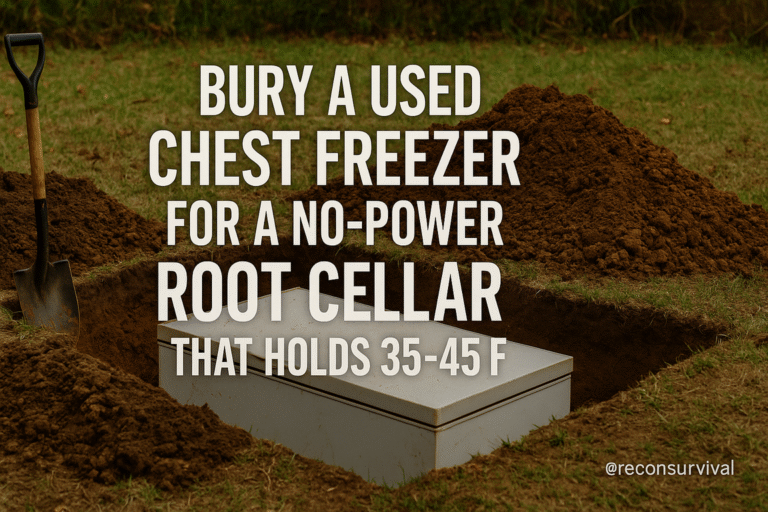
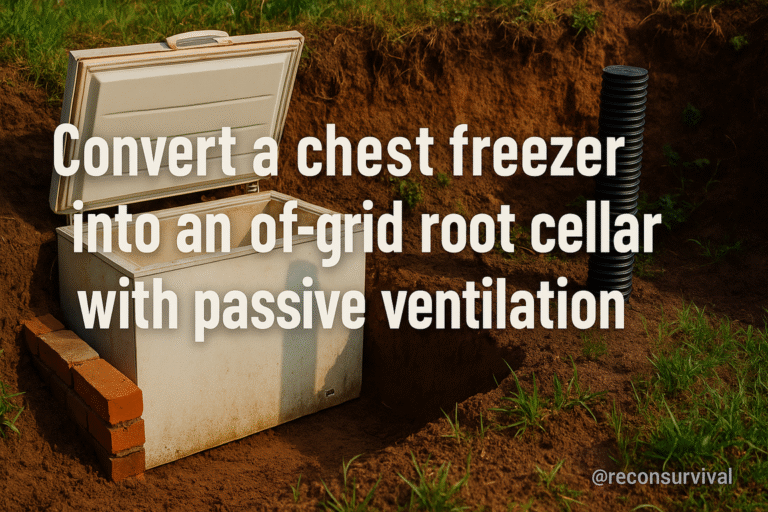
You’re gearing up, but where do you stash the treasure? Mylar bags with oxygen absorbers are like Fort Knox for your food. And when it comes to keeping things cool, don’t knock the old-fashioned underground storage like root cellars. These methods don’t need a plug, just some sweat equity. Even without electricity, a keen prepper knows how to use the earth’s natural coolness to keep their cache from turning into a science experiment.
Now let’s chat strategy. The FIFO—First In, First Out—method isn’t just for supermarkets. It’s for keeping your reserves from becoming a petri dish. Pair that with regular check-ups, and you’re golden. And when you spot something getting close to its last leg, get creative in the kitchen. A little improvisation can turn those near-expiration ingredients into a feast—or at least something that won’t make your taste buds stage a mutiny.
But what’s a cache worth if it’s not secure? I’ve seen a stash get wiped out faster than you can say “opportunistic looters.” You’ll want to hide your goods well and fortify like you’re expecting a siege. Surveillance and traps? Absolutely. Your food isn’t just a target for two-legged predators; nature’s got a whole lineup ready to pillage your pantry.
Now remember, even the best-laid plans get bulldozed by reality. When you can’t rely on your reserves, it’s time to hit the woods. Foraging and hunting are skills any serious prepper needs up their sleeve. And in the post-collapse bazaar, bartering will be the new black. Keep your plans flexible and your mind sharper than your knife—because the unexpected is the only thing you can expect.
Before I was a survivalist, I was a soldier. And if there’s one thing the Army beat into my head, it’s adaptability. Here’s a little story for you: I once had a buddy whose food cache was ruined by a simple leak in his shelter. All because he thought a tarp was good enough. Don’t be that guy. Invest in those Mylar bags, keep an eye on your gear, and never underestimate Mother Nature’s penchant for chaos.
To wrap this up: Remember those advanced longevity techniques we talked about? They’re your insurance policy. Prepping is about being proactive, and education is the currency of survival. Doesn’t matter if you’re a greenhorn or an old hat at this; there’s always something new to learn. So keep your blade sharp, your wits about you, and your pantry full.
Stay ready. Stay dangerous.