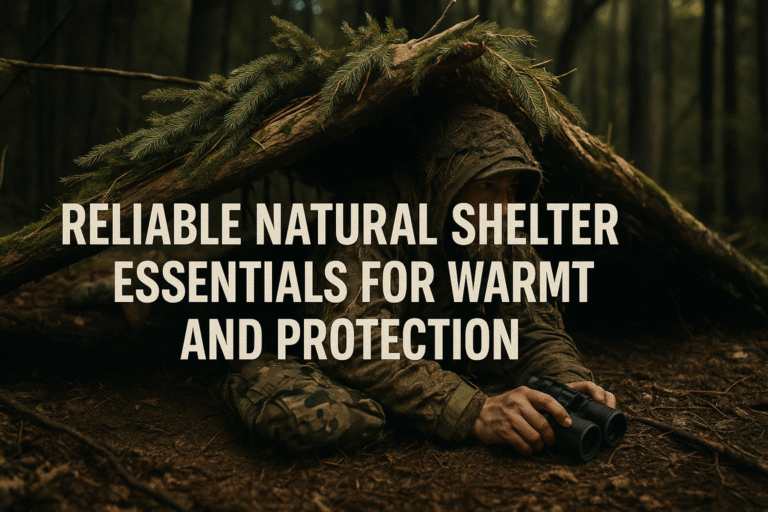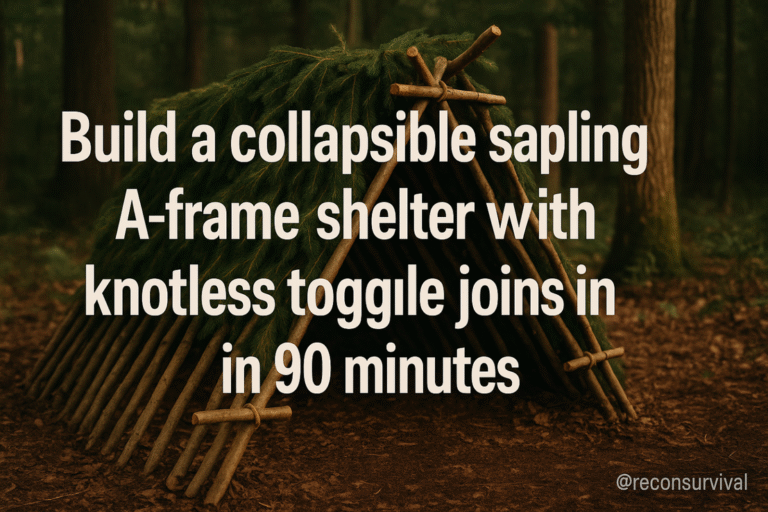
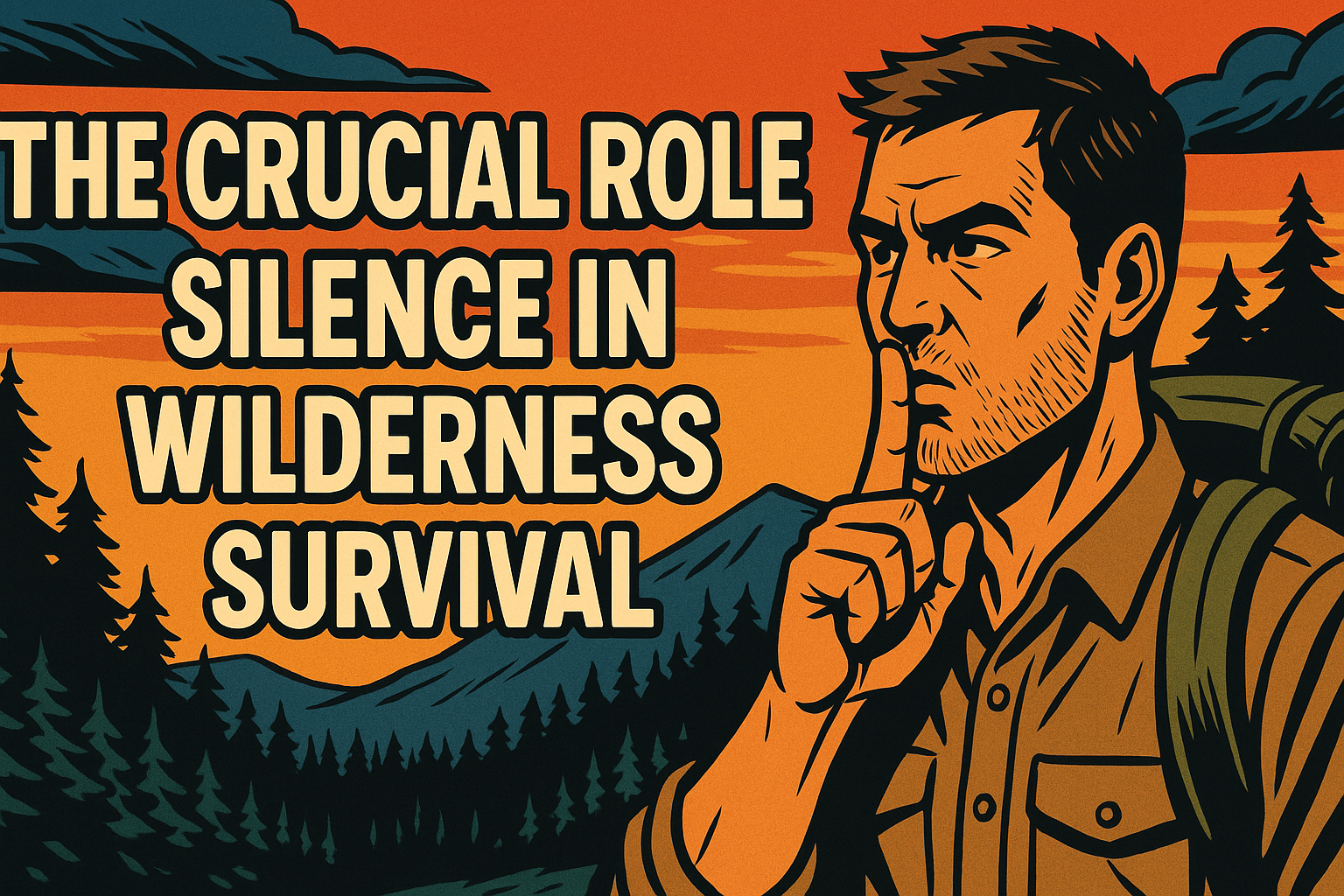
In the wilderness, silence isn’t just golden; it’s survival. The cracking of a twig underfoot, the rustle of a jacket against a branch—such sounds can betray your presence to both the wildlife you might be hunting and the threats you’re avoiding. Imagine a scenario: you’re tracking a deer, the perfect shot lined up. But then, a careless step onto dry foliage alerts the animal to your presence, and in an instant, your quarry bounds away, leaving you with nothing. It’s in moments like these that the importance of moving silently through the wild becomes starkly evident. Stealth movement can mean the difference between going hungry and securing your next meal, between remaining unseen and exposing yourself to danger.
The Sound of Survival: Why Silence Matters
In the wild, noise is an indicator of presence. It’s a beacon that can attract unwanted attention, whether from predators or from other humans who may not have your best interests in mind. In survival situations, the ability to move quietly can be as critical as any tool in your pack. It’s not just about being quiet; it’s about understanding and adapting to the acoustic environment around you.
The Art of Stealth: More Than Just Being Quiet
Stealth in the wilderness is an art—it’s about noise discipline, a systematic approach to controlling and minimizing the sound you produce. This discipline is crucial for avoiding detection and maintaining a low profile. Animals are masters of stealth, and there’s much to learn from their behavior. A fox moves through underbrush with scarcely a whisper, and an owl’s flight is silent thanks to specialized feathers. These creatures are not just quiet; they are acutely aware of their sound in relation to their environment.
Understanding the Wilderness Soundscape
Identifying Natural vs. Unnatural Sounds
To blend seamlessly into the wilderness, you must first become a student of its soundscape. Every environment sings its own complex symphony of noises. In the forest, leaves rustle, branches creak, and animals call. The desert may seem silent, but it’s filled with the sounds of shifting sands and nocturnal creatures. Snow-covered landscapes absorb sound, creating a hushed world. By learning to differentiate between these natural sounds and those that are out of place, you can better mask your own movements.
How Your Presence Alters the Audio Environment
Your presence in the wild is like throwing a stone into a calm pond—the ripples disrupt the natural order. Human activity, even the most minute, can alter the sound profile of an area, affecting both the behavior of wildlife and your own concealment. For instance, increased noise levels can cause animals to avoid an area, depriving you of essential resources like food and water. Additionally, sounds that don’t belong can signal your presence to others who may be in the vicinity.
Mastering Noise Discipline
The Basics of Sound Control
Noise discipline begins with the principles of sound control. When moving, be conscious of where you step and how you interact with your environment. Keep your gear well-maintained to prevent rattling and squeaking. In camp, movements should be deliberate and muted. Choose equipment that is designed for silent operation, and take the time to silence any gear that isn’t. Padding, lubrication, and strategic packing can all play a role in reducing noise.
Techniques for Silent Footfalls
The way you walk can greatly impact the noise you make. In the wild, each terrain presents its own challenges. Dry leaves and twigs require a gentle, rolling step to avoid snapping them. Snow and wet conditions can muffle sounds but also require careful movement to prevent loud squelches or crunches. Practicing different walking techniques will allow you to adapt to these various conditions and reduce your auditory footprint.
Stealth Movement Strategies
Utilizing Natural Cover and Camouflage
To move unseen and unheard, use the environment to your advantage. Vegetation, terrain, and natural structures can all provide cover and help dampen sound. Selecting a route that takes advantage of these features is essential. Moving alongside a stream, for instance, can help mask the noise of your footsteps. Camouflage doesn’t just apply to sight; it’s also about blending your sounds into the natural background noise.
Timing Your Movements with Ambient Noises
The wild is rarely silent, and its natural noises can be used to your advantage. The rustling of wind through leaves, the flow of a river, even the distant rumble of thunder can provide auditory cover for your movements. This concept, known as ‘sound cloaking,’ involves timing your actions with these ambient noises to conceal any accidental sounds you might produce. With practice, this technique can become a powerful tool in your stealth arsenal.
Tools and Gear for the Stealthy Survivor
Choosing the Right Equipment for Quiet Operation
Your gear can make or break your stealth in the wild. Select clothing and equipment that are designed for quiet operation—soft fabrics, non-reflective surfaces, and muted colors are all critical. Additionally, look for gear with noise-reducing features, such as backpacks with silent zippers or clothing without Velcro. Reviews and recommendations from other survivalists can guide you toward the best products for silent travel.
DIY Modifications for Noise Reduction
Not all gear is created with stealth in mind, but with a few modifications, you can reduce the noise of your existing equipment. Wrapping noisy buckles with tape, adding felt pads to clanking metal parts, or sewing fabric patches over noisy areas are just a few examples. Nature itself can provide materials for dampening sound—moss, leaves, or even mud can be used to silence gear temporarily.
Training and Mindset for Silent Travel
Exercises to Improve Stealth Skills
Like any skill, stealth improves with practice. Set up exercises that challenge you to move quietly across different terrains. Focus on controlling your breathing, maintaining balance, and moving smoothly. Record yourself to identify and correct noisy movements. Over time, these exercises will help you develop a more instinctive approach to noise discipline.
The Psychological Aspect of Stealth
Mastering stealth is as much a mental game as a physical one. It requires patience, acute observation, and the ability to remain calm and deliberate under stress. Cultivating these traits will not only improve your stealth skills but also enhance your overall survivability. Remember, the ability to remain undetected can be as vital as any combat skill in a survival scenario.
Conclusion
Integrating stealth into your wilderness skill set is essential. Mastering the art of moving silently and unseen can mean the difference between thriving and failing in a survival situation. Remember to practice these skills regularly, reflect on your experiences with noise discipline, and always strive to fine-tune your approach. The role of silence in staying safe and undetected in the wild cannot be overstated. It’s not about fear; it’s about respect for the power of noise and the advantage that silence can provide. Stay ready. Stay dangerous.