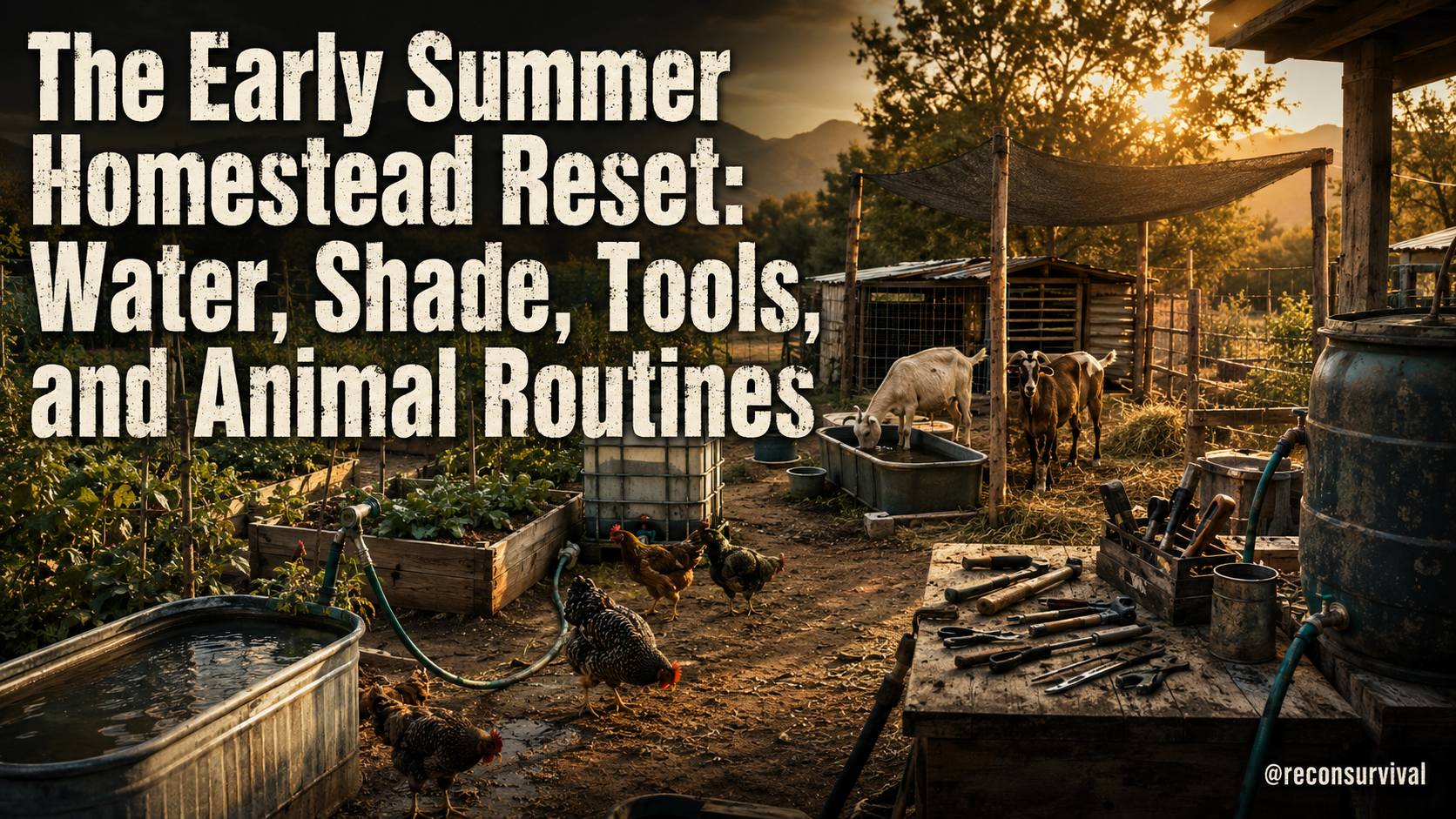
A practical way to reset garden, animal, tool, shade, and water routines for early summer, but most advice is either too generic, too gear-focused, or too late.
As an Amazon Associate, I earn from qualifying purchases.
The garden often fails quietly. By the time a household notices reduced yields, wilting plants, or animals showing signs of heat stress, the damage is already done. The first week of June represents a critical window where systems must be adjusted before the intensity of summer heat fully arrives. This article provides a specific method for resetting garden, animal, tool, shade, and water routines for early summer. It addresses the reality that standard advice is frequently either too generic, too focused on expensive gear, or implemented too late to be effective.
The Real-World Problem of Early Summer Systems
Most households treat their property as a collection of isolated tasks rather than an integrated system. As the sun intensity increases, the interdependence between water availability, shading structures, tool condition, and animal health becomes critical. The real-world problem is that many homeowners wait for a system failure – such as a dry pond or a sick livestock animal – before taking corrective action. By the time a crisis occurs, the window for a gentle reset has closed, forcing reactive and expensive measures. This article solves that by providing a proactive framework to manage these specific domains before they break.
Why This Matters Without Fear
The urgency of this reset stems from the physics of heat and the biological needs of your dependents, not from speculative disaster scenarios. In early summer, solar radiation increases significantly, and humidity levels often shift. For a garden, this means faster evaporation rates and higher susceptibility to pests that thrive in hot, dry conditions. For livestock, it means reduced appetite and increased metabolic demand. If your water system cannot keep up, or if your shade is inadequate, productivity drops immediately. The focus here is on maintaining functional standards to ensure continuity of output and animal welfare, regardless of external events.
The Most Common Mistake: Reactive Maintenance
The single most common mistake people make with this topic is waiting for a specific indicator of failure to act. A homeowner might wait for their water pump to stop working before checking the intake or until their plants show yellowing leaves before adding more mulch. This reactive approach forces the system to operate in a high-stress state for too long. When systems are already compromised, simple fixes become complex repairs. The goal of this reset is to move from a reactive posture to a proactive one, ensuring that resources like water and energy are managed before demand peaks.
The Recon Survival Practical System
The Recon Survival practical system for resetting early summer involves a four-phase approach that covers garden, animal, tool, shade, and water. This framework is designed to be executed calmly and realistically. The process begins with an audit of existing resources, followed by specific adjustments to infrastructure, then tool maintenance, and finally, a review of animal and plant routines. This sequence ensures that no single area is neglected while the focus is on the whole household system. The method relies on observable thresholds rather than arbitrary dates, allowing for flexibility while maintaining safety and efficiency.
Step-by-Step Implementation for Normal Households
The system is broken down into clear steps that a normal household can use immediately. First, assess your water reserves. Check the levels in cisterns, barrels, and ponds. Ensure that filtration systems are clean and pumps are primed. Second, evaluate your shade structures. Look for gaps in tree canopies or damage to shade cloth that could expose plants and animals to direct sun during peak hours. Third, organize your tool shed. Remove moisture traps, sharpen blades, and organize implements by function to prevent waste of time during the busy summer season. Fourth, adjust animal routines. Ensure waterers are positioned to minimize evaporation and that feed bunks are accessible and clean. This step-by-step progression prevents overwhelm and ensures that every action contributes to system stability.
Application to a Small Backyard or Homestead
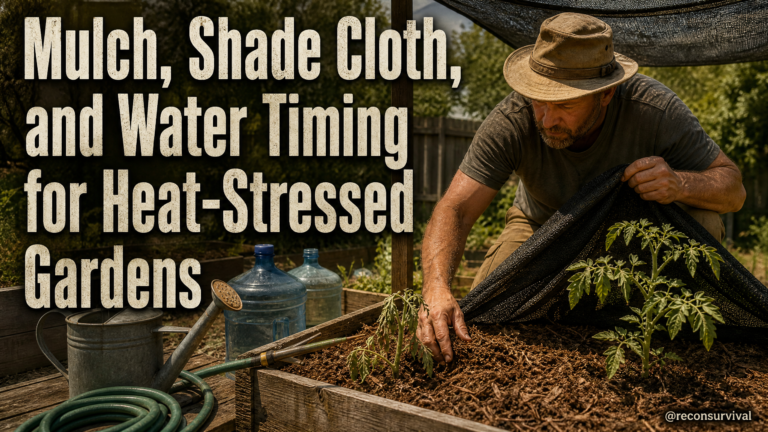
Applying this topic to a small backyard or small homestead requires a focus on density and efficiency. In smaller spaces, resources are limited, so conservation is key. For a garden in a small backyard, prioritize high-value crops and ensure they are planted in a way that maximizes existing shade. Use deep mulch to lock in moisture. For animals, even in a small pen, the placement of waterers matters immensely; position them near shade but avoid placing them directly under drip lines from trees where runoff is common. The same logic applies to tools; a small shed needs to be well-ventilated to prevent rust, which can compromise tool life. The constraints of a smaller area make the systematic approach even more valuable.
Low-Cost Options and Durable Upgrades
It is possible to implement this reset with minimal expenditure or with a path toward durability. A low-cost option for water management involves using dark-colored containers for rain catchment to reduce algae growth and adding a simple floating leaf cover to barrel lids to minimize evaporation. For shade, planting fast-growing vines like grape or wisteria can provide natural, free shade over time. Alternatively, purchasing commercially available shade cloth offers a quicker solution. For tools, basic sharpening stones are cheap but effective upgrades to extend tool life. The durable upgrade path involves investing in corrosion-resistant materials for outdoor equipment and installing permanent irrigation timers that can be programmed with seasonal adjustments. Both paths lead to the same goal: a resilient system that functions reliably.
Recon Survival Principle: Systems Are Interconnected
The Recon Survival Principle states that a failure in one part of a system often reveals a weakness in another. In the context of early summer, water availability dictates garden health, which in turn affects the nutritional status of animals if crops are grown for livestock. Similarly, the condition of your tools dictates the speed of your response to weather events. By treating these domains as a single, integrated whole, you build redundancy into your daily life. This principle discourages silo thinking, where the garden is managed by one person and the animals by another without communication. Instead, it encourages a holistic view where every decision considers its impact on the entire homestead.
Adaptation to Local Conditions
Every household faces unique local conditions that must be respected. Some areas face drought conditions that require aggressive water conservation, while others face heavy rainfall that risks flooding and erosion. The reset must account for these specific environmental factors. For example, in high-rainfall areas, drainage becomes the primary concern for garden and animal pens, while in arid regions, evaporation control is the priority. Consulting local emergency management guidance or weather service forecasts can help tailor the reset to your specific region. The system is flexible enough to accommodate these variations without requiring a complete overhaul.
The Value of Documentation
Documentation is a critical component of the reset, often overlooked in generic advice. Keeping a simple log of water levels, temperature readings, and tool condition helps identify trends over time. If a water pump starts making noise, the log can help you determine if it is a seasonal issue or a sign of impending failure. This practice turns experience into data, allowing for better decision-making. It also helps in training family members or neighbors, ensuring that knowledge is preserved even if specific individuals are unavailable. Documentation does not need to be complex; a notebook or a simple digital spreadsheet works fine.
Preparing for Peak Stress
The ultimate goal of this reset is to prepare for peak stress conditions that occur later in the summer. By addressing water, shade, tools, and animal routines now, you ensure that the system can handle the demands of July and August without breaking down. This preparation allows the household to focus on other priorities, such as harvesting crops or managing family schedules, rather than firefighting system failures. The calmness gained from a well-maintained system provides a psychological advantage, reducing stress levels for everyone involved. A functional homestead allows for a clearer mind, which is essential for long-term readiness.
Do Today
- Walk the main system named in the brief and write down the first weak point.
- Assign one person to own that fix before the day ends.
- Check the related supplies, tools, batteries, labels, or documents by hand.
- Put the next review date on a calendar instead of relying on memory.
- Move one critical item to the place where it will actually be used.
- Tell the household what changed and where the updated item now lives.
- Repeat the check after the next outage, storm warning, trip, or schedule change.
Do Today: Early Summer Reset Checklist
To implement the reset immediately, complete the following concrete actions. These steps are designed to be finished within a few hours or a single weekend.
- Check all water storage containers and cistern levels; fill any gaps immediately.
- Inspect animal waterers for algae growth and clean them using a mild, non-toxic solution.
- Examine your garden beds for mulch depth; add fresh mulch to areas where the top layer has thinned.
- Walk the perimeter of your property to identify broken tree branches or loose shade cloth that need repair.
- Clean and dry all outdoor tools, removing rust and oil buildup to prevent degradation during the summer.
- Review your tool organization; ensure heavy implements are stored securely to prevent accidents or damage.
- Record the current status of your water, shade, and tool systems in your household log for future reference.