A practical way to protect raised beds, seedlings, tools, animals, and outdoor water systems from early storm damage, but most advice is either too generic, too gear-focused, or too late.
Late April means the window to shore up your spring garden closes fast. The weather is unsettled, and early storms can damage seedlings, ruin newly planted raised beds, soil amendments, tools, animals, and outdoor water systems. If you wait until a named storm or hot weather front is on the horizon, it's often too late to avoid losses or costly repairs. This is that early action moment to inspect, protect, and reinforce, not with fancy gear or a massive overhaul, but with focused, realistic steps a typical backyard homestead can tackle in a day or two.
Spring is the perfect time to catch vulnerabilities before hurricane season or heat spikes bring stress to your system. Raised beds often hold fragile plants that don't tolerate soggy soil or wind damage. Seedlings need shelter from wind and rain pounding sideways. Outdoor tools left scattered become projectiles or get ruined. Animals without secure shelter or protected water can get dehydrated or injured. Water systems exposed to damage lose critical supply at the worst time.
Here's the Recon Survival system for protecting raised beds, seedlings, tools, animals, and outdoor water systems from early storm damage. The approach breaks down by focus area with clear household-level steps.
Raised Beds and Seedlings
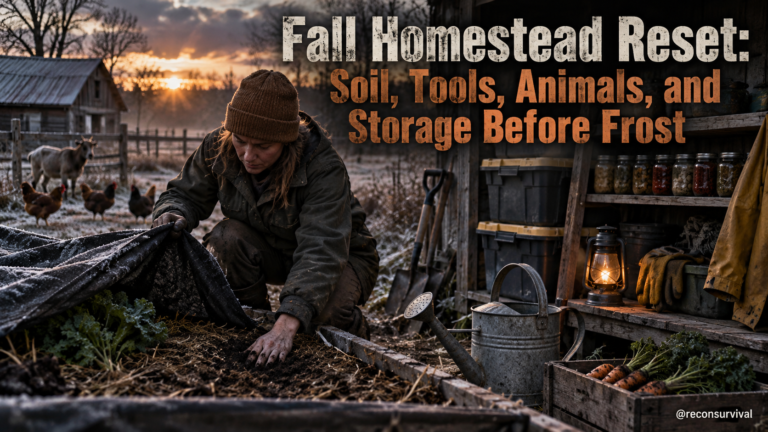
Late spring rain and wind can wash out raised beds and flatten seedlings fast. Start by checking that beds are structurally solid, look for rotted boards, loose nails, or gaps where soil can leak. Reinforce any weak corners with brackets or screws. Add edging or barriers if soil erosion is evident.
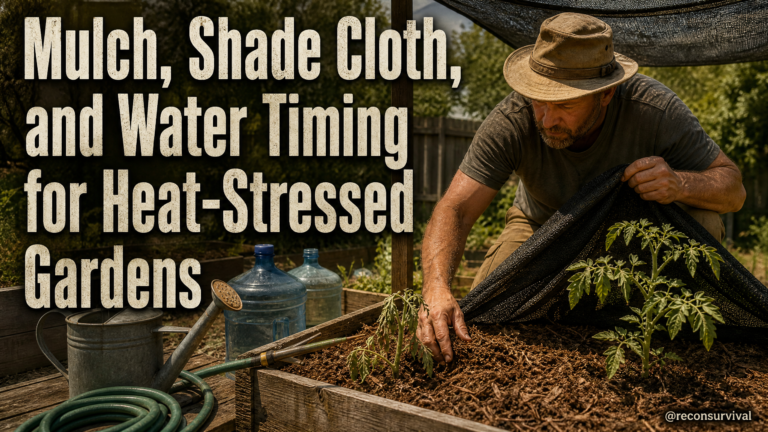
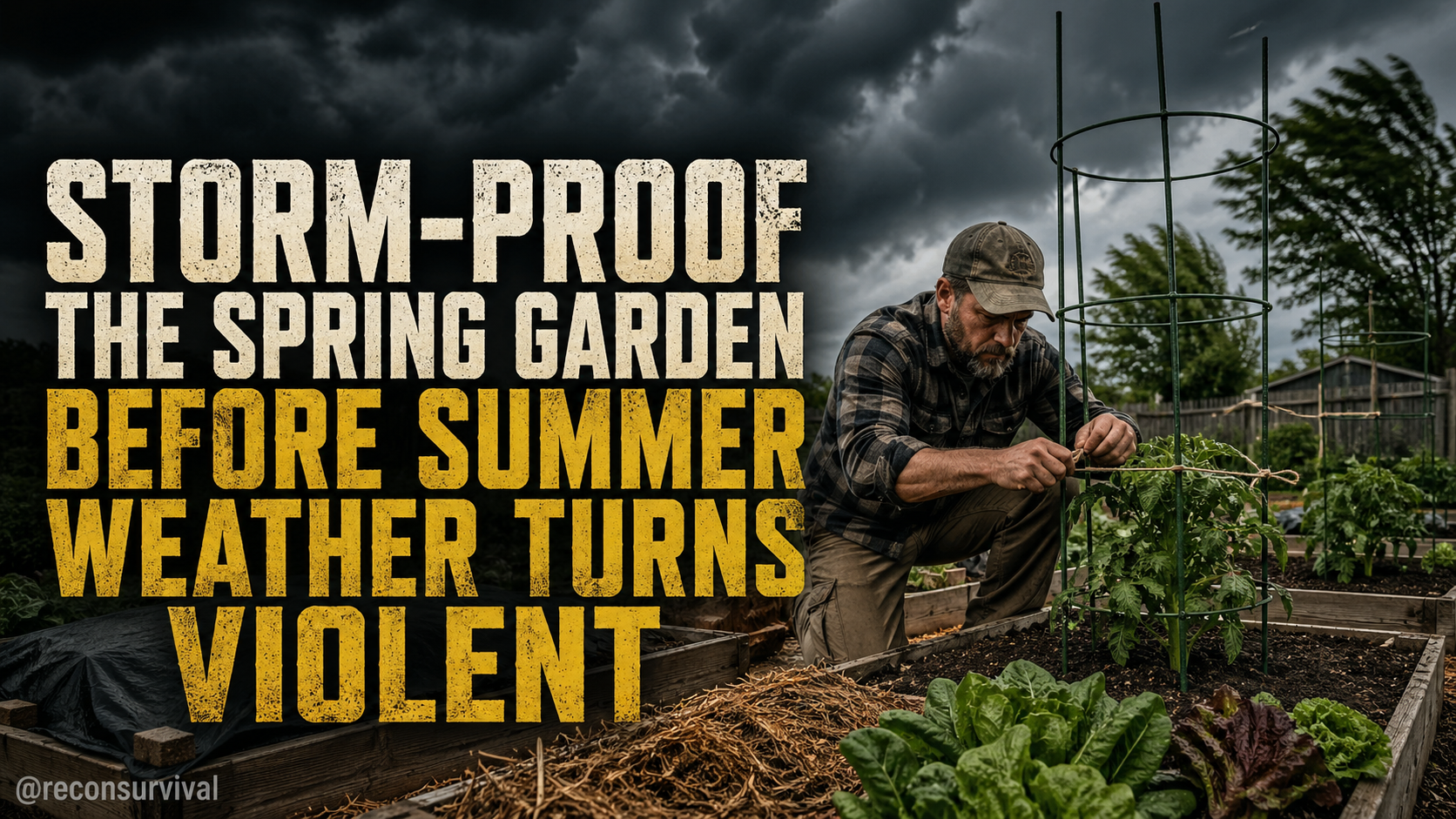
Cover seedlings with a sturdy frame and breathable plant covers, like shade cloth or row covers, anchored securely on all sides. Avoid plastic sheeting loosely draped, it can act like a sail in wind. Use bricks, sandbags, or buried stakes at corners to keep covers from shifting or lifting. Check drainage around beds; standing water will rot roots and increase pest pressure.
Common early-season damage comes from storm-driven wind tearing covers off or rain pooling and collapsing seedlings underneath. Make a habit of inspecting covers daily once storm systems are predicted and tighten or add weight if wind warnings crop up.
Tools and Supplies
Tools left outside become hazards and liabilities during storms. Loose shovels, hoes, or garden carts can fly and get lost or damaged. The system here is simple: designate and maintain a secure storage area. A low-cost option is a weatherproof plastic box or heavy-duty tote with a lock or strap. For durable protection, a small garden shed with shelves and hooks works best.
Regularly confirm the lock or latches work and tools are clean and dry before storing. Take inventory monthly through late spring to spot damaged handles or rust forming. Keep basic repair supplies like oil, replacement handles, and fasteners handy to fix tools immediately.
Animals
Small-scale poultry, rabbits, and outdoor cats or dogs need shelter that withstands sudden showers and wind. Check existing shelters for loose panels, gaps, or water leaks. Add storm shutters or removable windbreaks made from wooden pallets or tarps anchored firmly. For low cost, use heavy-duty tarps tied securely with bungee cords over chicken wire runs or hutches before storms hit.
Ensure waterers provide fresh water without allowing contamination during rain. Set up additional water containers indoors or under cover to prevent interruptions. Assign household roles: who brings animals inside if forecast changes, who checks water daily, and who feeds animals during rough weather. Rotate those roles monthly so everyone stays familiar.
Outdoor Water Systems
Sprinkler heads, hoses, and rain barrels often get left running or unprotected, leading to damage or contamination. Start by turning off irrigation systems at the main valve if a heavy rain or storm is coming. Drain and coil hoses for storage. Secure rain barrels and water tanks to prevent tipping or overflow that contaminates stored water.
Inspect pipes for leaks, cracks, or pressure issues now rather than mid-storm. Check for proper drainage from collector systems so they don't flood garden areas. Clean filters and screens on water catchment systems monthly during spring to avoid clogs that worsen when storms bring debris.
Low-cost options include using concrete blocks or bricks to anchor water containers, while a more durable upgrade entails installing metal brackets or a simple wooden frame structure. Schedule water system testing after every major storm to catch damage early.
Applying This System to a Small Backyard Homestead
A typical family garden on a 50×30 ft backyard with two raised beds, a dozen seedlings in a cold frame, a small chicken coop, and a rain barrel can follow a streamlined checklist:
- Raised beds: Inspect four corners for loose boards; reinforce with 8-pack corner brackets; cover seedlings with breathable cloth secured by bricks.
- Tools: Gather 10 essential garden hand tools; store in a 50-gallon weatherproof container with tight-fitting lid.
- Animals: Check chicken coop door latches; install a tarp windbreak on west side using bungee cords; place two extra 1-gallon water buckets indoors.
- Water system: Turn off drip irrigation valve pre-storm; coil hoses in garage; check rain barrel securely tied down with concrete blocks.
This covers critical weak points with minimal outlay and clear assignments. The durable path after the initial low-cost fixes includes upgrading to a metal shed for tool storage, reinforcing coop walls with treated lumber, and installing a raised wooden frame for rain barrels. Both phases fall within normal homeowner budgets but prioritize the early low-cost weatherproofing steps.
Recon Survival Principle
Storm-proofing is layered and modular. It isn't about one big fix but steady, regular attention to every weak point across systems. Prioritize based on what failure would cause the most damage or loss of time. It also demands clear household communication and role assignments, knowing who does what when the weather threatens. Testing your fixes with minor wind or rain events before the heavy storms arrive gives an important decision point: if covers don't hold or storage leaks, adjust now, not later. That disciplined rhythm keeps your homestead ready under pressure.
Do Today
- Inspect raised bed frames for damage; reinforce corners with brackets or screws.
- Secure breathable covers over seedlings using weight at all corners.
- Collect all loose tools in your yard for cleaning and storage; count and catalog them.
- Check and tighten locks or closures on your garden tool box or shed.
- Examine animal shelters; add tarps or windbreaks anchored with bungee cords or sandbags.
- Fill and place extra water containers indoors or under cover for animals.
- Turn off irrigation valves and coil hoses for storm readiness.
- Secure rain barrels with concrete blocks or other heavy anchors.
- Write down who in your household will handle raising covers, checking water, and securing animals when storm watches occur.
- Run a quick water system check for leaks or clogs.
Following this structured approach now cuts unpredictable losses and stress later. Early spring is your best shot to find and patch gaps, protect vulnerable plants and animals, and keep outdoor water systems functional when the weather turns. Taking these steps today shows the difference between reacting to storms and controlling outcomes on your homestead.
Final Pass Before You Stop
Before you call the audit complete, put the plan where the household can actually use it. Tape the role list inside a cabinet, mark water and fuel dates with a thick marker, put the radio and flashlight checks on the calendar, and make one person responsible for reviewing the list after the next storm, outage, or heat advisory.