Introduction
In a world increasingly dependent on technology, the threat of solar storms looms large, posing risks that could disrupt the very fabric of our modern society. Understanding the nature of these celestial events, their potential impacts on technology, and the importance of preparedness cannot be overstated. As we delve into the science of solar storms and their historical impacts, we’ll equip ourselves with the knowledge and tools necessary to develop a comprehensive preparedness plan. This is not mere speculation; it is a critical aspect of survival in today’s interconnected world.
Understanding Solar Storms
Solar storms, a natural phenomenon originating from the sun, can unleash powerful bursts of electromagnetic energy that travel through space towards Earth. These events, while awe-inspiring, are not merely a spectacle. They carry the potential to cause significant disruption to our technologically driven lives. Comprehending the mechanics of these solar tempests is the first step in appreciating the real dangers they pose and preparing for their eventuality.
The Risks and Impacts on Technology
Our reliance on technology is both a boon and a bane in the face of solar storms. The risks and impacts on our electrical grids, communication networks, and navigational systems could be profound. Imagine an instant blackout, a sudden silence in communications, and a bewildering loss of direction—all possible outcomes of a severe solar storm. The time to prepare is now, before the next big event catches us off guard.
The Importance of Preparedness
Preparedness is not a luxury; it is a necessity. In the event of a solar storm, the difference between readiness and complacency could be the difference between resilience and catastrophe. By preparing, we ensure that we can mitigate the effects of solar storms on our lives and maintain control in an otherwise uncontrollable situation. Let’s explore the nature of these cosmic disturbances and chart a course for preparedness that leaves nothing to chance.
What Are Solar Storms?
The sun, a seemingly stable beacon of light and warmth, is a volatile star capable of producing intense solar storms that can have profound effects on Earth. Understanding the science behind these events is crucial for preparing and responding to their potential impacts effectively.
The Science Behind Solar Flares and Coronal Mass Ejections
Solar storms are primarily the result of two types of solar phenomena: solar flares and coronal mass ejections (CMEs). Solar flares are intense bursts of radiation caused by the release of magnetic energy from the sun’s atmosphere. They can happen in minutes and affect all layers of the solar atmosphere, sending a wave of energy and particles into space. Coronal Mass Ejections, on the other hand, involve the release of massive bubbles of gas and magnetic fields from the sun’s corona. These CMEs can take days to reach Earth but are capable of causing much more significant disruptions to our technological systems.
Historical Solar Storm Events and Their Impacts
Historical solar storm events give us a glimpse into the potential devastation they can cause. The Carrington Event of 1859, the most powerful solar storm recorded, caused telegraph systems to fail across Europe and North America. In 1989, a less intense storm left six million people in Quebec without power for nine hours. These events underscore the vulnerability of our modern infrastructure to solar phenomena.
Predicting Solar Storms: Current Capabilities and Limitations
Predicting solar storms is an evolving science. While we’ve made strides in understanding solar activity, accurately forecasting these events remains a challenge. The Space Weather Prediction Center, part of the National Oceanic and Atmospheric Administration (NOAA), monitors the sun’s activity and issues alerts, but limitations in our predictive capabilities mean that we may only have hours to prepare for an incoming storm. Thus, pre-emptive preparedness is essential.
Assessing the Risks of Solar Storms
Assessing the risks of solar storms is an exercise in understanding the potential breadth and depth of their impact on our technological systems. Let’s examine the key areas of vulnerability.
Potential Impact on Electrical Grids
Electrical grids are particularly susceptible to the effects of solar storms. The geomagnetically induced currents (GICs) can overload transformers, leading to widespread power outages. A severe solar storm could leave millions without power, disrupt critical services, and take months or even years to fully repair.
Threats to Communication Systems
Communication systems, both satellite-based and terrestrial, can be severely disrupted by solar storms. Satellite systems may suffer malfunctions or damage, while ground-based communication networks could experience signal degradation or complete failure, cutting off essential lines of communication when they are needed most.
Risks to Navigation and Transportation Networks
Navigation and transportation networks, reliant on GPS and other electronic systems, face significant risks from solar storms. GPS signals can be distorted, leading to inaccurate positioning information, and this has implications for aviation, maritime, and land transportation, potentially disrupting logistics and emergency services when reliable navigation is crucial.
Developing Your Preparedness Plan
A solar storm preparedness plan is your blueprint for resilience in the face of these unpredictable events. Let’s create a robust plan that will stand up to the challenges posed by solar storms.
Step-by-Step Guide to Creating a Solar Storm Preparedness Plan
To create an effective solar storm preparedness plan, follow these steps: first, assess your risk based on location and dependence on technology. Next, outline essential functions that must be maintained during a storm, such as access to water, food, and heat. Then, identify backup systems and protective measures for your electronics and data. Finally, establish communication protocols and a response strategy for when traditional systems fail.
Essential Components of a Robust Preparedness Plan
A robust preparedness plan should include the following components: an emergency supply kit with food, water, and medical supplies; a strategy for maintaining power, such as generators or solar chargers; protective measures for electronics, such as surge protectors and Faraday cages; and a communication plan that includes non-digital methods.
Customizing Your Plan According to Your Needs and Location
Customize your plan based on individual needs and location. For those in urban areas, consider the challenges of dense populations and potential for supply chain disruptions. Rural residents should prepare for isolation and limited access to services. Tailor your plan to address the unique challenges you may face, and practice it regularly.
Mitigating the Technological Aftermath
When a solar storm strikes, the technological aftermath can be daunting. However, with foresight and planning, you can mitigate the effects on your electronic devices and maintain communication and power.
Protecting Your Electronic Devices and Data
Protect your electronic devices and data by using surge protectors and unplugging equipment during a storm. Store critical data on redundant drives and consider using Faraday cages to shield sensitive electronics from electromagnetic radiation.
Alternative Communication Methods During Tech Failures
Develop alternative communication methods for use during technological failures. This could include battery-powered or hand-crank radios to receive information, as well as two-way radios for local communication. Establish a plan with family, friends, and neighbors for checking in during an emergency.
Backup Power Solutions: Generators, Solar Panels, and Batteries
Invest in backup power solutions such as generators, solar panels, and batteries. These can provide essential power to your home and devices during extended outages. Ensure you have the appropriate fuel, know how to operate these systems safely, and store them in a way that protects them from the elements.
Skills and Knowledge for Post-Solar Storm Survival
Surviving the aftermath of a solar storm requires a set of skills and knowledge that go beyond the initial preparedness plan. Let’s explore what you need to know.
Basic Electronics Repair and Troubleshooting
Learn basic electronics repair and troubleshooting to fix damaged or malfunctioning equipment. This skill can restore communication and power devices, providing a level of self-sufficiency when professional services are unavailable.
Navigational Skills Without GPS
Develop navigational skills without relying on GPS. Learn to use maps, compasses, and natural indicators to find your way. This can be invaluable if digital navigation systems are disrupted or inaccurate due to solar activity.
Community Response Coordination and Networking
Engage in community response coordination and networking. Establish relationships with neighbors and local organizations to create a support network. Collaborative efforts can help distribute resources, share information, and provide mutual aid in the aftermath of a storm.
Building a Survival Kit for Solar Storms
A well-stocked survival kit is your lifeline during a solar storm. Let’s ensure you have everything you need for both immediate and long-term survival.
Must-Have Items for Immediate Survival Needs
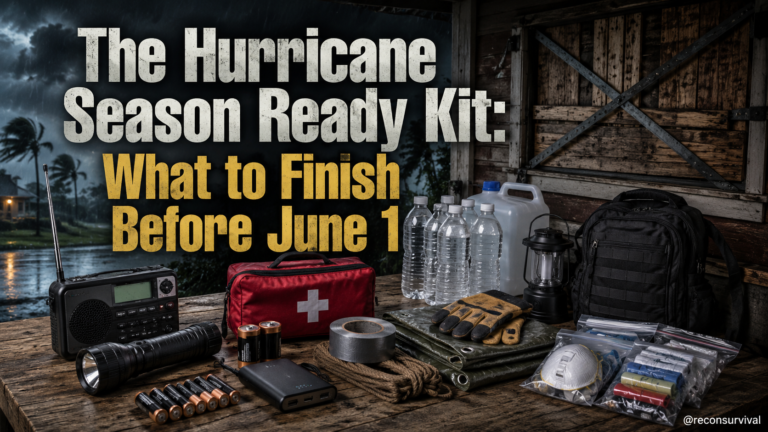
Your survival kit should include must-have items for immediate needs: non-perishable food, water, a first-aid kit, flashlights, batteries, and a multi-tool. These essentials will sustain you in the first critical hours and days following a storm.
Long-Term Supplies for Prolonged Outages
For prolonged outages, your kit should include long-term supplies such as additional food and water, medication, hygiene products, clothing, and alternative cooking methods like a portable stove or grill. These items will help you maintain a semblance of normalcy during extended disruptions.
Maintaining and Updating Your Survival Kit
Regularly maintain and update your survival kit. Check expiration dates, replace used items, and adjust the contents as your needs change. A well-maintained kit is a reliable one.
Conclusion
The vital role of awareness and continuous learning cannot be overstated when it comes to solar storm preparedness. Encouraging community and national preparedness efforts strengthens our collective ability to respond and recover. Staying informed about updates and advances in solar storm prediction sharpens our readiness and ensures we can adapt our strategies to the latest knowledge. Remember, preparedness is the key to survival in the face of solar storms. Stay ready. Stay dangerous.