Late November shifts the rhythm of a homestead.
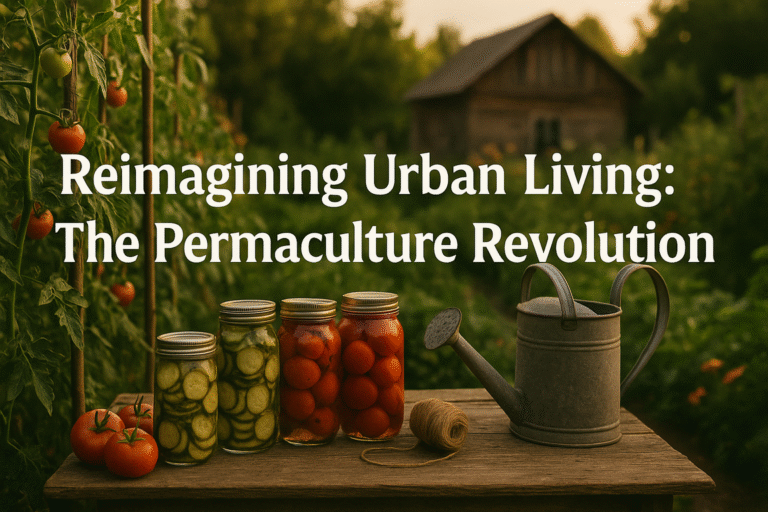
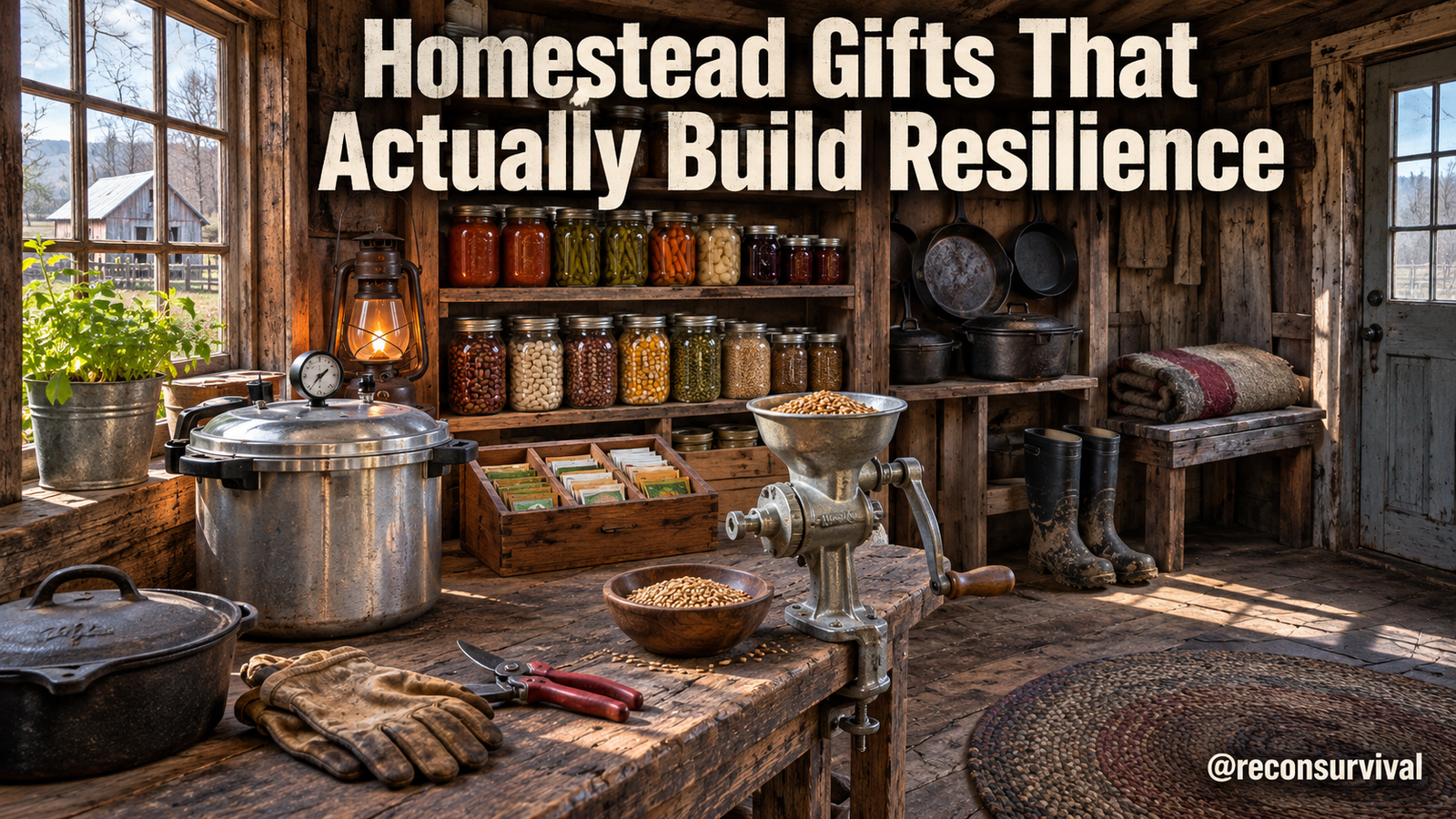
Late November shifts the homestead rhythm. The garden goes dormant, guests arrive, and the kitchen stays busy. A practical gift solves a visible problem before stress makes decisions harder. Before worrying about complex systems, inspect the firewood cover and check feed container lids for damage. A torn tarp or cracked lid leaves stored wood damp and feed exposed to moisture and pests. Fixing these gaps requires a tarp, tape, or a new container lid, not a new gadget. A resilient homestead treats seeds as a renewable asset. A practical gift is a supply of open-pollinated vegetable seeds stored in a dry, cool location, paired with a small seed catalog or a printed planting guide. Open-pollinated seeds allow a grower to harvest and replant from the same family year after year, unlike hybrid varieties that may not grow reliably if saved. If the power fails or a supply run is delayed, the ability to plant and harvest food remains intact. The tradeoff is that these seeds often require more specific planting windows than commercial hybrids. A failure sign is seeds that have not been stored in a sealed container; if they sprout poorly in the spring, the storage method failed, not the variety. For a small backyard, this looks like a tin of tomato or lettuce seeds stored in a cool cupboard, accompanied by a printed guide to the local hardiness zone. A more durable upgrade path involves moving these supplies into a vacuum-sealed pouch with a desiccant packet to extend viability, but the core value exists in the seeds and the knowledge of how to use them. Preservation supplies bridge the gap between a harvest and a year-round pantry. A practical gift includes a set of sturdy glass jars with two-piece lids, a canning funnel, and a reliable heat-stable sealant like vinegar or lemon juice. These items support the action of canning, which preserves food safely by creating an airtight seal that prevents bacterial growth. Heat sterilizes the food and the seal keeps it sterile. A constraint is that these items require a water bath or pressure canner, and the user must follow specific manufacturer instructions for processing times. A realistic failure sign is a lid that pops up after cooling, indicating the seal did not hold. A low-cost option starts with repurposed clean jars and a basic set of tools from a local hardware store. The upgrade path moves to specialized canning lids designed for repeated use with specific processing times for high-acid foods. This choice applies directly to a small homestead where winter storage is limited to the pantry and a cool basement. Tools that repair extend the life of existing equipment. A practical gift is a multi-tool with a screwdriver, wire strippers, and a utility knife, or a specific repair item like a garden hose mender kit. These tools allow a user to fix a broken hose or loose connection immediately, rather than waiting for a replacement part or professional help. The mechanism is immediate utility: a fixed hose keeps water flowing to the garden; a repaired tool keeps the job going. A failure sign is a tool that slips or breaks under load, often due to poor quality or lack of maintenance. A tradeoff exists between buying a cheap, disposable tool and a slightly more expensive, replaceable-part tool that lasts years. For a small homestead, a mender kit solves the common problem of a cracked hose during the winter prep phase. A low-cost option involves a basic mender and a roll of heavy-duty hose tape. The upgrade path is a reinforced hose with brass fittings and a dedicated tool kit for electrical and mechanical repairs. When choosing a gift for a homestead, look for the item that solves a visible problem, requires no complex setup, and has a clear failure sign. Use this checklist to verify the value of a tool, seed, book, or repair item:
- Does it fix a visible problem? (e.g., a cracked feed lid, a dry garden, a leaking hose)
- Is the action simple? (e.g., inspecting a cover, planting seeds, sealing a jar)
- Is there a failure sign? (e.g., damp wood, poor sprouting, popped lid, broken tool)
- Is it durable or repairable? (e.g., open-pollinated seeds, glass jars, multi-tool)
- Does it work without electricity? (e.g., manual canning, hand tools, seed saving)
Do today: Choose practical tools, seeds, books, preservation supplies, and repair items with real use. Start with the first physical check: inspect the firewood cover and check the feed container lids for damage. This single action grounds your preparedness in the reality of your homestead.