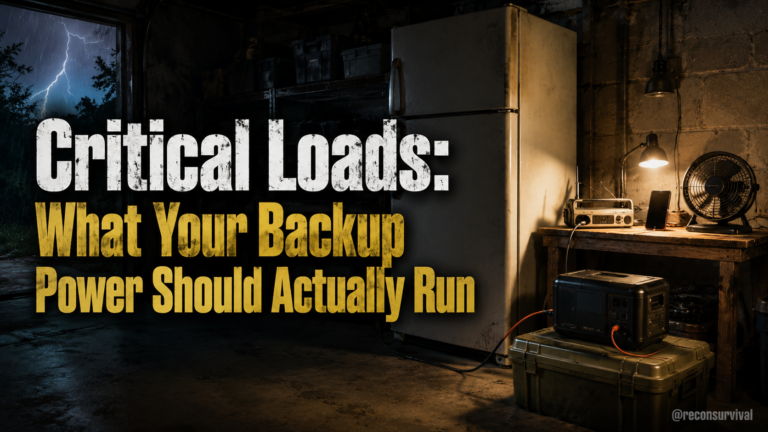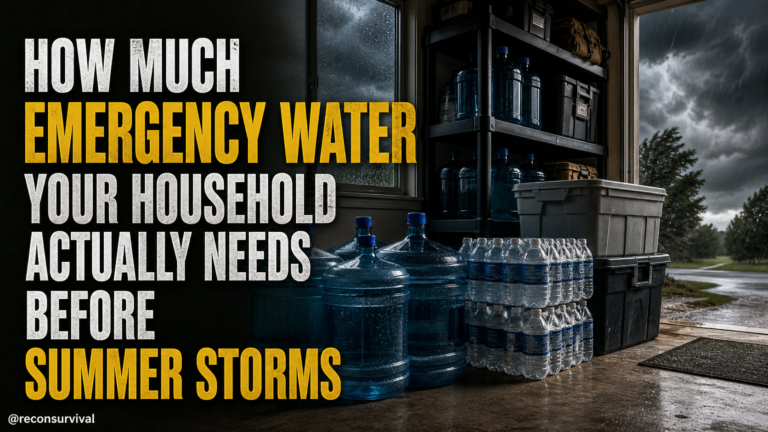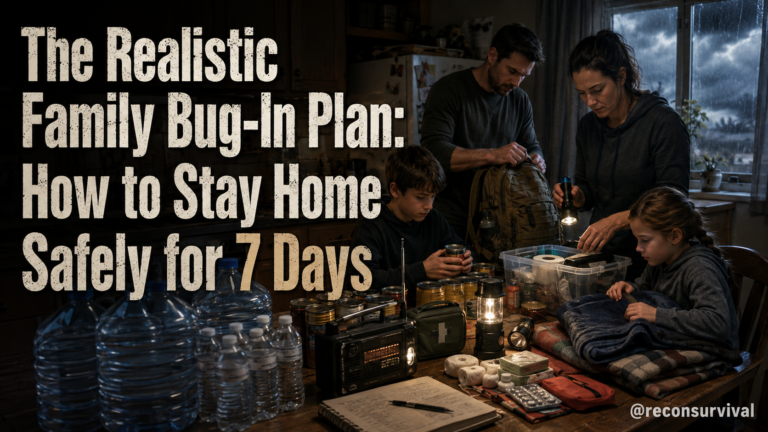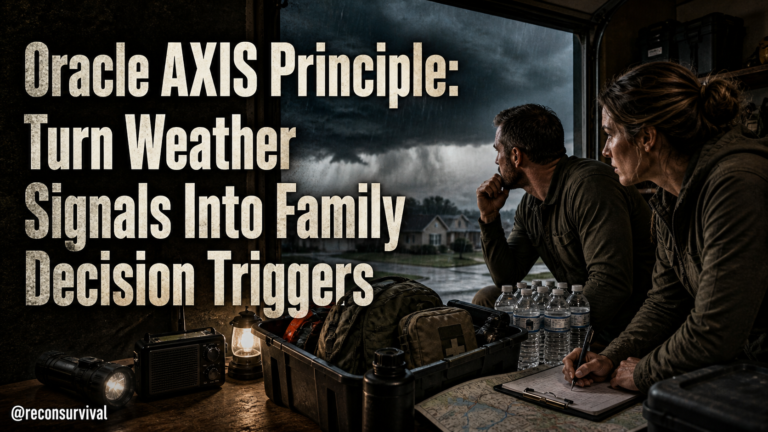
A practical way to connect extreme heat to grid demand, water demand, health risk, and infrastructure resilience, but most advice is either too generic, too gear-focused, or too late.
As an Amazon Associate, I earn from qualifying purchases.
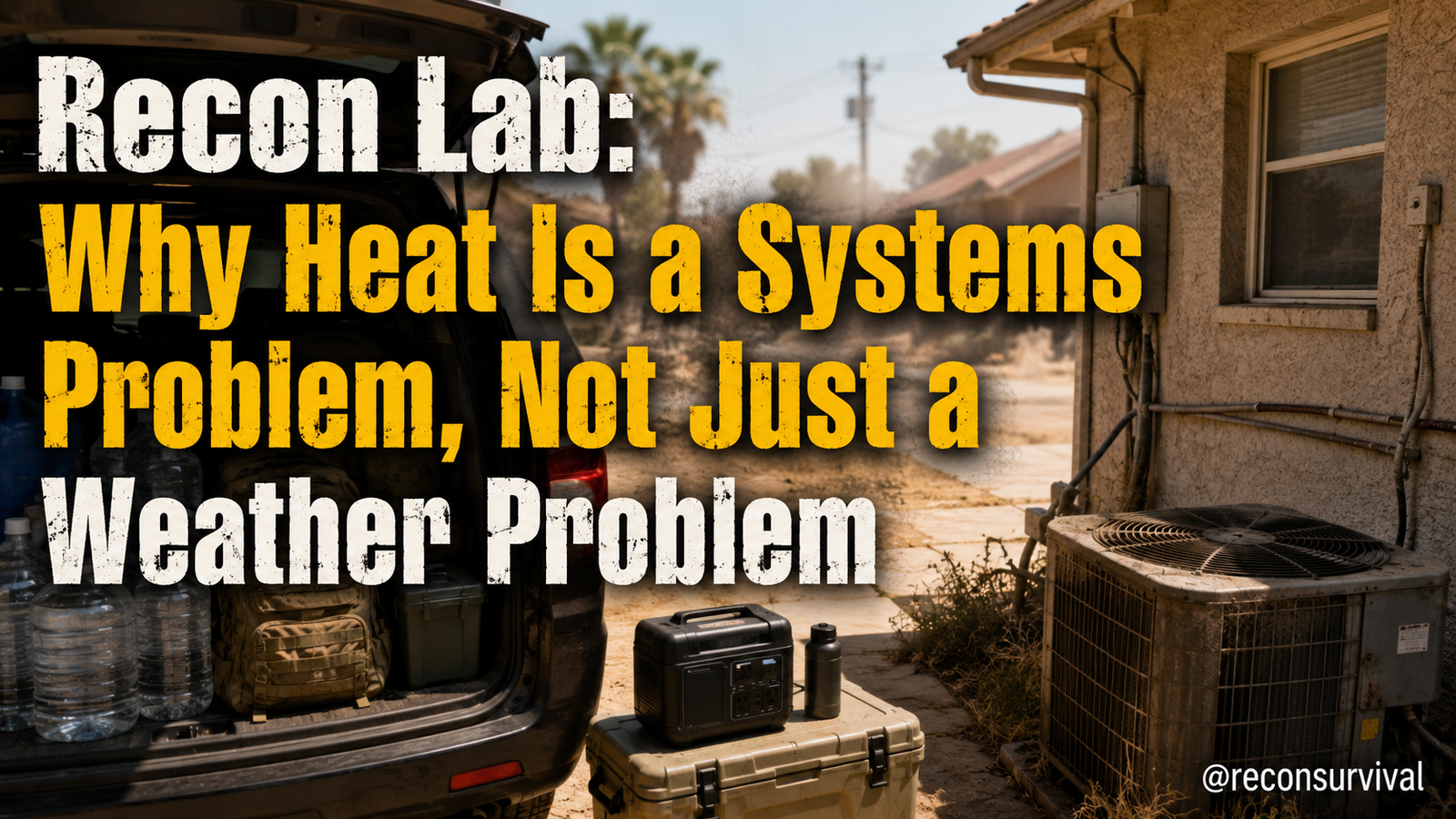
When the mercury climbs and the power grid groans under summer load, the difference between comfort and crisis often comes down to one concept: systems thinking. Most survival advice treats extreme heat as a weather event to be endured, focusing on individual gear or generic hydration tips. The real-world problem this article solves is the disconnect between the heat outside your window and the fragile systems that keep your home livable. When cooling fails, water rationing begins, and health risks spike, the failure is rarely just about the sun. It is a failure of the electrical grid, the municipal water infrastructure, and your personal household plan working in tandem. This is why we must treat heat as a systems problem, not just a weather problem.
Why This Matters for Extreme Heat Readiness
Understanding the link between ambient temperature and infrastructure collapse is essential for maintaining calm under pressure. Extreme heat readiness is not about predicting the exact date of a blackout. It is about understanding how high temperatures create a compounding demand on resources that do not scale linearly.
The air conditioning units in neighboring homes draw power you did not buy. The water pumps work harder when soil temperatures rise, increasing municipal demand. When demand exceeds capacity, outages occur. When water pressure drops, cooling systems shut down to save the network. This creates a cascade effect that turns a hot day into a survival scenario. Fearmongering suggests you will freeze to death or starve instantly; practical readiness suggests that your systems are under load and you must manage demand before they fail. Calm, realistic value-first preparation focuses on early warning and signal awareness. By connecting the heat to grid demand and water scarcity now, you avoid the panic that sets in when the first outage happens. You move from reacting to a crisis to managing a system.
The Most Common Mistake with Heat Planning
The most common mistake people make with this topic is waiting for the news to tell them a heatwave is imminent before taking action. This reactive approach ignores the subtle signals that precede infrastructure stress. Many households wait for the temperature to hit record highs before activating their plans. By then, demand on the grid is already at peak, and water systems are straining. The mistake is assuming that because you have a generator or a bottle of water, you are ready. True readiness involves understanding the decision triggers that indicate a system is under stress before you feel the impact. You must connect extreme heat to grid demand, water demand, health risk, and infrastructure resilience before the heat actually breaks your systems. Waiting until it is too late removes the option to act calmly.
The Recon Survival Practical System
The Recon Survival practical system for connecting these risks involves a holistic view of your household's relationship with public utilities. You cannot treat the power grid or water main as an infinite resource; you must treat them as shared infrastructure with known failure points. This system connects four distinct but related vectors:
- Grid Demand: How much power is required to sustain cooling, and how does neighborhood usage affect your supply? 2. Water Demand: How much water is needed for cooling systems, hygiene, and agriculture, and how does high temperature increase that need? 3. Health Risk: How does the environment affect physiological stability, and how does heat exhaustion escalate during an outage? 4. Infrastructure Resilience: What are the specific weak points in your local utility network that are exposed to thermal expansion or drought conditions?
By linking these four vectors, you create a complete picture of your risk exposure. This approach allows you to see how a drop in water pressure might force your well pump to shut down, which in turn stops your air conditioner, which raises health risk. It is a loop that must be broken through preparation. This is the core promise of the Recon Lab analysis: you will know exactly how to connect these dots and what to do next.
Clear Steps for a Normal Household
Breaking this system into clear steps allows any normal household to implement these changes without overwhelming complexity.
Step 1: Audit Peak Load
Identify the specific appliances that draw the most power and the most water during your hottest hours. If your central air conditioner runs on 50 amps and your water heater is on a separate circuit, an outage means losing both. You need to know which devices can be replaced by passive cooling or manual water conservation. This audit is not about buying expensive gear immediately. It is about knowing your baseline.
Step 2: Map the Local Network
Visit your local utility website or contact your emergency management office to understand your area's known failure points. Are there substations located near flood zones? Is the water treatment plant in a low-lying area? This information is often public and helps you understand the external risks to your local grid and water supply. This is not about predicting disasters; it is about understanding the environment.
Step 3: Establish Early Warning Triggers
Set thresholds for action. A standard advice is to watch the temperature. However, a more precise trigger is the heat index combined with humidity levels. When the dew point rises above a certain level, the risk of heat stroke increases significantly. If you see a forecasted grid alert for your region, activate your water conservation plan immediately. Do not wait for the outage to happen.
Step 4: Diversify Cooling Sources
Do not rely solely on grid-powered air conditioning. Invest in whole-house fans or window units that can be powered by a generator or battery bank. However, ensure you have a plan to ventilate the house when the power goes down, even if it means losing the active cooling. Use cross-ventilation strategies that do not require electricity to manage indoor temperature.
Step 5: Prepare for Water Rationing
Have a plan for when water pressure drops. Store water specifically for hygiene needs, not just drinking. Your shower routine, cooking methods, and laundry habits must be adjustable. If the municipal supply is cut for repairs or due to heat-related pressure loss, you must have a manual method for sanitation.
Future-Facing Ideas in Plain Language
The future-facing idea here is that as our population density increases and our climate changes, the margin for error on these systems shrinks. We are building more efficient homes, but we are also building in denser areas where a single fault can impact thousands of users. The idea is to move from a "survival mode" mentality to a "systems management" mentality. Imagine a smart home that automatically dims lights and cycles fans when the grid frequency drops. While experimental, this concept highlights the direction of resilience: using data to manage demand before supply fails. This is not about technology that does not exist. It is about the principle that we must be ready for a world where public utilities are not always reliable.
Separating what is practical today from what is experimental is crucial. What you can do today is audit your load, set triggers, and store water. What is future-looking involves smart meters, automated demand response, and advanced battery storage. Do not get distracted by the future technology. Focus on the current reality: you have a limited grid connection, a shared water supply, and a vulnerable body. Address these first. The experimental side serves as a goal for long-term improvement, not a requirement for immediate safety.
Recon Survival Principle
Recon Survival Principle
The core lesson of extreme heat readiness is that early warning, signal awareness, and calm household action are the pillars of resilience. This principle connects directly to the Recon Survival mission of Oracle AXIS. Oracle AXIS functions as an early-warning and decision-trigger platform, designed to help households recognize the signals that precede system failure. It does not claim to predict specific disasters. Instead, it provides a framework for monitoring environmental conditions and utility alerts that indicate rising risk. When a heat wave is forecast, the decision trigger is to reduce non-essential load. When grid alerts appear, the action is to conserve water. This calm, structured approach prevents panic. It transforms a chaotic situation into a manageable series of decisions. By integrating this principle into your daily life, you ensure that your household is prepared to function even when public services are strained.
Practical vs. Experimental Actions
It is vital to separate what is practical today from what is experimental or future-looking. Practical today includes manual fans, stored water, and manual water shut-off valves to prevent freezing or overflow. Experimental or future-looking includes smart home automation that might shut off power to specific zones during a storm. Do not invest heavily in experimental tech that cannot run on your current grid connection. Focus on low-tech, high-reliability methods that work without internet or electricity. This ensures that your plan survives even if the digital tools fail. The goal is robustness, not novelty.
Recon Survival Takeaway
The takeaway from this Recon Lab analysis is that extreme heat is a test of your household's systems, not just your will. By connecting the dots between grid demand, water scarcity, health risk, and infrastructure, you gain a strategic advantage. You are no longer waiting for the heat to happen; you are managing the environment that sustains you. The path forward is clear: understand your local utility constraints, prepare for water and power loss, and trust your ability to act on early signals. This is how you maintain resilience in an increasingly volatile climate.
Do Today
- Walk the main system named in the brief and write down the first weak point.
- Assign one person to own that fix before the day ends.
- Check the related supplies, tools, batteries, labels, or documents by hand.
- Put the next review date on a calendar instead of relying on memory.
- Move one critical item to the place where it will actually be used.
- Tell the household what changed and where the updated item now lives.
- Repeat the check after the next outage, storm warning, trip, or schedule change.