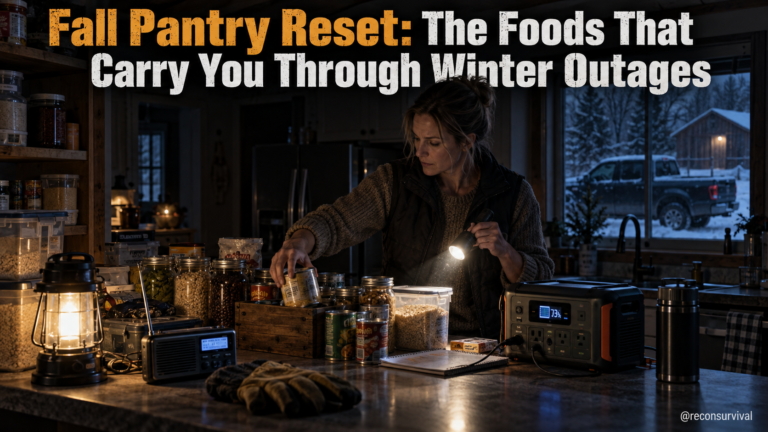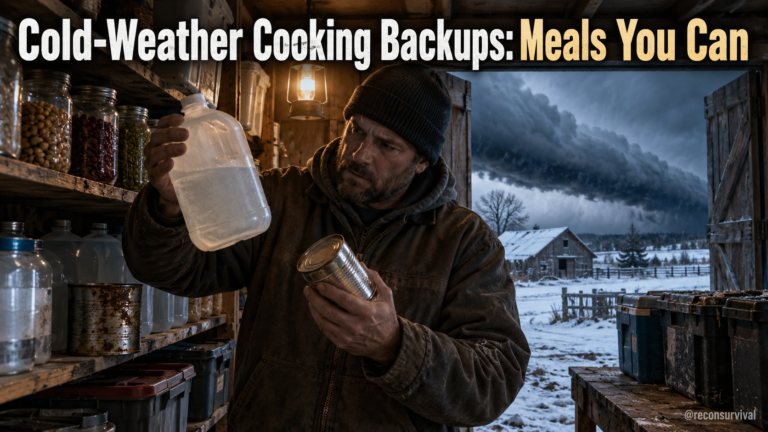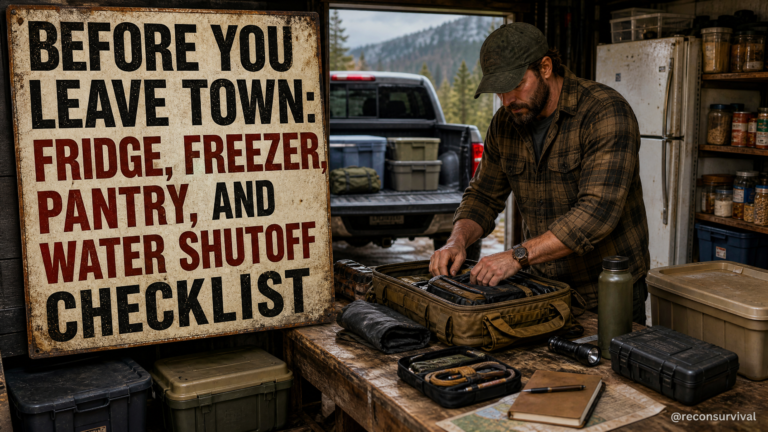
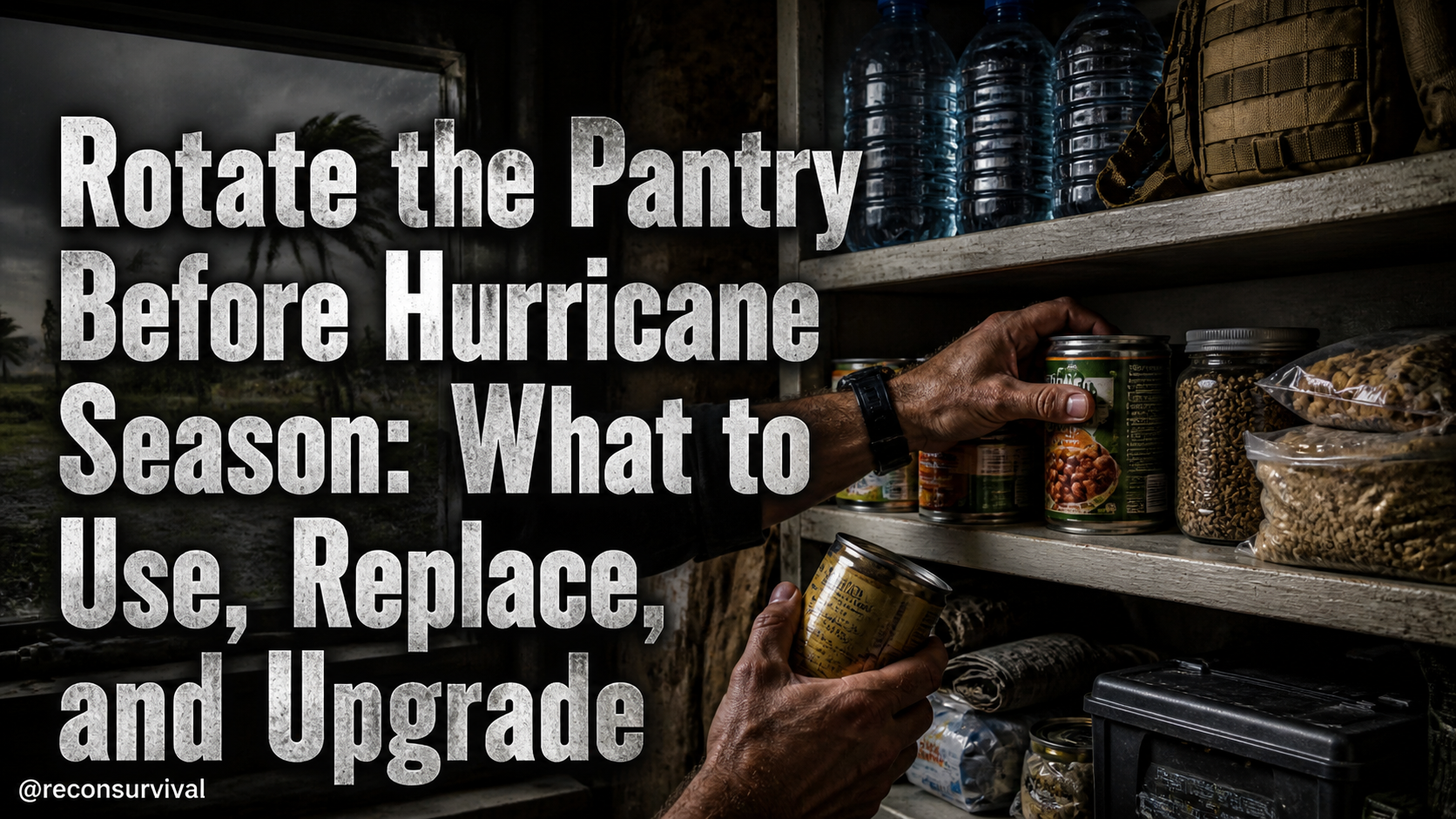
A practical way to check pantry age, calories, water, manual cooking options, and fast meals before panic buying starts, but most advice is either too generic, too gear-focused, or too late.
Late spring brings a specific shift in the operational environment for every household. The humidity rises, the grid faces increased load from air conditioning, and storm systems begin their annual migration. These are not distant threats; they are the current reality of the season. While the news cycle often focuses on immediate events, the practical reality is that the window for calm, deliberate preparation is closing. This article addresses the immediate problem of verifying your food and water assets before they deteriorate or before you are forced into a reactive buying mode. We are not discussing worst-case scenarios today; we are discussing the routine maintenance required to ensure your home can function when the outside world becomes difficult.
The Late-Spring Reality Check
The seasonal context for late April and early May is defined by transition. We are moving toward hurricane season and the intense heat of summer, both of which strain power grids and disrupt supply chains. However, the most critical danger is not the storm itself, but the panic that follows the first major disruption. When the grid flickers or roads close, people do not wait to see what happens in five years; they look in their cupboards and find empty shelves, expired goods, or meals they cannot cook without electricity.
This readiness audit is necessary because it identifies weak points in your daily life before a crisis forces a choice. You do not need fear to prepare; you need facts. Checking the age of your food, calculating your caloric capacity, and verifying your manual cooking options allows you to operate with confidence. If your pantry is a mess of forgotten items and unverified water storage, you are not prepared for summer; you are vulnerable. A calm, realistic assessment now ensures that when the stress arrives, your family has immediate access to nutrition and hydration.
The Critical Mistake People Make
The most common error in food and water storage is treating supplies as passive inventory rather than active assets. Many households maintain a pantry based on a "if it fits, it stays" philosophy, assuming that the items will remain usable indefinitely. This is a dangerous assumption for three primary reasons. First, food has a shelf life that degrades with heat and humidity, even in sealed containers. Second, water quality depends on maintenance protocols, not just initial storage. Third, a supply of canned peaches means nothing if the opener you rely on fails and you have no manual alternative.
People also wait until they see an emergency news alert to check their supplies. By that time, the psychological fog of stress clouds judgment, leading to poor purchasing decisions or the realization that you lack specific items. The mistake is delaying the audit until the pressure is already present. Preparation must be a routine maintenance activity, like changing filters or checking tire pressure, not a reaction to a disaster.
The Recon Survival Practical System
Step-by-Step Pantry and Water Audit
The audit begins with a systematic review of your food storage. Do not simply grab items and eat; you must document the condition and date of every item. Start by removing items that are expired or show signs of damage, such as rusted lids, swollen cans, or compromised bags. Next, categorize the remaining items into three groups: immediate use, six-month reserve, and long-term reserve. Check the dates on all canned goods, freeze-dried meals, and dehydrated staples.
Water storage requires a separate inspection protocol. You must verify that all containers are sealed and that the water inside is clear and odorless. Containers holding water for longer than two years should be rotated out or tested for bacteria if the seal has been broken. Do not rely on visual inspection alone; you must follow established safety guidelines regarding water storage timelines and container compatibility.
Your cooking capability assessment comes next. This involves checking your manual tools. Does your can opener still work? Do you have a manual food grinder or meat tenderizer? Can you prepare meals using a camp stove or wood fire if the kitchen stove is unavailable? Finally, evaluate your fast meal options. These are shelf-stable items that require minimal prep but provide high energy, such as granola bars, nut butters, and dried fruit.
Connecting Supplies to Actual Meals
It is easy to stock food and forget how to use it. The audit must connect your supplies to actual meal planning. A can of soup is not a complete meal if you cannot cook it without a stove. A box of cereal is a meal only if you have milk or an alternative. Review your recipes and identify which ingredients are already in stock and which are missing. If you have rice but no cooking fuel, you cannot utilize that calorie reserve.
Water use must also be analyzed. Calculate the number of people in your household and the number of days you need to survive. Estimate your daily consumption, which typically ranges from four to six gallons per person in a heat-heavy scenario. Ensure your water supply meets this baseline. If you rely on a well, check the pump and filter system. If you rely on municipal water, have you verified that you can store enough water for the duration of a potential outage?
Pantry and Water Checklist for Waste Reduction
Use this checklist to guide your rotation and ensure you are not storing obsolete items. – Inspect all canned goods for dents, rust, or leakage. – Check expiration dates on all dry goods, grains, and legumes. – Test manual can openers and food preparation tools for functionality. – Rotate water supplies older than two years. – Verify that stored water is sealed in approved containers. – Identify one fast meal per person per day using current stock. – Confirm fuel or heat source is ready for manual cooking. – Discard items that are expired or past their prime.
Recon Survival Principle
The Principle of Functional Redundancy: Supplies are only preparedness if they can be accessed and used immediately without relying on modern infrastructure. Your pantry should contain items that require no electricity, no specialized equipment, and no complex preparation steps. If your current situation requires a specific power source to utilize your food, it is not a valid supply.
Final Takeaway
By conducting this audit in late spring, you position your household to handle the upcoming season with clarity. You avoid the panic buying trap by knowing exactly what you have before the grid stress arrives. You ensure that your food is safe, your water is clean, and your tools are working. This calm, deliberate approach builds resilience that can withstand any event.
Do Today
Execute the following actions to complete your readiness audit for the week:
- Walk through your pantry and kitchen cabinets with a pen and notepad to document current stock levels and expiration dates.
- Test every manual tool, including can openers, knives, and food preparation devices, to ensure they are not broken or stuck.
- Locate your water storage containers and visually inspect the seal and clarity of the water inside.
- Remove any food items that are expired or show signs of physical damage such as rust or swelling.
- Check your manual cooking setup, ensuring you have a camp stove, fuel, and utensils ready to use if electricity fails.
- Calculate your total water reserve and determine if it covers your household needs for the next two days without external sources.
- Plan three specific meals that can be prepared using only items currently in your pantry and your existing cooking tools.
Keep the standard practical: if the household cannot find it, use it, explain it, and repeat it under mild stress, the system is not finished. Write the owner and review date beside the item so the fix survives busy schedules, school nights, travel, and the first weather alert.