Start at the Door and Work Backward
Step inside your front door, but do not move into the living room yet. Stand in the entryway and look at the threshold. The problem here is often the first thing to ignite or attract unwanted attention. It is not just the landscaping; it is the combination of dry mulch, loose fencing materials, and animals that may be loose or stressed by the noise outside. In a neighborhood where travel spikes and activity levels rise, a single spark from a nearby firework or an unattended outdoor grill can compromise your safety before you even notice.
As an Amazon Associate, I earn from qualifying purchases.
The Front Porch and Fenceline Perimeter
Walk the perimeter of your property before you look at the house. This is where you will find the most immediate risks from fireworks, visitors, and unattended outdoor systems. Check the fenceline for dry grass or weeds that touch the vegetation inside your yard. If your fence is made of wood or contains gaps, animals can slip through or over, especially when noise confuses them. Look for firewood or debris piled against the fence line; these materials dry out quickly in summer heat and act like kindling.
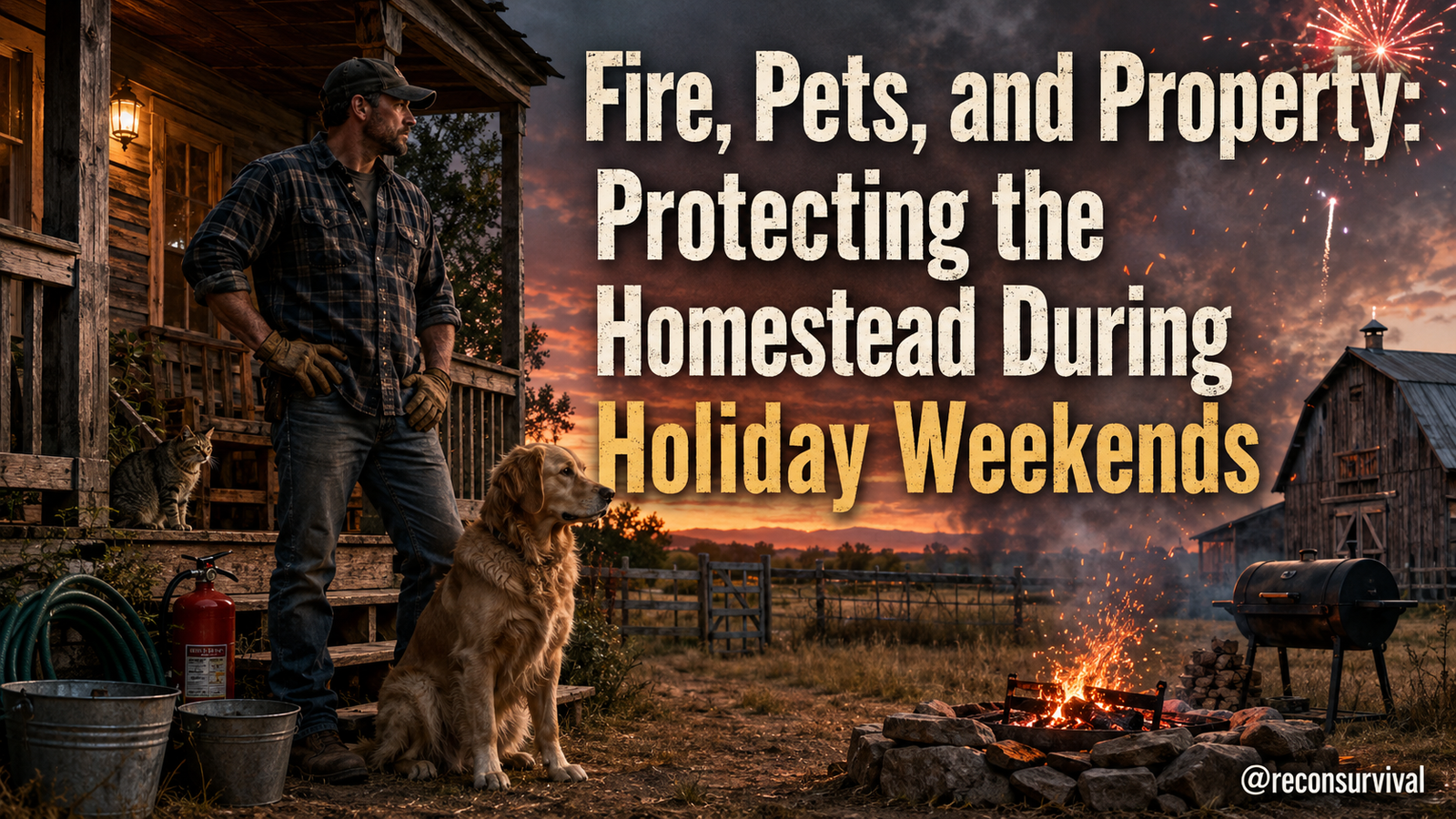
Inspect the area where you keep your pets. Loose animals are a major concern when neighbors are celebrating or when wildlife is drawn to the commotion. Ensure your fences are secure and your pets are leashed or in a safe enclosure away from the street. Check the ground near the porch for unattended grills or charcoal pits. Even if the heat has died down, an embers from a recent cookout can smolder for hours. Move any fuel sources away from the deck railing. If you use propane tanks, ensure the regulator is tight and the line is not kinked or damaged.
Walk along the driveway and the street side of your home. Here, loose gravel or debris can be tracked in or tracked out. If you have a garage, check that the doors are closed and that no tools or equipment are left exposed to the elements. A rusted tool or a loose hose can catch fire if a nearby flame approaches.
Inside the Garage and Utility Areas
Move into the garage or shed. These spaces often contain unattended outdoor systems that people forget about until it is too late. Look at the electrical outlets and switches. If you use extension cords to power small appliances or heaters, ensure they are rated for the load and not running over the floor where a fire could spread. Check the storage for fuel containers. Gasoline, oil, and solvents should be in approved safety cans, stored upright, and away from any heat source or electrical box.
Check your outdoor storage containers. If you use plastic totes, ensure they are clean and dry. Rotting wood or dampness can lead to mold or structural failure. If you keep gardening tools here, ensure the sharpening stones or blades are sheathed when not in use. A loose blade is a hazard to a child or visitor.
Look at the ventilation. If you run a generator or a wood stove, ensure there is at least three feet of clearance to any combustible material. If you use propane for cooking or heating, check the valve for leaks. If you smell gas, turn it off and leave the area immediately. Do not smoke near the garage.
Walk around the interior of the house. Check the windows and doors for loose frames. If you live in an area with high winds or heavy storms, loose window panes can shatter. Secure the screens to the frames. If you have plants inside, move potted plants away from direct sunlight and electrical wiring. Overwatered plants near heat sources can release moisture that interferes with electronics.
The Garden and Outdoor Water Sources
Go outside to the garden. This is where you will find the most combustible materials. Check your garden beds for dry leaves, grass clippings, or straw. These materials can smolder for days if a spark lands on them. Rake or remove them after mowing. If you use mulch, ensure it is not piled too thickly against the foundation. Dry mulch can catch fire easily.
Inspect your irrigation system. If you use sprinklers, check the nozzles for clogs or damage. Broken lines can spray water onto hot surfaces or into electrical boxes. If you have a hose reel, ensure the hose is coiled properly and not stretched over sharp objects or nails. If you use a well, check the pump for proper ventilation and grounding.
Look at the water containers. If you store water in buckets or barrels outside, ensure they are clean and covered. Standing water attracts mosquitoes and other insects that can carry disease. If you have a rain barrel, check the overflow tube for debris. Ensure the spigot is not dripping onto a wooden deck or into a dry mulch bed.
Check your compost pile. If it is dry and hot, it can burn. If it is wet and smelly, it can attract pests. Turn the pile regularly to keep it aerated and prevent spontaneous combustion. If you use a compost tumbler, ensure it is on a stable surface and not near a wall.
The Kitchen and Indoor Systems
Return to the kitchen. This is where visitors often gather and where fires are most likely to start. Check the stove and oven. If you use gas, ensure the valves are tight and the hoses are not cracked. If you use electric, ensure the cords are not frayed or overheated. If you use an air fryer or toaster oven, clean the filters regularly to prevent grease fires.
Check the ventilation hood. If it has a filter, clean it. Grease builds up over time and can ignite. Ensure the light and fan work properly. If you use candles for ambiance, place them in hurricane glass holders away from curtains or papers. If you have a fireplace, ensure the screen is secure and the grate is clean.
Look at the electrical panel. If you notice any sparking or buzzing, turn off the affected breaker. If you have older wiring, consider updating it. If you use surge protectors, ensure they are grounded properly. If you have a microwave or oven, check the cord for damage. If you use a slow cooker or rice cooker, do not leave them unattended.
The Low-Cost and Durable Upgrade Options
You do not need to buy expensive equipment to reduce these risks. Start with what you have. A fire extinguisher costs about twenty-five dollars. Keep one in the kitchen and one in the garage. Ensure you know how to use it. If you have no extinguisher, get one. Do not rely on water alone.
For pets, a sturdy leash and collar cost less than twenty dollars. If you have a loose fence, repair the gaps with wire mesh. If you have dry grass, rake it. These actions are cheap and effective.
For more durable upgrades, install a smart smoke detector that sends alerts to your phone. This costs about one hundred dollars. It is not just an extra sensor; it is a warning system that integrates with your home network. If you have a garage, install a carbon monoxide detectors. These are available for about thirty dollars. Ensure you test them monthly.
If you have a water system, install a pressure relief valve. This prevents pipes from bursting and flooding your property. If you have a gas line, hire a professional to inspect it. This is not a DIY job. If you have a septic system, hire a company to pump it. Do not wait until it overflows.
For your garden, use drip irrigation instead of sprinklers. This reduces water usage and prevents soil erosion. If you use mulch, use shredded bark or straw. These materials are less likely to catch fire.
Recon Survival Principle
The principle is simple: reduce risk before the stress makes it harder. Do not wait until the noise starts or the firework lands. Do not wait until the power goes out. Do not wait until the animals get loose. Prepare your home and yard now. Make the safety checks a habit. If you do not know how to use your tools, learn. If you do not know how to use your systems, read the manuals.
Do Today
Follow this checklist to reduce risks from fireworks, visitors, loose animals, dry grass, and unattended outdoor systems.
- Walk the fenceline and rake dry grass or weeds away from the foundation and the street side.
- Inspect your pet enclosures and ensure all gaps are less than six inches wide. Leash pets if they are loose.
- Move any fuel sources, including propane tanks and charcoal, away from the house and deck.
- Check your garage for stored fuel, tools, and extension cords. Store them properly.
- Clean your ventilation hood and filters. Ensure the fan and light work.
- Test your smoke detectors and carbon monoxide detectors. Replace batteries if needed.
- Inspect your irrigation system and repair any leaks or damaged lines.
- Turn off any gas lines that smell like fuel.
- Move potted plants away from electrical boxes and direct sunlight.
- Review your insurance policy to ensure it covers the specific risks you face.
Complete these steps within the next hour. Then, observe your property again from the street. If you see a problem, fix it. If you need help, call a professional. Do not ignore the small issues. They grow into big problems if left unchecked. Your home is your refuge. Protect it now.