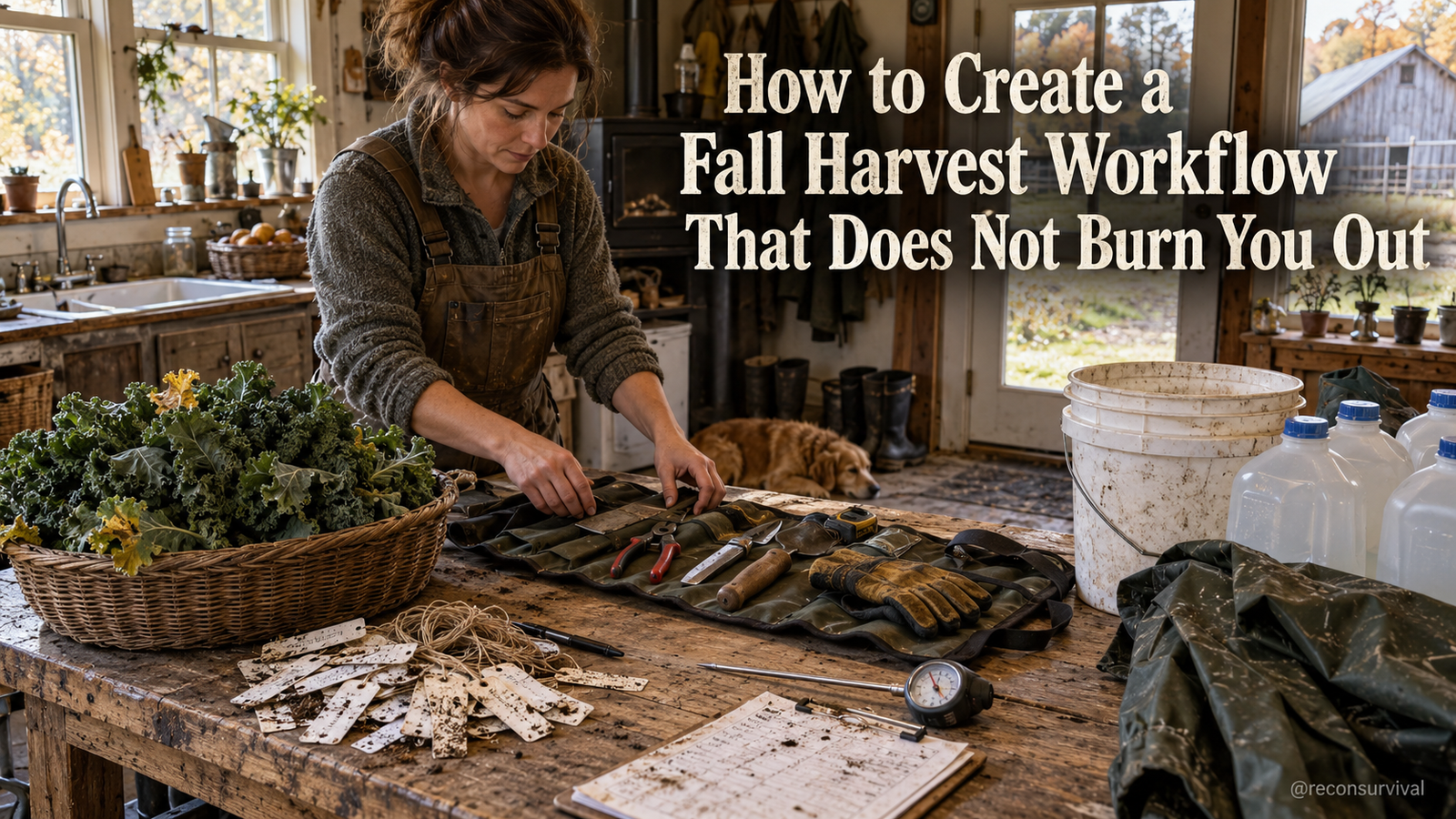
The kitchen table is currently buried under a single basket of kale and a pile of dirty harvesting tags. You haven't even finished the first load, and the pile of unprocessed greens is already threatening to take over the rest of the countertop. This is where the burnout begins – not in the field, but in the choke point where the harvest exceeds the processing capacity. If you wait until the first frost hits to decide how to handle a week's worth of carrots, you are already behind.
The Kitchen Prep Station
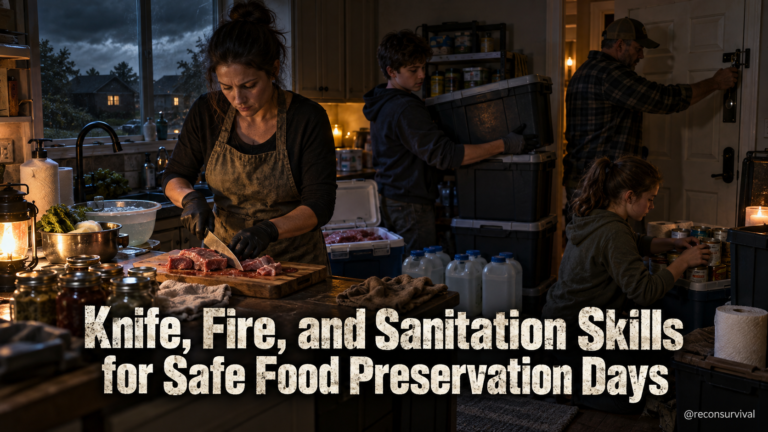
Before you walk back outside to the rows, you must assess the prep station. The first mistake home gardeners make is assuming that "harvesting" ends when the knife hits the stem. In reality, the workflow is not complete until the food is cleaned, prepped, and stored.
In your kitchen prep station, look for a bottleneck. Is your sink clogged with muddy beets because you washed too many at once? Is the drying rack full of parsley that is starting to wilt? The system you need here is not more effort, but a staggered approach.
When you pull a harvest, do not take everything to the sink at once. Take a small batch, wash it, and immediately move it to the storage zone. If your washing station is small, your harvest volume must be small. If you try to process a full garden's worth of root vegetables in one afternoon, you will end up sitting at the kitchen table at 8 PM, exhausted and with a pile of unwashed produce taking up your dining chair.
Inspection Checklist for the Kitchen:
- Sink Capacity: How many batches can you wash before the water gets cold or the sink overflows? * Counter Space: Do you have enough clear surface to chop and sort before moving items to storage? * Labeling Station: Are your markers, tape, and labels within arm's reach of the prep area?
The Cold Storage Zone
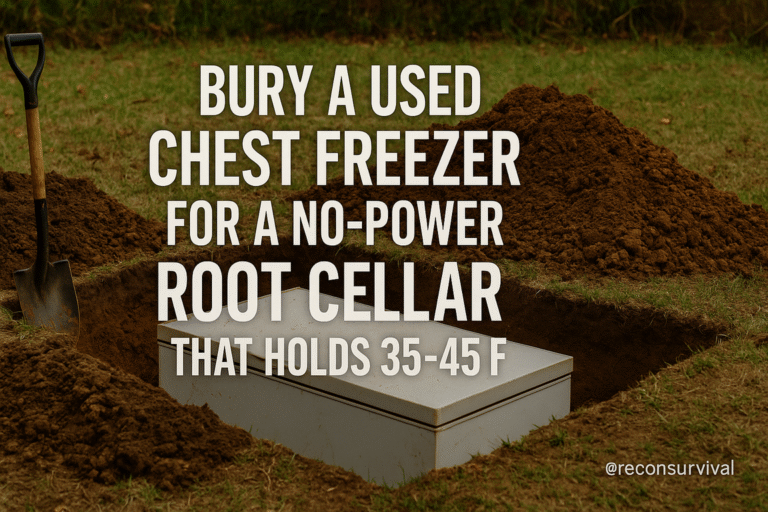
The cold storage zone is the next critical stop in your workflow. This is where the "realistic household capacity" comes into play. Many gardeners harvest a massive haul of apples, potatoes, and squash, only to realize they have nowhere cold and dry to put them.
When inspecting your cold storage, you must be honest about your space. If your root cellar is full, your harvest plan must stop there. You cannot store what you cannot keep safe. If your refrigerator is already packed with leftovers from the week, you cannot add a bulk harvest of winter squash without risking spoilage or spoilage of the existing food.
The mistake here is treating storage as an infinite void. It is not. You must plan your harvest volume to fit the physical space you have. If you have only one shelf of cold storage, you do not harvest for two. You harvest for one, and then you rest.
Inspection Checklist for Cold Storage:
- Capacity Count: How many bushels or crates can actually fit in your designated cold area? * Temperature Stability: Is the temperature consistent, or are you relying on a fluctuating garage? * Airflow: Can you stack items without suffocating them, or do you need more shelving?
The Garden Row End
Finally, you must inspect the garden row itself. This is the origin point of the workflow. The most common error is harvesting everything at once because the weather is perfect one day. This creates a "feast or famine" scenario where you are overwhelmed for three days and then have nothing to do for the rest of the week.
A resilient system dictates that you harvest in waves that match your household's ability to process. If you can only process five pounds of greens per day, do not harvest twenty pounds because the sun is shining. Leave the rest in the ground for the next cool evening. This approach respects your energy levels and ensures that the food you do harvest actually gets eaten or preserved before it spoils.
Inspection Checklist for the Garden:
- Harvest Volume vs. Processing Rate: Can you match the amount picked to the amount you can process in a single session? * Staggered Timing: Are you leaving some crops for tomorrow, or are you trying to get it all done today? * Rest Periods: Have you scheduled a day with no harvesting to allow for recovery and processing of the backlog?
Recon Survival Principle
The Recon Survival Principle for fall harvest is simple: Capacity dictates volume.
In a high-pressure environment, the assumption that "more is better" leads to failure. A system that cannot sustain its own weight will collapse. Whether it is your kitchen counter, your root cellar, or your own physical energy, the limiting factor is the capacity of the household, not the abundance of the garden. By aligning your harvest volume with your realistic processing capacity, you eliminate the bottleneck that leads to burnout. You do not need to harvest everything today; you only need to harvest what you can process today.
Do Today
Stop looking at the full garden as a single unit to be conquered. Today, identify one specific crop that is ready. Harvest exactly the amount you can wash, chop, and store in your next single session of work. Then, stop. Leave the rest of the crop in the ground. This single action resets your workflow from "overwhelmed" to "managed."