When the Garden Teaches You the Difference Between Hope and a System
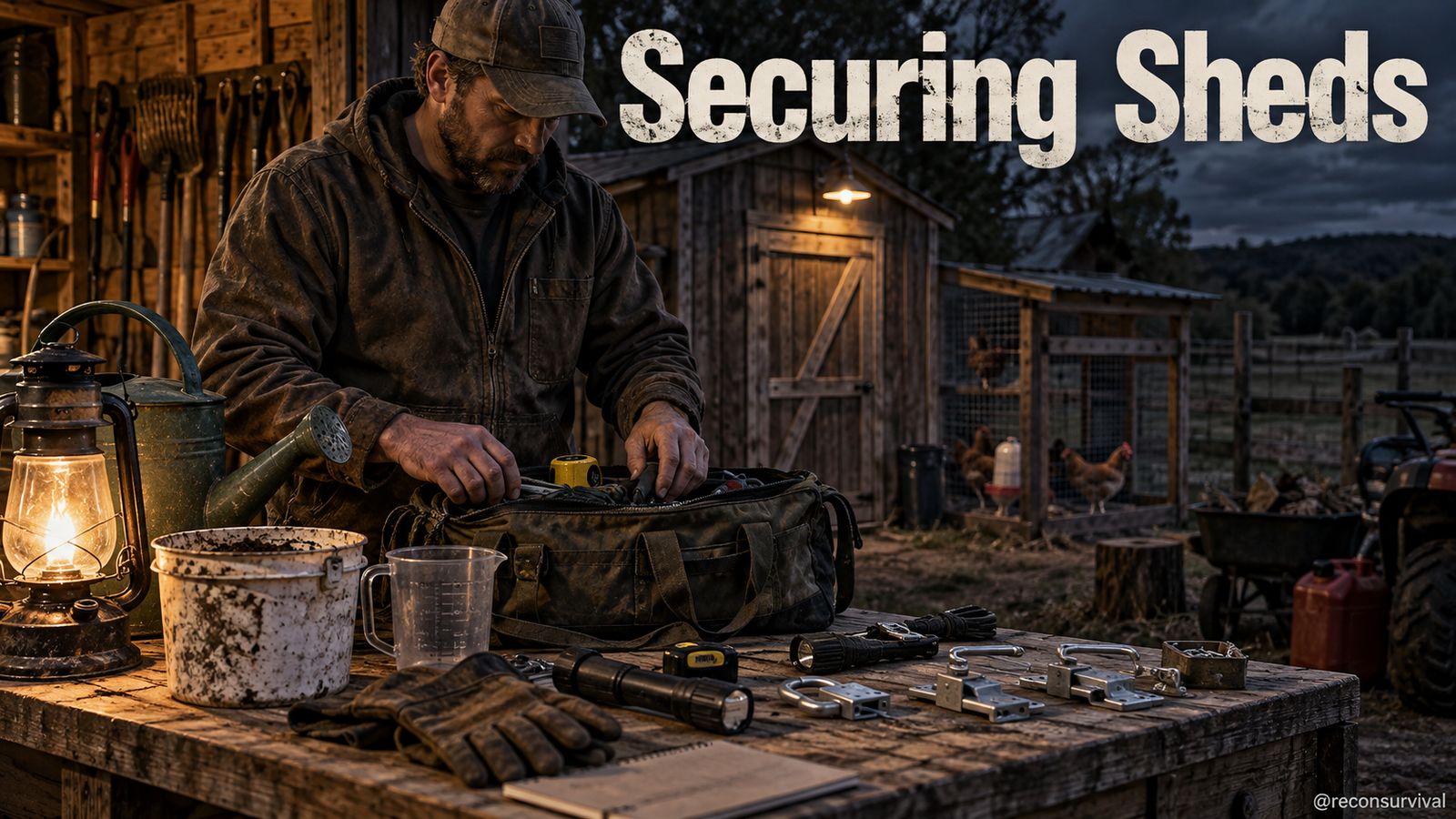
If this happened tonight, would your household already know how to handle it? Evenings are getting longer. The days shorten, and the time for outdoor work shrinks. For many households, the evening transition brings a shift in how we manage outbuildings, fuel, and tools. Most advice found online falls into two traps: it is too generic, offering vague "be safe" warnings that don't translate to a driveway at dusk, or it is too gear-focused, pushing expensive cameras or alarms that require days of setup when the sun is already low. The real-world problem is timing. Many people wait until a storm is forecast or a break-in is reported before they check their sheds and coops. By then, the dark has already settled, and the routine required to secure these spaces has been interrupted by stress. <p class="rs-affiliate-disclosure"><em>As an Amazon Associate, I earn from qualifying purchases.</em></p>
As an Amazon Associate, I earn from qualifying purchases.
Why Visibility and Routine Matter More Than Gadgets
Home hardening before the dark season isn't about fortifying against an invasion. It is about managing the practical risks that rise when visibility drops. As evenings lengthen, the time when people are home but still moving between indoor comfort and outdoor chores becomes critical. A shed left open, a tool left in the grass, or fuel stored in direct sunlight introduces hazards that darkness amplifies. When a homeowner turns on a porch light and steps out, the difference between a secure night and a risky one often comes down to two factors: what is visible, and what is in its place. # The Most Common Mistake: Waiting for a Reason to Act
The most frequent error is waiting for a specific trigger. People often think, "I'll secure the shed when it gets colder" or "I'll fix the coop latch when I have a weekend."
This approach fails because the trigger never comes at the right time. Winter storms, sudden equipment failures, or unexpected visitors do not wait for a convenient weekend. By the time the reason to act presents itself, the darkness is already deep, and the decision-making capacity for safety is lower. Security is a routine, not an event. If you treat it as a task to be done only when you feel the first chill, you miss the window where simple maintenance is easy. The mistake is believing that the threat defines the timeline, rather than the calendar doing the work. # The Recon Survival System for Darker Nights
The system for improving outbuilding and homestead security relies on a single physical check that beats a generic reminder. It anchors the habit in a specific, actionable detail that requires no special tools or expensive upgrades. The core action is: Date the current fuel can and move it to a shaded, labeled storage spot. This action works because it forces a full inspection of the storage location. To move the fuel, you must open the door, check the condition of the container, verify the storage spot, and ensure the path is clear. It transforms a passive "lock up" into an active verification of the environment. If you are doing this correctly, the fuel is stored in a shaded spot, away from direct sunlight, which preserves fuel quality and reduces heat buildup risks. The can should be dated so you know exactly when it was last filled, preventing the use of old, unstable fuel later. The spot must be labeled so that in the dark, you can find it without fumbling. # Steps for a Normal Household
This system breaks down into a sequence anyone can follow, regardless of the size of their property. Always follow the manufacturer's instructions for handling fuel and equipment storage. 1. Identify the Current Fuel Location. Find the gas can or propane containers currently sitting in your shed, garage, or tool coop. 2. Check the Label. Look for the fill date. If there is no date written on the can, write the current date on it now. 3. Inspect the Storage Spot. Ensure the spot where the fuel sits is shaded. Direct sunlight can heat the fuel, increasing pressure inside the can and degrading the gasoline. If the can is in a hot spot, it needs to move. 4. Move and Label. Place the can in the shaded spot. Write the date clearly on the can with a permanent marker or on a label attached to it. 5. Secure the Surroundings. Check that the door or latching mechanism on the shed or coop is working. Ensure no tools are blocking the path to the fuel. A realistic failure sign is finding the fuel can empty, cracked, or stored in direct sun. If the date is missing, you cannot determine the fuel's age, which is a critical safety factor for generators or equipment. # Small Backyard vs. Small Homestead
This routine applies whether you have a single garden bed or a sprawling rural property. In a small backyard, the "storage spot" might be a specific shelf in a garden shed or a dedicated corner of a tool rack. The goal is the same: a designated, shaded, labeled spot that is accessible at dusk but not in the sun. The small footprint means you can see the whole area from your back door, making the visual check easier. For a small homestead, the scale increases, but the logic holds. You might have a fuel depot for a tractor or a dedicated tool barn. The principle of dating and shading applies to every container. In a larger setup, the "labeled" step becomes even more critical. A sign on the barn door or a large label on the storage bin ensures that family members or helpers can locate the fuel quickly in low light without guessing. In both cases, the "security" comes from the consistency of the location. If the fuel is always in the same shaded spot, you know where it is, and you know it is safe. If it is moved to a random spot, you risk leaving it in the sun or losing track of it in the dark. # Options: Low-Cost and Durable
You do not need to spend money to start this security upgrade. The low-cost option is using a permanent marker and a piece of tape or a piece of cardboard to create a label. You can move the fuel can by hand to a spot under a tree, a shelf, or a building overhang. The action takes a few moments and requires no purchase. The durable upgrade path involves installing a dedicated storage cabinet or a covered rack specifically for fuel containers. These units often come with ventilation and weatherproofing. If you choose this path, you must still apply the dating and labeling rule. Even with a fancy cabinet, if the fuel inside is old or the date is unknown, the safety benefit is lost. The upgrade protects the container, but the routine protects the user. # The Recon Survival Takeaway
Security before the dark season is not about building a fortress. It is about establishing a reliable routine that handles the most basic risks: sun-exposed fuel, lost tools, and dark, cluttered paths. When the evening light fades, your ability to navigate safely depends on knowing exactly where your critical items are. By dating and relocating your fuel, you create a system that works regardless of how dark the night gets. This simple act shifts your mindset from reactive to proactive, ensuring that when you step out at dusk, you are ready. # Tonight's Action Checklist
- [ ] Find the current fuel can. – [ ] Write the current date on the can. – [ ] Move the can to a shaded storage spot. – [ ] Verify the shed or coop door latches securely. – [ ] Clear any tools blocking the path to the fuel. If this happened tonight, would your household already know how to handle it? The date on the can answers that question for you.