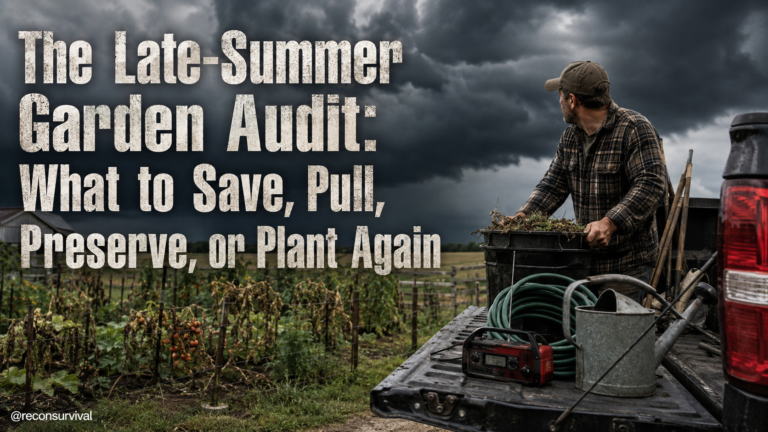

Late October marks the window when water systems should be prepared before freezing weather sets in.
As an Amazon Associate, I earn from qualifying purchases.
Most households wait until the first warning comes on the news, by which time stress makes the decisions harder. This article solves a specific problem: people store food first, but water is usually the real limiting factor when the cold hits. The practical approach is to prepare home water systems and household routines before freezing weather begins, while you still have time and supplies. Water damage from frozen pipes is a common outcome because people assume the indoor water supply will remain liquid indefinitely. When the temperature drops, the water inside pipes expands. If it cannot move, it exerts pressure until the pipe bursts. The result is a leak that can damage flooring, drywall, and personal property before the water supply is even interrupted. The most common mistake is waiting for the cold snap to start before checking the system. People often focus on insulation and forget the immediate access points required to stop the flow. This delay turns a quick adjustment into a frantic search for a wrench or a shutoff valve while water is already spraying. The Recon Survival practical system relies on three core actions: verifying equipment placement, securing the water supply, and preparing household routines. Start by reading the heater label and checking that its intended location matches the instructions. A heater placed in a drafty area or without proper clearance may fail when it is needed most. This first physical check beats a generic reminder because it confirms the equipment will function in your specific environment. Once the heat source is verified, address the water supply. Locate the main water shutoff valve for your home. This is the single point that stops water flow to the entire house. Test the valve by turning it clockwise until it stops, then count to five before turning it back counter-clockwise to ensure it does not seize up. A valve that sticks during a test will likely fail when you need to use it during an emergency. If the valve does not turn smoothly, replace it or call a plumber before the freeze arrives. Next, prepare for the possibility of losing the main water line. Fill rigid containers with water to create a stored supply. Use food-grade containers designed for water storage, and keep them sealed to prevent contamination. Label the containers with the date they were filled. This creates a buffer for drinking and basic hygiene while you wait for external systems to recover or for repairs to be completed. Household routines must adapt to conserve this limited supply. If the water shuts off, switch immediately to non-potable uses for the toilet. Flush less often, or place a bucket of water next to the bowl to pour manually. Keep one or two portable water containers filled with water from your stored supply for drinking. Move hot meals to the dining table and avoid cooking on appliances that require continuous water flow if you are uncertain about the supply status. Safety is the primary constraint. Do not use outdoor cooking devices, grills, or camp stoves indoors under any circumstances. These appliances produce carbon monoxide, a colorless and odorless gas that can kill a household in minutes. Ensure carbon monoxide alarms are installed and have fresh batteries. Check the weather forecast and local emergency management guidance for specific freezing warnings, as local conditions vary. The following checklist organizes these actions into a sequence you can follow immediately. <p class="rs-affiliate-disclosure"><em>As an Amazon Associate, I earn from qualifying purchases.</em></p>
Freeze Readiness Checklist
- Verify Heat Source: Read the label on your heater. Confirm the location matches the manufacturer's instructions for clearance and ventilation. * Test Shutoff: Locate the main water shutoff valve. Turn it to ensure it moves freely and shuts off water flow. Return it to the open position. * Store Water: Fill food-grade containers with water. Seal and label them. * Conserve Supply: Identify one container of stored water for immediate drinking needs. * Safety Check: Verify carbon monoxide alarms have working batteries. Ensure all fuel-burning devices are strictly for outdoor use. * Local Guidance: Check the National Weather Service or local emergency management for current freezing forecasts. This plan is designed to be executed over a few days, not in a panic. Start today by checking the heater label and the shutoff valve. This week, fill your water containers and test your alarms. Later this season, keep an eye on the weather forecast and top off your water supply if you use any. ## Final Action Step
Pick up your tools today and verify the main water shutoff valve. Ensure it turns smoothly and stops the water flow. If it sticks, replace it now. This single action prevents the most costly damage from a burst pipe during a freeze.