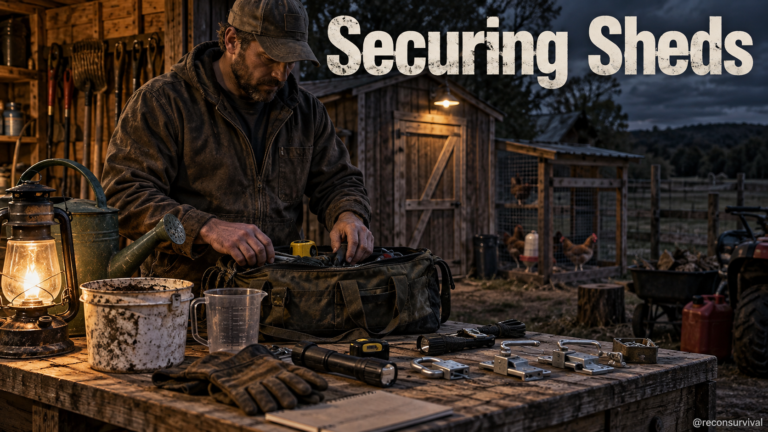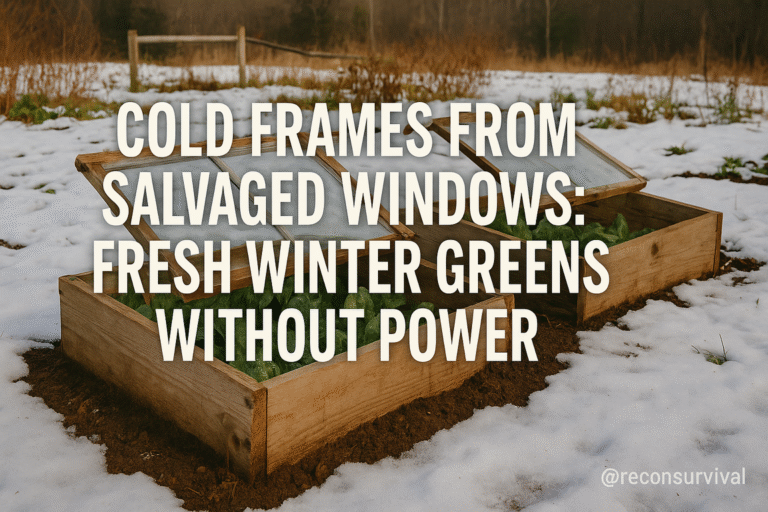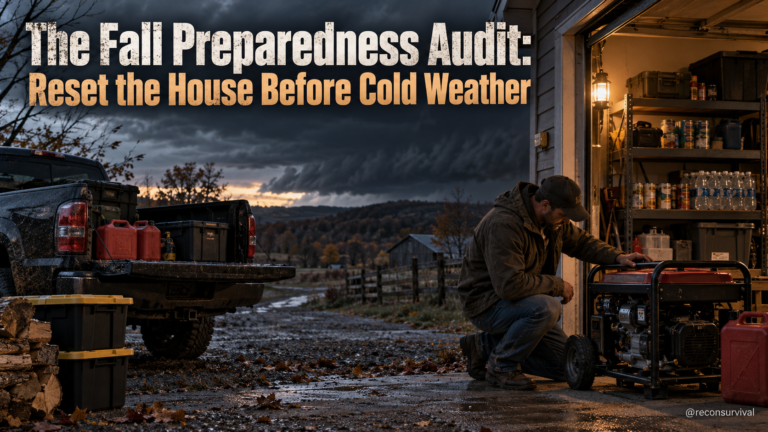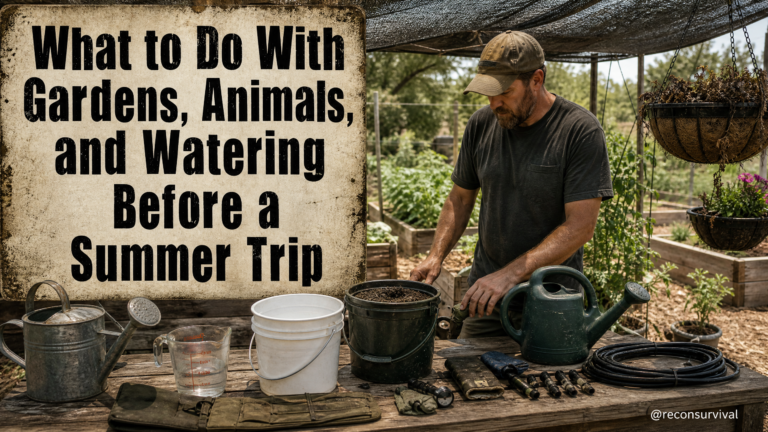

Inspect the firewood cover and check the feed container lids for damage. Begin where fuel and animal supplies enter the daily routine, then follow the route to water, shelter, and tools. Cold-weather preparation is easier to finish when each stop ends with a visible task and a named owner.
As an Amazon Associate, I earn from qualifying purchases.
A walk-through should fit your actual property. A small garden, a barn, and a backyard animal enclosure have different needs. Use the route to find your own weak points instead of applying the same winterization treatment to everything that holds water or uses fuel.
Look at Firewood as a Working Supply
Check the cover, stack supports, and path to the woodpile. Look for places where rain collects or the cover has slipped. Keep the stack stable and arranged so the wood you intend to use is accessible without pulling unstable pieces from the bottom.
Record which wood is ready for the heating appliance and which still needs assessment or drying. Follow the appliance's requirements for fuel condition. Moving wet wood under a cover does not instantly make it suitable to burn.
Walk the carrying route to the house. Notice gates, uneven ground, poor lighting, and objects that will become harder to see in darkness or snow. Move loose tools to their storage locations. Keep the indoor fuel arrangement within the heating equipment's instructions and away from the escape route.
Inspect Feed Storage Before Buying More
Check lids, seals, packaging, and the storage floor. Look for moisture intrusion, pest damage, and spills that need cleaning. Keep feed handling tools with the containers so daily chores do not depend on finding a scoop in another building.
Separate feed with signs of contamination from usable supplies and ask an appropriate veterinary or agricultural professional what to do with it. Do not mix suspect feed into the good stock to avoid waste. Follow storage guidance for the feed and animal species involved.
Write the actual feed type and normal supplier on a card. Match your purchasing plan to what the animals use. A pile of unfamiliar feed is not a useful substitute for knowing which supply runs out first or who can obtain a replacement.
Check Shelter Without Closing Off Every Opening
Inspect gates, latches, roofing, drainage, and areas where bedding or water collects. Note damaged hardware that could make routine animal access difficult. Keep paths clear for both daily chores and any assistance the property may need.
Balance shelter from weather with the ventilation requirements of the building and animals. Do not seal every opening because cold weather is approaching. Get species-specific advice when the right arrangement is unclear.
Check where clean bedding and routine supplies are stored. Move them to usable locations and arrange access so the daily caretaker can manage the normal load safely. Write down tasks that require help instead of leaving them as assumptions.
Winterize Water Equipment According to Its Design
List hoses, irrigation components, rain barrels, pumps, and animal-water systems separately. Find the manufacturer's instructions or qualified service guidance for each. Seasonal equipment may require draining or storage, while an active water system has different protection needs.
Do not assume that filling a container to capacity protects it from freezing. Do not disconnect or drain an active household or animal-water supply without a plan to maintain necessary access to water. Follow the requirements of the specific equipment.
Mark components that need professional work and schedule it before access becomes difficult. Keep the relevant instructions and service contacts together. If a frost-protection plan relies on electricity, include what happens during an outage rather than treating the heater as a complete solution.
Put Tools Away for the Conditions They Will Face
Clean and inspect hand tools before storing them. Give each frequently used tool a consistent location. Replace damaged handles or missing parts through the appropriate repair process rather than postponing the issue until a dark, wet chore day.
For powered equipment, follow the manufacturer's storage and fuel instructions. Different machines have different requirements; do not apply a blanket rule to drain all fuels or additives. Keep manuals accessible and record the next maintenance task beside the equipment name.
Check exterior lighting and the route used for early or late chores. Keep a working flashlight where it can be reached before stepping outside. The route to supplies is part of their usefulness.
Do Today
- Inspect the firewood cover and feed-container lids.
- Clear the carrying route and return loose tools to storage.
- Separate damaged or contaminated supplies for proper assessment.
- Check shelter latches, drainage, and ventilation needs.
- Find the winterization instructions for each water system.
- Record the repairs, purchases, and professional appointments still needed.
Finish the walk at the household work list. Assign each unresolved item and identify what must be ready before the weather changes. The value comes from closing those tasks, not from making the inspection sound more complicated.