Read the heater label and check that its intended location matches the instructions. A working burner is not enough to establish a safe backup. The equipment, its installation, the room, the fuel, and the household's ability to leave all belong in the plan.
As an Amazon Associate, I earn from qualifying purchases.
Start this inspection while normal heat is available. That gives you room to stop, find a manual, arrange professional service, or choose another place to stay. An outage is a poor time to discover that the equipment in the shed was never intended for the house.
Identify the Equipment Before Choosing a Room
Write the manufacturer and model on a paper equipment card. Find the operating instructions for that exact unit. Note its intended use, required installation, permitted fuel, clearances, and restrictions. Keep the instructions with the card where they remain accessible without internet service.
Outdoor cooking equipment does not become an indoor heater because a window is open. Keep outdoor equipment outdoors. Do not substitute a grill, camp stove, or improvised burner for a household heating appliance.
If the label is unreadable, the model is unknown, or the instructions are missing, do not assume the equipment is suitable. Resolve those questions before treating it as a backup. A device bought secondhand may also need professional assessment before use.
Check the Installation and Its Dependencies
List everything the proposed heater needs to work as intended. A fuel-burning appliance may still depend on powered controls, a blower, or an installed venting system. Confirm those dependencies through the manual and a qualified professional rather than assuming that having fuel means having usable heat.
Arrange inspection of installed fuel-burning heating equipment, chimneys, and vents by an appropriate professional. Do not modify an exhaust connection, bypass a sensor, or improvise an indoor vent from a hose. A household walk-through can identify an unresolved problem; it does not substitute for installation or service expertise.
Write any open question beside the equipment name. If the device depends on electricity, mark that dependency on the card. If service is required, record who will arrange it and keep the unit out of the backup plan until the issue is resolved.
Clear Space Without Blocking the Exit
Measure the proposed location against the manufacturer's requirements and current official safety guidance. Check furniture, bedding, curtains, clothing, and the objects people normally set down nearby. Include the space behind the heater rather than judging only what you can see from the doorway.
Walk from the seating and sleeping areas to the exit. A heater, cord, fuel container, or protective barrier should not turn that route into an obstacle course. Avoid placing the setup where children or pets can accidentally contact it.
Use the equipment's instructions to decide when it must be switched off. Do not leave a portable heater operating while sleeping. A warm room does not justify operating a device outside its restrictions.
Check Alarms as a Separate Household System
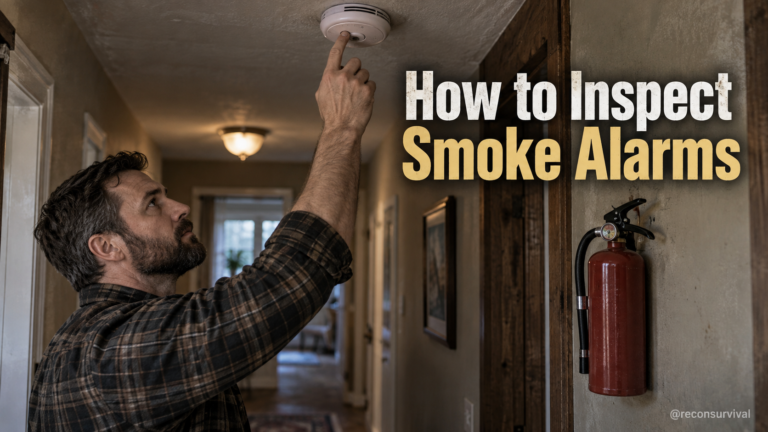
Inspect smoke and carbon monoxide alarms, including the power arrangements they need during an outage. Test them according to their instructions. Keep working batteries installed where required; spare batteries stored elsewhere are not a replacement for powering the alarm.
An alarm does not certify that a heater is safe or that its venting is correct. If a carbon monoxide alarm sounds, move everyone to fresh air and contact emergency services. Do not stay inside to troubleshoot the appliance.
Treat Fuel Storage as Its Own Task
Check the permitted fuel and storage requirements for the equipment. Use suitable containers and follow local requirements for the fuel involved. Keep fuel away from ignition sources and household escape routes. Separate damaged or leaking containers from usable supplies and obtain appropriate disposal advice.
Do not use a damaged container merely because you moved it outside. Do not substitute another fuel when the specified one is unavailable. Shut down equipment and allow it to cool as directed before refueling.
If a generator supports the plan, follow current official guidance for its outdoor location and operation. Never run it in a house, basement, shed, or garage. Its exhaust and the building's openings need to be considered together; a cracked door is not a ventilation plan.
Establish a Fallback Before Heat Is Needed
Identify where the household can go if the backup cannot operate safely. Confirm how you would travel there and who may need assistance. Keep essential medications, contacts, and suitable clothing accessible.
Warm clothing and bedding can help while arranging the next step, but they do not make a dangerously cold home acceptable indefinitely. Follow local emergency instructions and account for the needs of children, older adults, and anyone with a health condition. Choose a safe destination before an equipment problem forces a hurried decision.
Do Today
- Read the exact heater's label and manual.
- Record power, installation, venting, and fuel dependencies.
- Arrange professional service for unresolved heating-system questions.
- Measure the proposed location and walk the exit route.
- Test alarms without removing their required power supply.
- Confirm a place to go if safe heat is unavailable.
The backup is ready when its conditions are understood and met. If a condition cannot be met, use the fallback rather than changing the rules around the heater.