A practical way to prepare for food spoilage decisions during outages before the freezer warms, but most advice is either too generic, too gear-focused, or too late.
As an Amazon Associate, I earn from qualifying purchases.
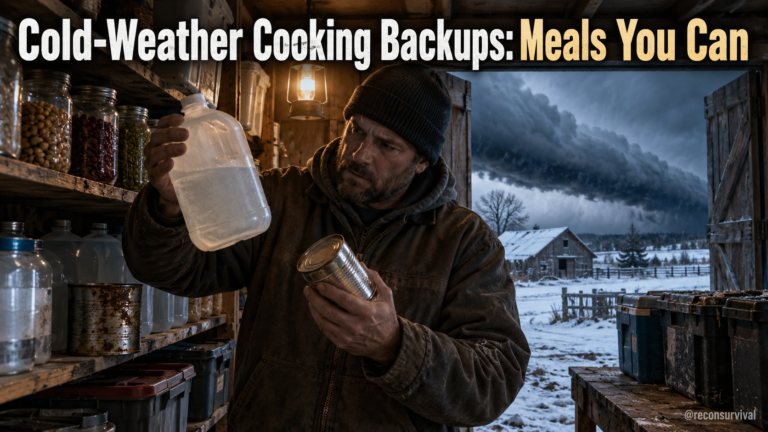
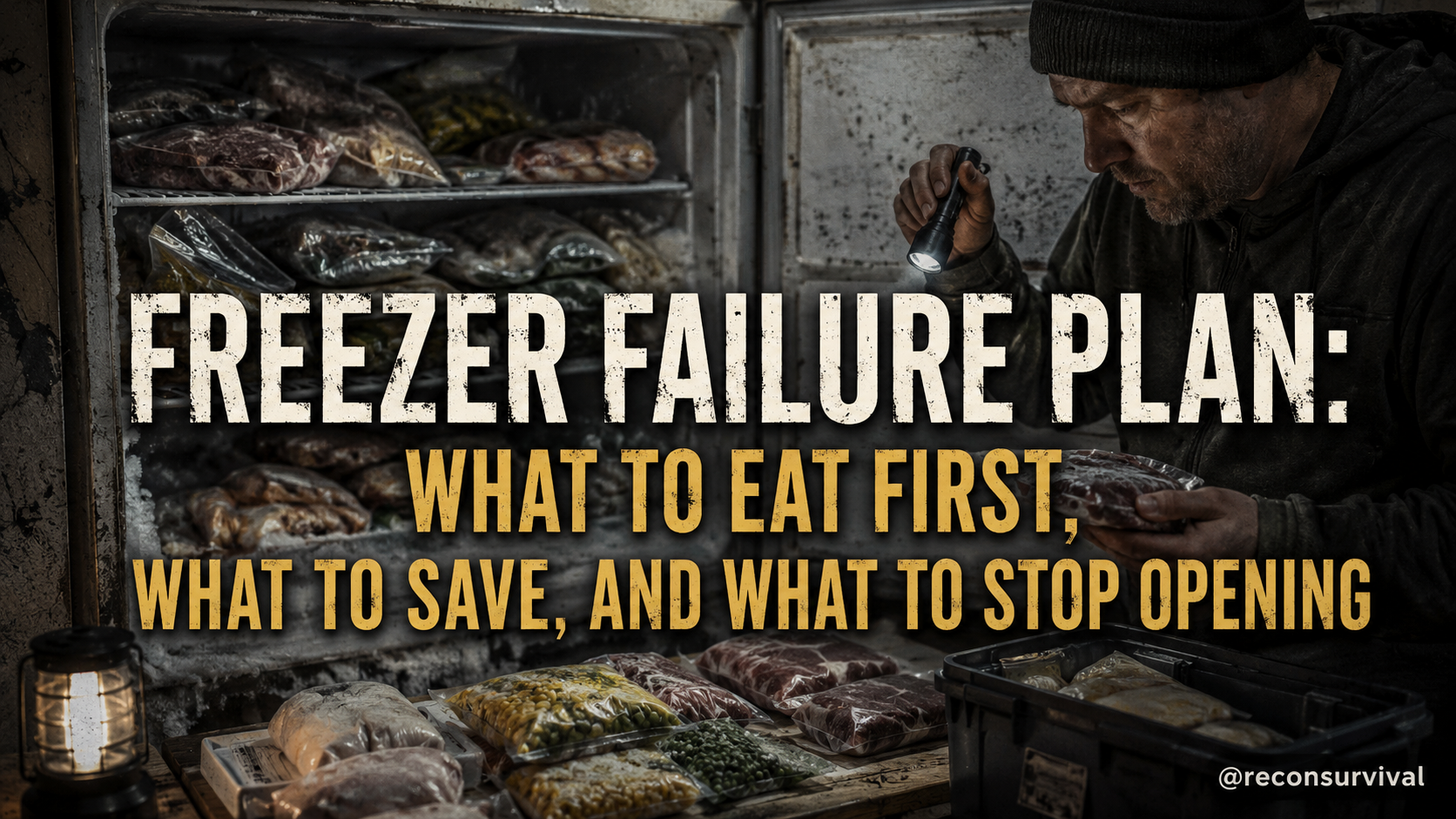
Today's focus is a specific, non-negotiable decision: how to prepare for food spoilage decisions during outages before the freezer warms. Most households react in panic when the power cuts, often throwing away food that could have been saved or opening the door to new spoilage before it was necessary. The real-world problem this solves is knowing exactly how to prepare for food spoilage decisions during outages before the freezer warms, ensuring your family can rely on stored resources without wasting months of preparation due to poor planning.
Why Backup Power Strategy Matters for Summer Grid Stress
This isn't about fearmongering or predicting a specific disaster event. It is about understanding the physics of your home systems and the seasonal reality of grid demand. As we move into late May, the electrical grid faces increasing stress from rising temperatures and higher usage. If your primary power fails, the backup systems you rely on are the single most critical line of defense against immediate food loss. A freezer needs electricity to maintain safe internal temperatures; once those temperatures rise, the rate of bacterial growth accelerates. Without a clear plan, you may find yourself making frantic decisions about what to eat first while ignoring food that is still safe, or worse, consuming food that has begun to spoil. Understanding why this matters for backup power before summer grid stress is simple: your survival margin depends on managing the transition from "safe frozen" to "at risk" without creating a situation where you have to rely on dwindling pantry reserves immediately.
The Most Common Mistake: Waiting for the Warning
The most common mistake people make with this topic is waiting for the power to actually go out before they think about their food. Many families assume that if the freezer is full, they have time to figure things out later. This is a dangerous assumption. When a power outage occurs, especially during the transition to a "spoil decision" phase, the clock starts ticking immediately. By the time you are deciding what to eat, the freezer's internal temperature has already risen. The mistake is treating food storage as a passive activity rather than an active management system. People also tend to wait until they have to choose between "waste" and "save" to evaluate the safety of their food. In reality, the best time to prepare for food spoilage decisions during outages before the freezer warms is when the power is still on, allowing you to make calm, logical choices rather than reactive ones.
The Recon Survival System for Pre-Outage Food Planning
The Recon Survival practical system for how to prepare for food spoilage decisions during outages before the freezer warms relies on three pillars: inventory categorization, temperature thresholds, and meal readiness. This system is designed for a normal household with limited gear and standard freezer space. The goal is not to prevent every possible outage, but to ensure that when one happens, you can execute a clear plan without panic. This approach connects directly to your daily habits and reduces the cognitive load during a crisis. By establishing these parameters now, you remove the uncertainty that causes stress and waste during an actual event.
Step 1: Categorize Your Freezer Contents Immediately
The first step is to stop and categorize your freezer contents into three distinct groups before you ever need to make a tough decision. This step breaks the system into clear steps a normal household can use. 1. Frozen Solid: Items that have been in the freezer for the required duration (typically 15-20 days for safety margins). These can safely remain in the freezer for several hours after power loss. 2. Soft/Transition Zone: Items that are partially frozen or soft. These are the first to thaw and are the priority for immediate consumption. 3. Never Frozen: Items that have never been frozen properly or are highly perishable. These should be identified and moved to a separate storage area or consumed first.
Labeling containers or keeping a simple inventory list helps you identify these groups instantly when the power cuts. This inventory includes specific details like dates and what you will cook next, connecting supplies to actual meals.
Step 2: Establish Temperature Thresholds and Decision Triggers
You must establish specific temperature thresholds and decision triggers to connect supplies to actual meals, water use, rotation, and storage conditions. Do not rely on guesswork regarding "feel." If your freezer maintains its temperature below 40°F (4°C) for more than four hours, most foods remain safe. If the power is lost and the temperature rises above that mark, you must execute your consumption plan.
- Action: Test your backup power system this week to ensure you know exactly when it activates.
- Action: Know the specific time it takes for your freezer to reach the spoil threshold.
- Action: Have a meal plan ready for the foods that will thaw first.
This step prevents the common error of eating frozen food that is no longer safe and avoids panic-induced waste. It ensures you are ready to manage the transition from frozen to safe-to-eat without delay.
Step 3: Rotate and Plan for Spoilage Decisions
The third step involves actively rotating and planning for spoilage decisions. Connect your stored supplies to actual meals you intend to cook. If you have a bag of meat that you have stored for six months, it is time to consume it. If you have a container of vegetables that are soft, use them immediately. This connects to the concept of rotation and storage conditions. By planning your meals around the items that are most at risk of spoiling first, you ensure that waste is minimized and food safety is maximized. This also ties into your water use; if you are cooking from a can or dried goods, ensure you have the water filtration system ready to handle the water needed for those meals.
Recon Survival Principle: Food Safety Is a Process, Not a Checklist
A pantry or water checklist that reduces waste requires you to understand that food safety is a continuous process, not a static checklist. The principle here is that preparedness is about the ability to make the right decision under pressure, not just the ability to store food. If your food becomes actual meals, the preparation is successful. If your food spoils because you lacked a plan, the preparation was incomplete.
Pantry and Freezer Maintenance Checklist
To support this system, include a maintenance routine in your weekly chores. This checklist reduces waste by ensuring you are not holding onto food that is approaching its expiration or spoilage threshold.
- Check Freezer Temperatures: Verify your freezer is maintaining the correct temperature.
- Inspect Soft Foods: Look for items in the transition zone. If they are soft, move them to the refrigerator for immediate use.
- Rotate Inventory: Move older items to the front. Use items nearing their limit.
- Label Dates: Ensure all items have clear, legible dates.
- Review Backup Power: Test your generator or battery system to ensure it runs when needed.
- Meal Prep: Plan meals for the items that will be most vulnerable to thawing.
- Water Check: Ensure your water storage containers are full and the filtration system is clean.
Do Today
End with a clear action step or checklist. Execute these steps today to ensure you are prepared for food spoilage decisions during outages before the freezer warms.
- Inventory Your Freezer: List all items in your freezer, noting the date they were placed in storage.
- Categorize Items: Group your items into "Frozen Solid," "Soft/Transition," and "Never Frozen."
- Plan Meals: Create a meal plan specifically for the items in the "Soft/Transition" group.
- Test Backup Power: Run a test on your generator or battery backup system to ensure it starts when needed.
- Inspect Water Storage: Check your water storage containers and ensure they are filled and the filtration system is functional.
- Review Food Safety: Revisit USDA or FDA food safety guidance to ensure your knowledge of spoilage thresholds is current.
- Set Up Rotation: Move older items to the front of your storage areas and discard any items that are past their prime or showing signs of spoilage.
By following these steps, you will have a clear, practical, and effective plan for handling food safety during an outage. This approach ensures that your family is safe, your resources are used efficiently, and you are ready for whatever the grid stress of summer brings.