A practical way to explain grid stress as a planning problem and connect it to resilient household systems, but most advice is either too generic, too gear-focused, or too late.
As an Amazon Associate, I earn from qualifying purchases.
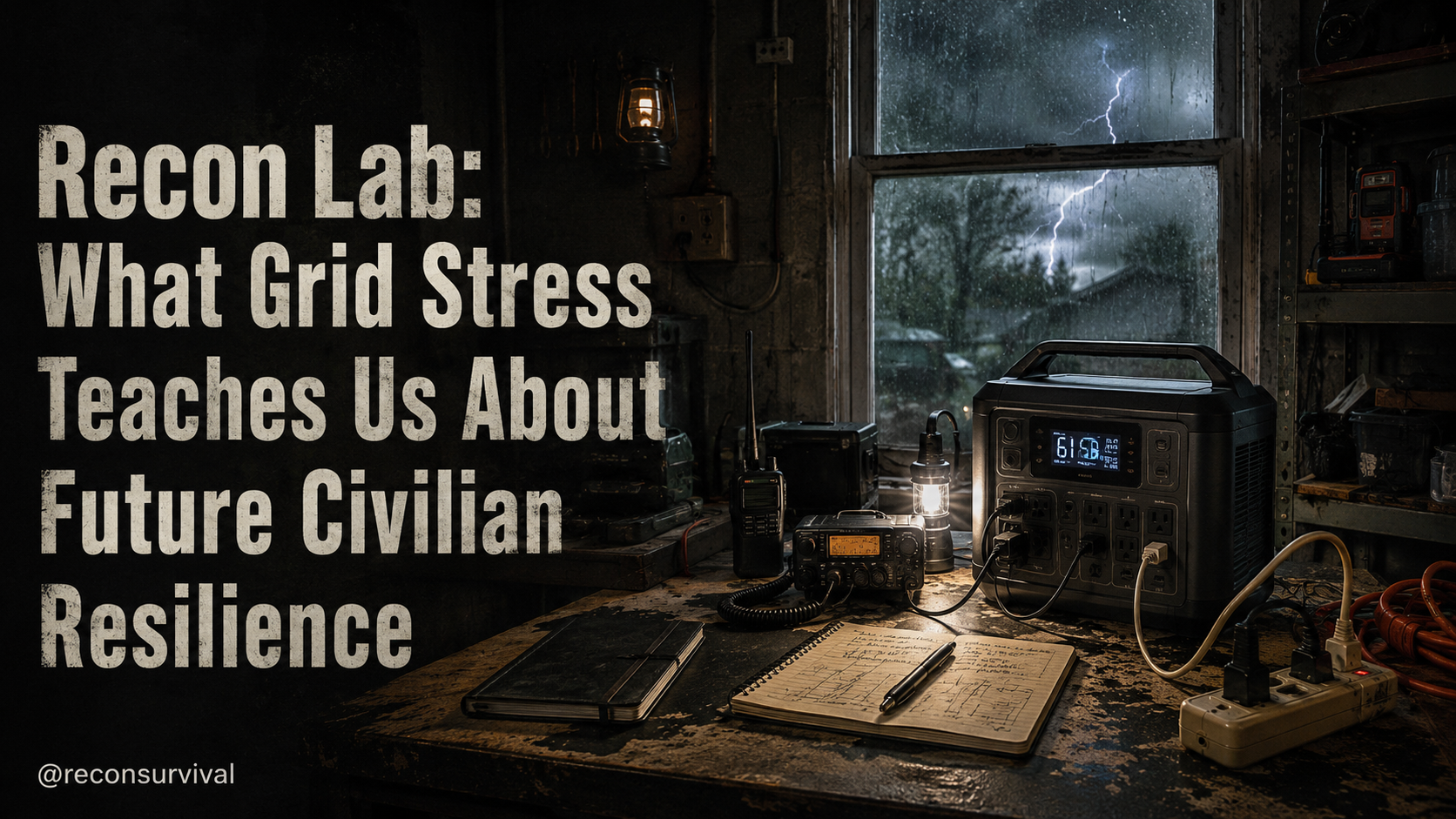
Mid-May is a critical window for testing power systems before summer heat puts real demand on the grid. The real-world problem this article solves is the disconnect between knowing you have a generator and understanding why that generator might not start when the temperature spikes. Most people treat grid stress as a mysterious emergency event, but in a practical resilience framework, it is a predictable planning problem with specific variables that can be managed well before a blackout occurs. This shift from panic to procedure is the core of future civilian resilience.
Why Grid Stress Demands Early Planning
The rising temperatures of late May often mask a hidden danger: the stress placed on the electrical distribution network. When ambient heat rises, utility grids face higher cooling demands for the power plants and substations that generate electricity. Simultaneously, residential consumption for air conditioning increases. This creates a perfect storm for localized brownouts or outages.
This matters for backup power because it changes the nature of the failure. It is no longer just about "the lights going out." It is about the system hitting a thermal limit. If your household is not prepared to switch to an independent power source before the grid hits that limit, you are forced to react to a crisis. The goal is not to predict exactly when the outage will happen, but to build a system that functions independently when the grid's capacity is exceeded. There is no need for fearmongering about societal collapse; the immediate reality is simply the inconvenience and safety risks associated with a loss of cooling, refrigeration, and lighting. Planning for these specific operational limits ensures that when the utility struggles, your household remains safe and functional.
The Common Planning Mistake
The most common mistake people make with this topic is waiting for the outage to begin before they address the planning problem. Many households assume that if they own a generator or have a large battery bank, they are safe. This is a fundamental error in logic. The mistake lies in the timeline of the decision.
People often wait until the temperature is already critical and the power is flickering to start troubleshooting. At that moment, decision-making capacity is lowered, equipment is under load, and confusion reigns. The mistake is treating grid stress as a binary state: either the power is on or it is off. In reality, grid stress is a sliding scale. Utilities often implement rolling blackouts or reduce capacity days in advance. Waiting to "see if the power goes out" means you have already missed the window to verify your systems. The practical reality is that you must explain grid stress as a variable in your daily planning, not just an emergency scenario. You must connect your resilient household systems to the utility's capacity limits proactively, not reactively.
The Recon Survival Planning System
The Recon Survival practical system for explaining grid stress as a planning problem and connecting it to resilient household systems relies on three pillars: Signal Awareness, Decision Triggers, and System Isolation. This framework allows you to separate the signal of grid instability from the noise of daily life.
First, we establish Signal Awareness. This means identifying the early indicators that the grid is under stress. These are not necessarily disaster news reports, but local utility advisories and temperature thresholds. Second, we set Decision Triggers. These are the specific conditions under which you transition to independent power. Finally, we implement System Isolation. This is the physical and procedural process of disconnecting from the grid and engaging your backup sources. By connecting these three pillars, you turn a chaotic event into a managed procedure. This approach keeps the household calm and focused on execution rather than speculation.
Step-by-Step Household Execution
A normal household can use this system through four clear steps.
Step one: Monitor the thermal environment. Check local weather forecasts for sustained heat waves or drought conditions that affect hydroelectric and thermal generation. Look for news regarding rolling brownout schedules in your specific zone. Do not wait for the outage; look for the warning signs of system strain.
Step two: Define your decision threshold. Determine exactly when your household switches to backup power. Is it at 90°F? Is it when you see a brownout warning? Is it when the utility announces a conservation event? Write this down. This threshold becomes your trigger.
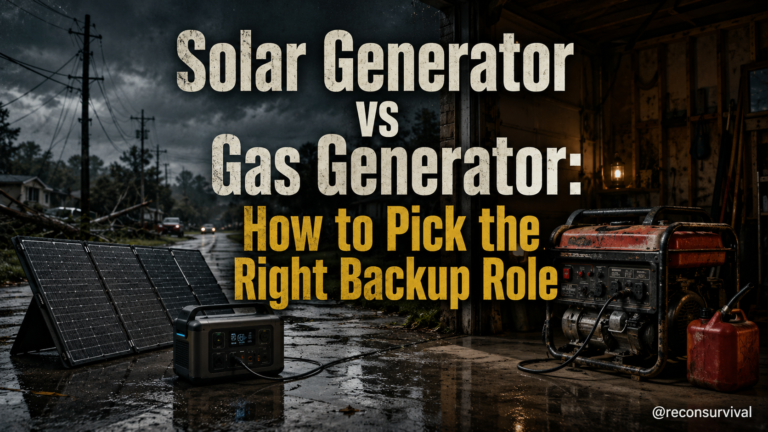
Step three: Verify equipment capacity. Ensure your backup power sources (generator, battery bank, or solar system) are fueled, charged, and tested. Check fuel tanks for sediment, change generator oil, and verify battery water levels. This verification must happen when the grid is stable, not during an event.
Step four: Execute the transition. When the trigger is hit, physically switch to independent power. Do not wait for the lights to flicker to go out. Move the fuel line to the generator, engage the solar inverter, or switch the battery bank to load. By the time the grid fails, the transition has already happened.
Future-Facing Concepts in Plain Language
The future-facing idea here is that resilience is not about surviving a specific disaster, but about maintaining operational independence regardless of external conditions. This is a shift from a "prepper" mindset of hoarding supplies to an "engineer" mindset of designing systems that can operate under different constraints.
In plain language, think of your household as a vehicle. The grid is the public road. When the road is flooded or closed (grid stress), you need a vehicle that can drive on its own. You do not hope the road stays open; you ensure you have a way out. This concept applies to energy, water, and communication. It is about designing a household that does not rely on a single point of failure. This is not science fiction; it is basic engineering applied to domestic safety. It ensures that your family can maintain safety, comfort, and communication when the infrastructure around them is strained.
Separating Practical Today from Future Experimental Ideas
It is vital to separate what is practical today from what is experimental or future-looking. Today, the practical steps involve testing generators, checking fuel, and monitoring weather patterns. These are grounded in current technology and reliable data.
Experimental or future-looking concepts might include relying on experimental battery chemistries, unproven renewable technologies, or waiting for a fully autonomous home energy network that does not yet exist. Do not confuse the two. Practical actions are those you can do right now with available tools and information. If a solution requires new legislation or decades of development, it is not a current solution. Focus on the tools you have: a quiet generator, a reliable battery bank, and a solid understanding of your utility's grid code. This distinction keeps your planning realistic and prevents you from wasting resources on solutions that are not yet ready for prime time.
Recon Survival Principle
Recon Survival Principle
Early warning is not about predicting disaster; it is about detecting signals that indicate a decision trigger has been met. Grid stress is the signal. The decision is to switch to independent power. When you connect backup power readiness to early warning signals, you gain the luxury of calm action. You are no longer reacting to chaos; you are executing a plan. This principle of signal awareness and decision triggers applies to all aspects of survival planning, from water storage to food security. It transforms uncertainty into manageable variables.
Do Today
- Walk the main system named in the brief and write down the first weak point.
- Assign one person to own that fix before the day ends.
- Check the related supplies, tools, batteries, labels, or documents by hand.
- Put the next review date on a calendar instead of relying on memory.
- Move one critical item to the place where it will actually be used.
- Tell the household what changed and where the updated item now lives.
- Repeat the check after the next outage, storm warning, trip, or schedule change.
Do Today
- Check your fuel levels. Fill your generator or propane tanks today. Do not wait for summer. Store fuel in approved containers away from living spaces.
- Test your backup system. Run your generator for at least 30 minutes under load to ensure it starts and runs smoothly. Check battery bank voltage and state of charge.
- Review utility advisories. Visit your local utility's website and check for any planned maintenance or heat advisories. Note the dates.
- Set your decision trigger. Write down the specific temperature or event that will cause you to switch to backup power. Share this with your household.
- Clear the fuel path. Ensure the area around your generator is clear of debris, leaves, and flammable materials. Check that the exhaust is not blocked.
- Verify carbon monoxide detectors. Test all CO detectors to ensure they are working before you rely on a generator for backup power.
- Create a transition checklist. Make a printed list of steps to switch from grid power to backup power. Practice reading it once so the steps become second nature.