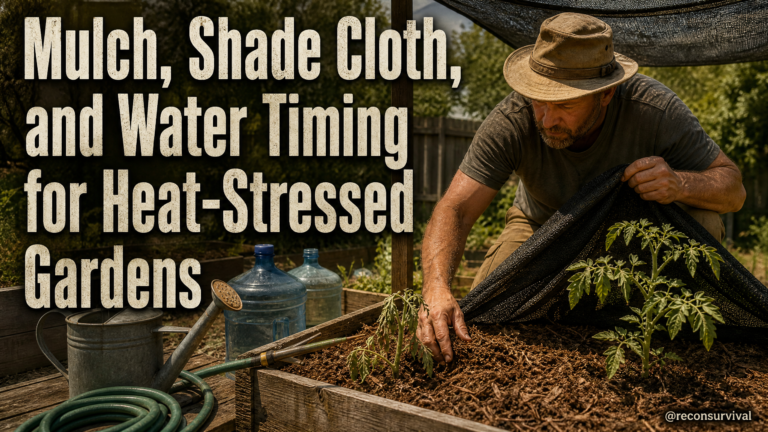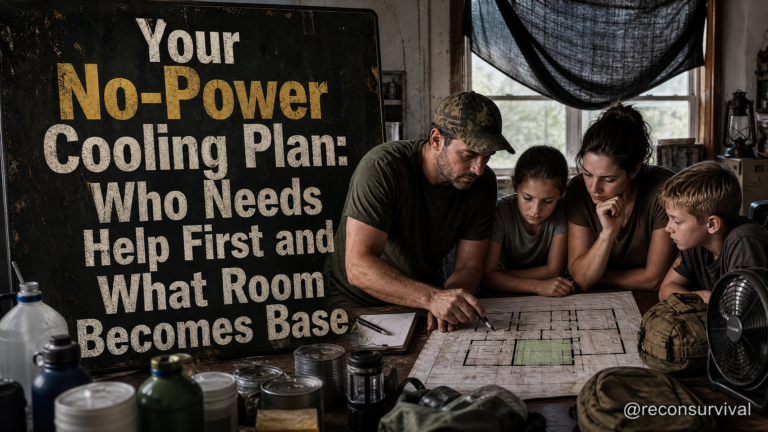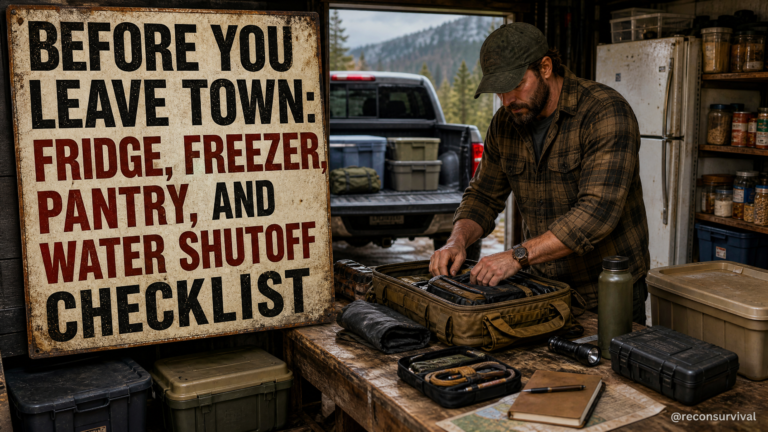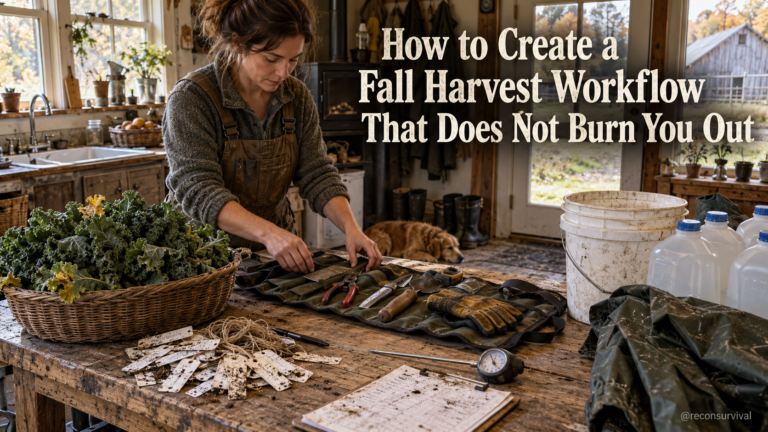
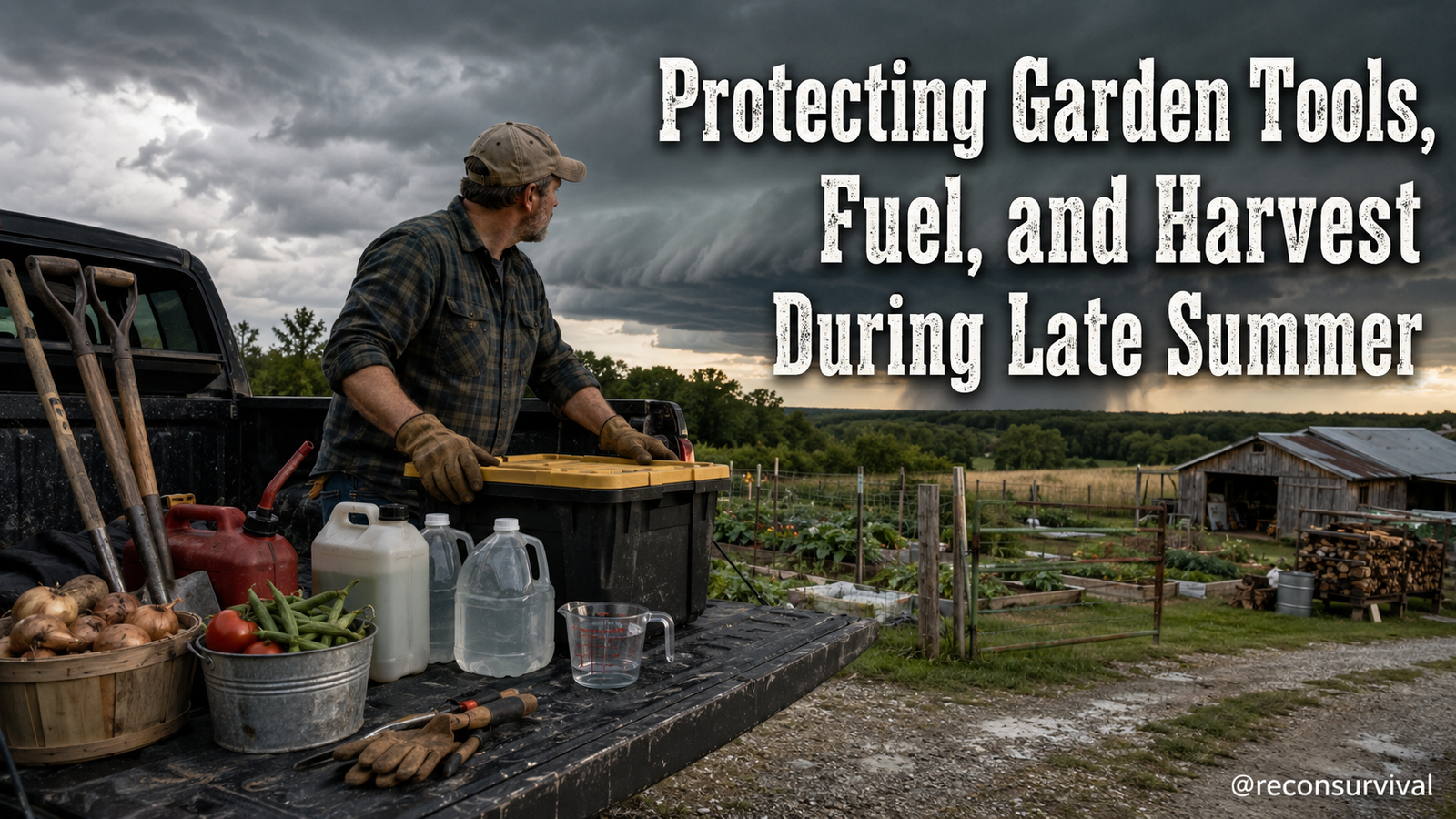
Late August places a specific, quiet pressure on outdoor work areas. Gardens are stressed, pest activity peaks, and preservation decisions must be made without delay. In this window, the gap between a harvest ready to move and the tools needed to move it becomes a liability. The problem is not a catastrophic failure of security, but the slow accumulation of loss through misplacement, environmental damage, and preventable theft. When the heat breaks down schedules, small oversights multiply into wasted food, broken equipment, and lost fuel reserves.
As an Amazon Associate, I earn from qualifying purchases.
The Real-World Gap in Late Summer
The specific failure point during late summer is not the intrusion itself, but the lack of a routine to secure assets before the day's work ends. Most households treat their garden shed, fuel storage, or harvest staging area as an extension of the yard rather than a secure zone. The result is that tools left out in the heat degrade faster, harvest sitting on a concrete slab absorbs humidity and attracts pests, and fuel containers left in direct sunlight become unstable or evaporate. This is not a theoretical risk; it is the difference between a harvest that keeps and one that rots.
Readers often wait until a problem has already occurred to address it. They notice a rusted wrench only after the project is stalled. They find a container of diesel degraded only after the generator fails. The time to secure these assets is when the sun is high and the house is active, not when the first storm warning or the first sign of theft appears.
Why Late Summer Resilience Depends on Secure Storage
Garden resilience in late August relies on the ability to move food and materials quickly before heat stress degrades quality. If the storage for your harvest is exposed to rain, pests, or theft, the labor invested in the growing season evaporates. Similarly, fuel security ensures that your pumps, generators, and tools remain operational when power grids fluctuate or supply chains tighten.
The most common mistake is treating security as a gear purchase rather than a behavioral routine. Households often buy better locks or cameras while leaving the primary point of entry unlit or the contents unlabeled. This creates a false sense of safety. The critical error is waiting for a threat to manifest before organizing the workflow. A secure garden is defined by the habits of the people tending it, not by the strength of the steel door.
The Recon Survival Routine for Outdoor Work Zones
The solution is a systematic approach that prioritizes habits, visibility, and communication over expensive equipment. The Recon Survival system for securing garden tools, fuel, and harvest focuses on four pillars: visibility, access control, environmental protection, and communication. This routine must be embedded into the daily closing of the workday.
Inspect the Entry and Perimeter
Start your security walkthrough at the main entry point to your outdoor work zone. Is the lighting functional? Check the bulbs and batteries in porch lights, gate lights, and shed exterior lamps. A dark corner is an invitation for theft and a blind spot for accidents. Ensure the gate latches engage with a solid click and that the fence line is intact. Look for overgrown branches that provide cover for someone moving undetected. If a gate squeaks, lubricate it now. Silence and clear sightlines are your first line of defense.
Secure the Tool and Gear Staging Area
Move to the location where you stage your tools, whether that is a shed, a locked cart, or a specific shelf inside the garage. The goal here is inventory control and environmental protection. Tools left in the sun or damp corners corrode and become unreliable.
- Label and Stage: Ensure every tool has a designated home. If a tool is missing its home, it will end up in the dirt. Use a shadow board or marked outlines on shelves.
- Fuel Safety: Fuel containers must be stored in a cool, well-ventilated area away from direct sunlight. Check caps for tight seals. Store fuel away from ignition sources like electrical panels or water heaters.
- Harvest Containers: If you are storing harvest in bins, move them off the ground onto shelving to prevent pest infestation and moisture damage.
Protect the Harvest from Loss and Damage
Harvest protection is about speed and environment. As you pull crops from the ground, they must move to storage immediately. Do not leave bins of tomatoes, peppers, or root vegetables on a hot porch or in a direct sunbeam for hours.
- Environmental Control: If you have a root cellar, cool room, or insulated shed, verify the temperature is stable. If not, move perishables to a shaded, ventilated area immediately.
- Pest Barriers: Ensure all storage containers are sealed. Check lids for cracks. Use mesh screens on vents to keep insects out without restricting airflow.
- Rotation: Practice a first-in, first-out rotation. Label containers with the harvest date. Move the oldest produce to processing or consumption first.
The Household Walk-Through Sequence
To make this routine effective, it must follow a specific order every evening. Do not jump between tasks. Follow this sequence to ensure no blind spot remains:
- Check the Exterior: Walk the perimeter, verifying lights are on and gates are locked.
- Secure the Tools: Return all tools to their labeled spots. Check for damage or moisture.
- Move the Harvest: Transfer all produce from the field or temporary staging to permanent storage.
- Verify Fuel and Gear: Ensure fuel caps are sealed and generators are shut down or covered.
- Lock and Log: Engage all locks and, if your household uses a log, note any discrepancies.
This sequence turns security into a habit. It removes the cognitive load of remembering what needs to be done and replaces it with a physical motion that everyone in the household can perform.
Recon Survival Principle
Security is a habit of the household, not a feature of the gear. No amount of advanced technology replaces the discipline of closing the gate, locking the door, and labeling the storage bin. When the house is calm and the routine is active, the threat of theft, loss, and damage drops to its lowest point. The most secure system is the one that works even when no one is watching.
The Defensive, Lawful Household Checklist
Use this checklist to verify your security posture without resorting to aggressive tactics. The goal is to make your property unattractive to opportunists and safe for your family.
- Lighting Check: Test all outdoor bulbs; replace any that are dim or missing.
- Gate and Door Locks: Engage all latches. Test the resistance of the lock to ensure it is not rusted or loose.
- Tool Inventory: Count tools against the inventory list. Place any missing items in a designated "recheck" zone.
- Fuel Caps: Verify all fuel containers are capped tightly and stored in a cool, shaded location.
- Harvest Labeling: Ensure all stored produce has a date label and is moved to a cool, dry location.
- Communication Plan: Confirm that household members know where tools and fuel are stored and who is responsible for the evening lock-up.
- Lighting Schedule: Set timers or motion sensors for outdoor lights to activate at dusk.
- Path Clearing: Trim back vegetation that obscures visibility around the entry points and storage areas.
Do Today
Today, you are going to perform a targeted inspection of your outdoor work zones. Do not wait for a storm or a report of theft. Pick a time this evening when you are finishing your outdoor chores. Walk the perimeter and check every light. Lock every gate. Move every bin of harvest to its proper storage location. Label the tools. Check the fuel caps. This is the moment where you build the habit that protects your family's hard work.
If the sun is still up, go to your garden shed or utility area. Look at the tools. Look at the fuel. Look at the harvest. Ask yourself: "Is this secure?" If the answer is no, fix it now. The time to act is on a normal day and the sun is high.
This approach does not require expensive gear or complex systems. It requires a shift in mindset from reactive to proactive. By treating your outdoor work zones with the same discipline as your main house, you ensure that your food, fuel, and tools remain ready for use when you need them most.
The house remains calm while you move with purpose. This is the moment to secure your assets. The field-ready approach means you do not need to learn a new system; you need to perform the inspection with greater focus. Start with the lights. Move to the locks. Secure the harvest. This is the practical path to a resilient late summer.
- Put a working flashlight or headlamp where each person sleeps.
- Charge one backup battery per critical phone and pair it with the right cable.
- Test the weather radio, spare batteries, and the room where everyone will gather.
- Check carbon monoxide alarms before any generator, grill, or fuel-burning backup plan.
- Write the generator placement rule on paper and keep it with the cords.
- Stage extension cords, chargers, and lights where they will be used first.
- Assign one person to run the light check after sunset.