
Off-Grid Water Storage When Freezing Is a Risk
The air turns sharp, days shorten, and the holiday rush begins.
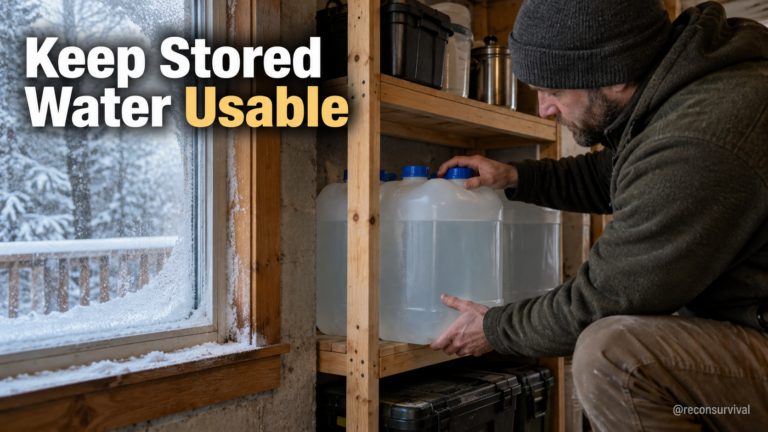
The air turns sharp, days shorten, and the holiday rush begins.
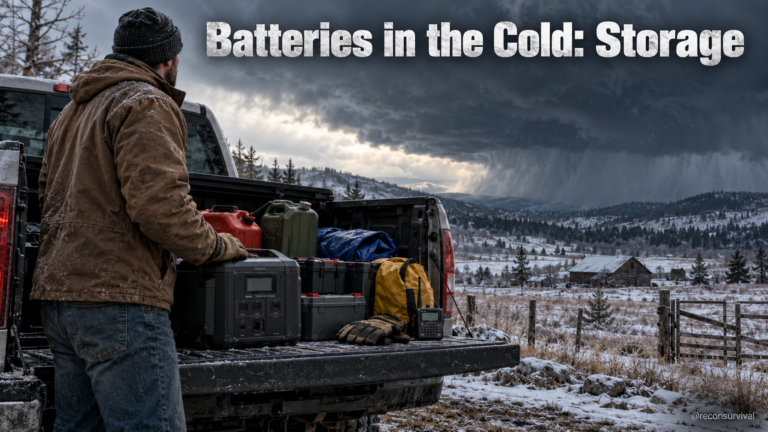
As temperatures drop, batteries often become the first component to struggle in a winter power system.
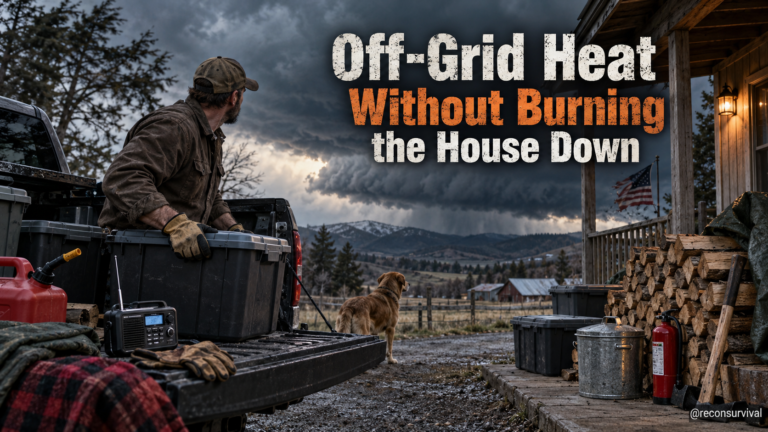
Read the heater label and check that its intended location matches the instructions.
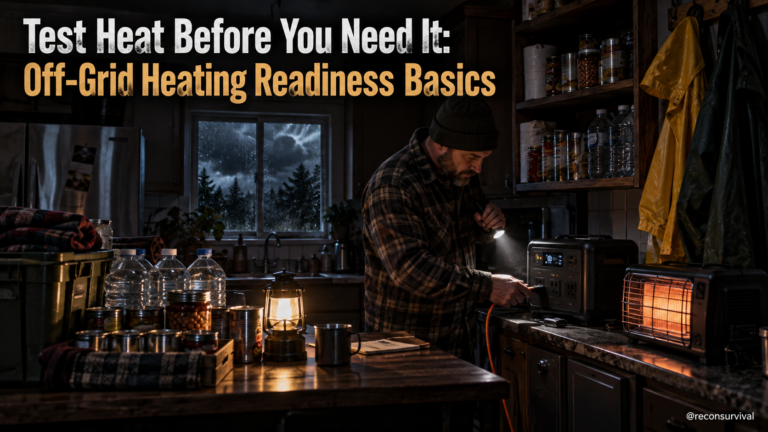
Heat to load to water demand to decision trigger: When external temperature spikes, the electrical load from cooling surges, the water supply evaporates, and the household shifts from passive survival to active crisis management.

When the grid fails, the initial surge of panic usually centers on the generators and the big battery banks.

The surge of cold air hitting the hallway is the first sign the grid has failed, but the real test begins inside the utility closet where the inverter hums and dies.
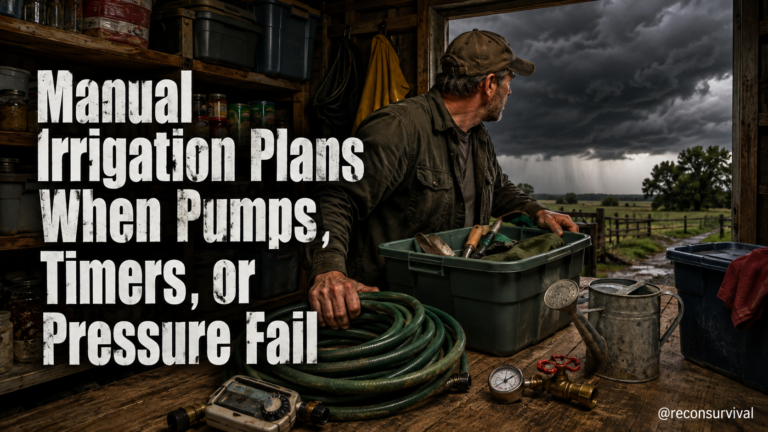
The first thing to break is not the main line; it is the pressure sensor or the timer relay that has sat idle for months.
Late summer outages often drag on long enough that discomfort shifts into a security risk.
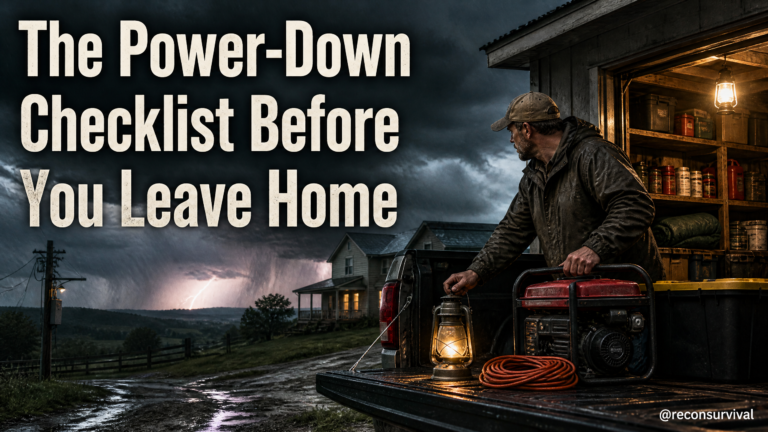
Wind pushes rain under shingles, the grid wobbles, and compressors slam on against low voltage.
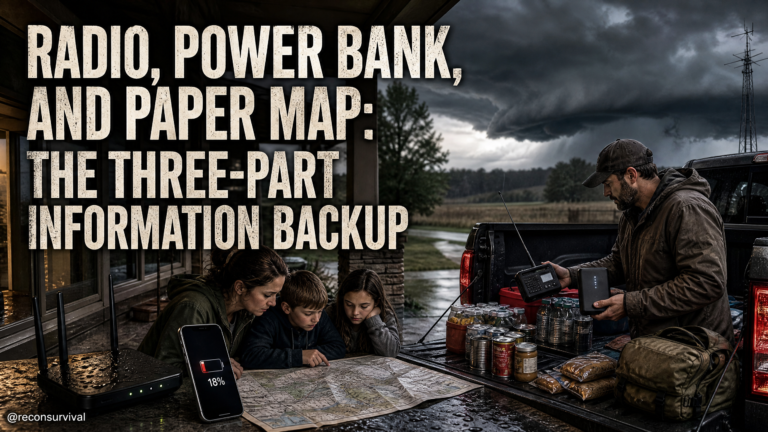
Water on the countertops, phones at 18%, router lights dead, and the group text stalling out.
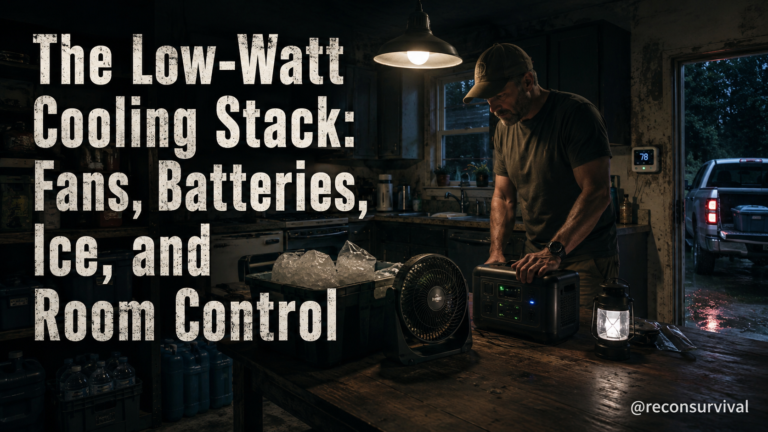
When the air conditioning stops or the grid goes dark, a quiet bedroom in July becomes a survival challenge.
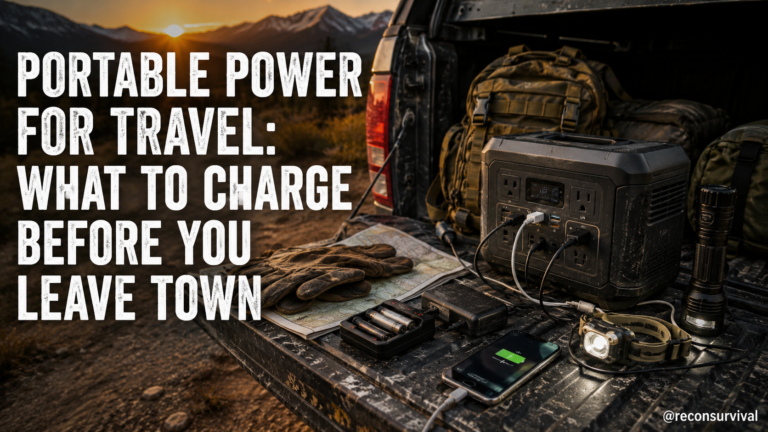
You are standing at the garage door with your vehicle running, bags packed, and a family member urging you to move.