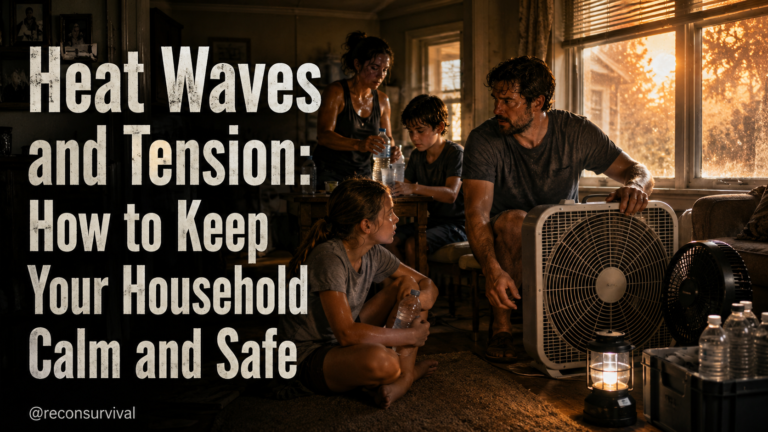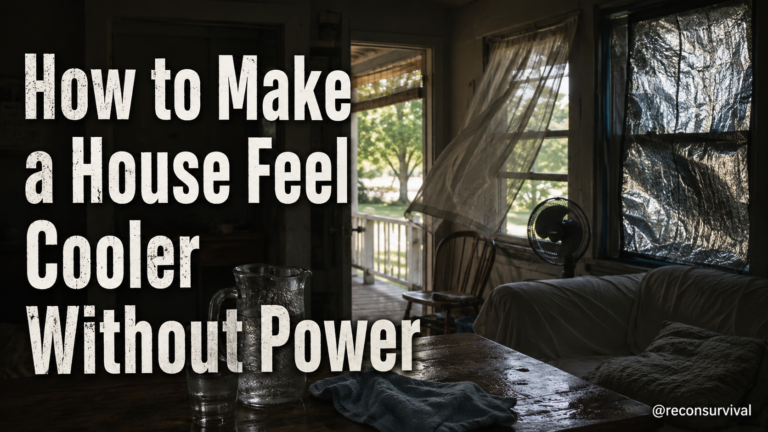
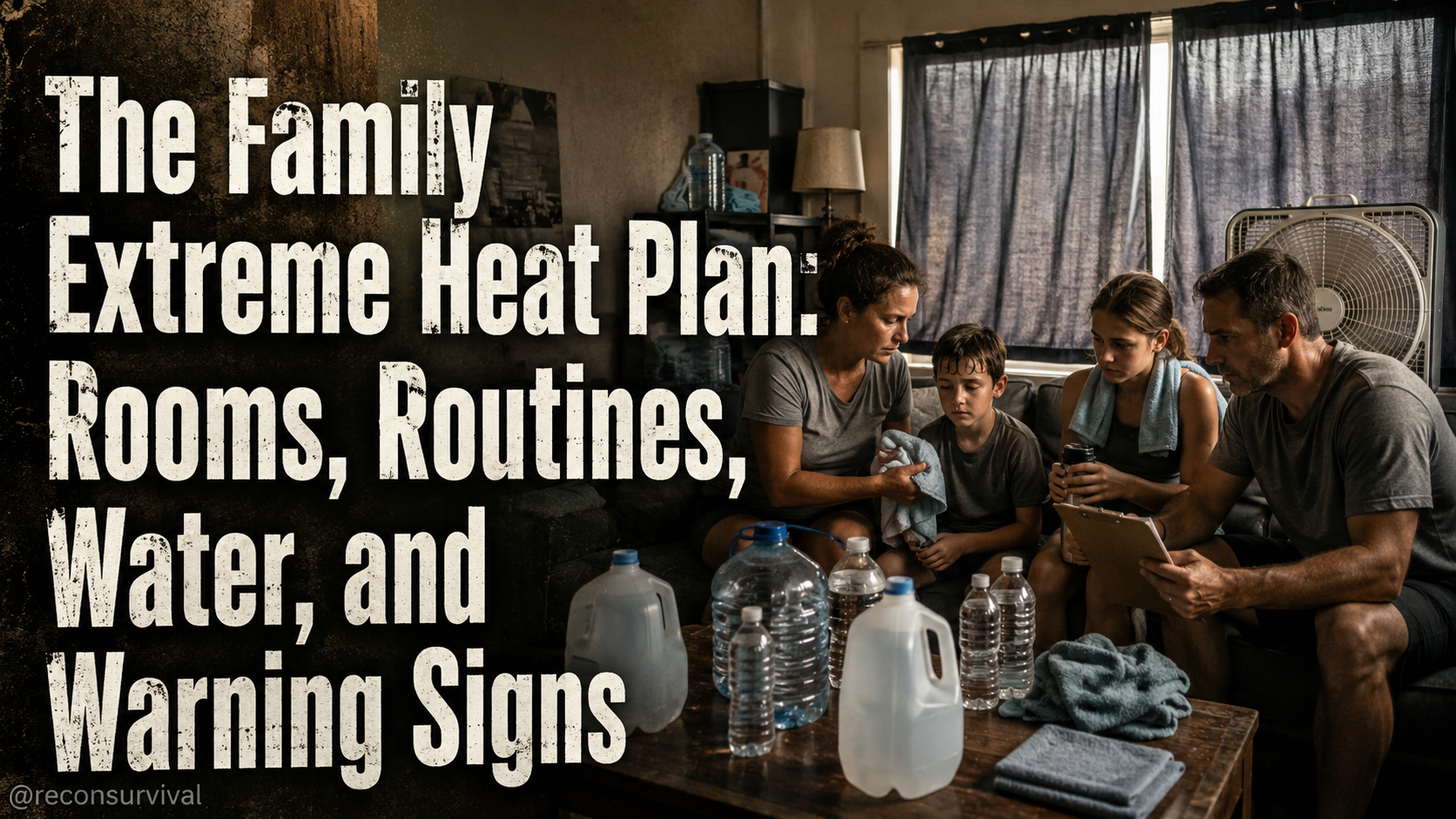
A practical way to build a household heat plan focused on cooling zones, hydration, check-ins, pets, elders, and outage contingencies, but most advice is either too generic, too gear-focused, or too late.
As an Amazon Associate, I earn from qualifying purchases.
Mid-June heat often catches families off guard not because the weather is new, but because the cooling systems fail when you need them most. Outages and storms remove normal air conditioning, leaving vulnerable members and pets at risk. This article solves that specific problem by moving you away from generic gear lists and fear-based warnings. Instead, it provides a concrete household plan focused on cooling zones, hydration routines, check-ins for pets and elders, and specific steps for when power goes out.
Why Extreme Heat Readiness Requires a System, Not Just Gear
Extreme heat readiness matters because temperature extremes are becoming a regular part of daily life, especially for those in older homes or areas with frequent storm activity. The danger does not just come from direct exposure to the sun, but from environmental stress that compounds when power fails. When the thermostat stops working, a room can become lethally hot within minutes. Without a plan, families often react with panic when the air conditioner stops, rather than having a pre-decided protocol for moving people and animals to cooler spaces. This lack of preparation leads to dehydration, heat exhaustion, and dangerous conditions for pets left alone or elderly individuals unable to regulate their own body temperature.
The Most Common Mistake With Heat Plans
The most common mistake people make is treating extreme heat planning as a "backup plan" to be activated only after a disaster hits. Many households wait until they feel the heat is bad to think about cooling strategies. This approach fails because by the time you feel the heat, your body and your family are already stressed. By then, you are thinking about what to do in the moment, which is when fear and confusion are highest.
Another mistake is focusing entirely on purchasing high-end fans or specialized equipment while ignoring the most critical element: water availability and internal routine. People often assume that if they have a fan, they are safe. But if the power is out, the fan stops working, and you have no backup cooling strategy, that equipment is useless. Furthermore, plans often forget pets and elderly family members, who cannot communicate their rising body temperatures or thirst levels effectively. A viable plan must address these vulnerabilities before a crisis occurs.
The Recon Survival Practical System for Household Heat Safety
The Recon Survival practical system shifts the focus from buying gear to organizing your home environment and daily habits. This system builds a household heat plan focused on cooling zones, hydration, check-ins, pets, elders, and outage contingencies. It breaks down the large task into manageable components that a normal household can implement immediately.
This system relies on creating designated safe spaces within the home, ensuring water is accessible and ample, and establishing a communication loop for checking on family members. It also covers specific protocols for when the power grid fails, utilizing passive cooling techniques and alternative water storage. By mapping out your home and your resources now, you remove the need for difficult decisions during a heat emergency. The plan integrates naturally with your existing living spaces, ensuring that safety is always close at hand.
Step-by-Step Guide to Building Your Heat Plan
Building your plan starts with mapping your home's cooling potential. Identify at least one room that stays cooler than others during the day. This is often a basement, an interior room away from direct sunlight, or a room with high ceilings and good airflow. Close blinds and curtains during the hottest part of the day to reduce solar heat gain. Ensure fans are positioned to pull cool air from this zone and push it out.
Next, address hydration. Place water containers at eye level in the kitchen and living areas. Do not rely on the fridge for primary hydration during an outage, as ice melts and the water warms up. Keep a reserve of bottled water specifically for drinking and sanitation, separate from your food storage. Ensure that every family member has access to this water without having to leave a safe zone.
For pets and elders, establish a physical check-in routine. Pets should never be left alone in a vehicle or an unmonitored interior space during extreme heat. Create a schedule where someone checks on them every two hours if you are home. If you are away, ensure neighbors or family members have keys and a mandate to check on your pets if the temperature spikes or the power goes out. For elders living alone, install a temperature sensor that alerts you or a neighbor if the room gets too hot.
Finally, plan for power outages. Identify your backup cooling options, which might include battery-operated fans, manual pumps for water, or even temporary relocation to a relative's cooler home. Know your local emergency management guidance for power outage expectations and adjust your water rationing accordingly.
Readiness Checklist for Heat Emergencies
Use this checklist to verify your household is ready. Print it and place it in a central location, such as near the kitchen or main thermostat. – Identify and cool one specific "Safe Zone" room in the house. – Close blinds and curtains to block direct sunlight on that room. – Ensure at least 1 gallon of water per person and pet is stored in a cool, accessible location. – Verify that a battery-operated fan or manual pump is available and charged. – Confirm that pet water bowls are filled and accessible in the Safe Zone. – Establish a check-in schedule for pets and any elderly family members. – Review evacuation or relocation plans for when the home becomes uninhabitable. – Test carbon monoxide detectors and ensure they are functioning, especially if using generators or backup heating systems.
Recon Survival Principle
Focus on the Environment, Not Just the Gear
##
Recon Survival Principle
The principle that guides this plan is that environmental control is more important than equipment acquisition. In the heat, the air inside a house acts like a heat trap, especially when windows are closed to block the sun. If the power is out, that trapped heat can become dangerous quickly. Therefore, the most effective step you can take is to move people and animals to cooler areas and utilize natural airflow. This principle applies regardless of the technology in your home. Whether you live in a modern apartment or an older house, understanding how your specific environment reacts to heat is the first step to safety. Do not assume that a standard thermostat will keep your home safe. Assume the system will fail and plan for that failure now.
Action Steps for Today, This Week, and Later
What you do today sets the foundation for your safety. Start by identifying the safest room in your home. Walk through it and check the windows. Do you have a fan that can run on batteries? Is the room shaded? If not, move furniture or close blinds to create a cooler pocket. Check your water reserves. Measure how many people and pets you need to support. If you have less than two days of water, prioritize filling up your coolers today.
This week, establish your check-in routines. Talk to your household. Assign specific tasks to family members for checking on pets and elders. Write this schedule down and post it where you can see it. Review your carbon monoxide detector batteries and replace them if needed. If you have a generator, ensure it is tested and that it is placed outside to prevent carbon monoxide poisoning.
Later this season, review your plan with your family. Heat waves last longer each year. As temperatures climb past 90 or 100 degrees, your plan will be tested more frequently. Adjust your water rationing based on actual usage. Ensure your neighbors know your plan, so they can help if they need assistance. Stay informed about local weather conditions, but rely on your established plan rather than waiting for news to tell you to act.
Do Today
Start your immediate readiness actions now. These are concrete steps you can take within the next few hours to ensure your household is safer.
- Identify Your Safe Room: Walk through your home and pick the coolest room. Close all curtains and blinds in that room immediately to block heat.
- Stock Your Water: Ensure you have at least 1 gallon of water per person and pet stored in a cool, dark place. Put it on a shelf where it can be seen and reached without moving other items.
- Check Your Fans: Locate your battery-operated fans. Ensure they are charged and placed where they can move air through your Safe Room.
- Verify Pet Safety: Check that your pet bowls are filled with cool water. Remove them from direct sunlight.
- Review Your Plan: Read through your check-in schedule with a family member. Make sure everyone knows their role if the power goes out.
These actions build a practical system that keeps your family safe when the heat rises. By taking these steps, you ensure that your household is resilient against the challenges of extreme heat. Your plan will protect you when it matters most. Stay calm, stay prepared, and keep your focus on the practical steps that keep your family safe.
- Tell the household what changed and where the updated item now lives.
- Repeat the check after the next outage, storm warning, trip, or schedule change.