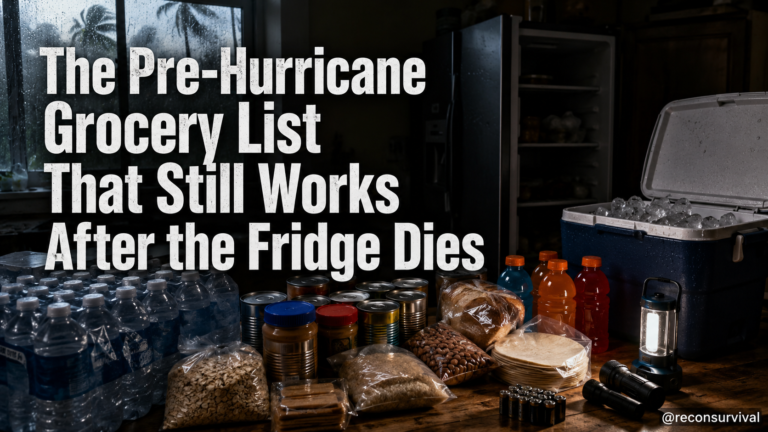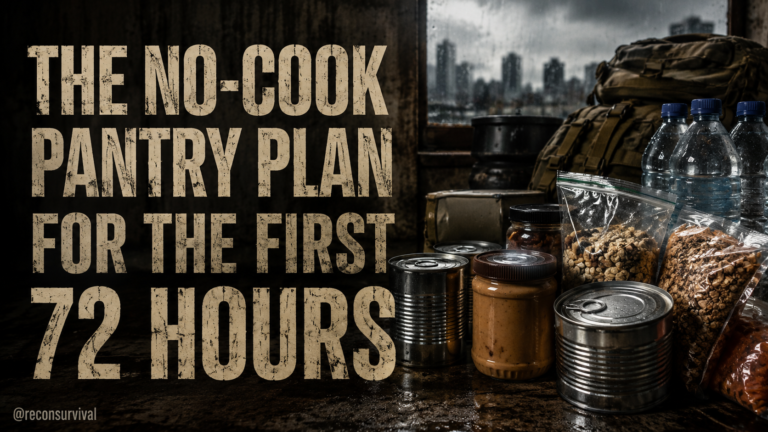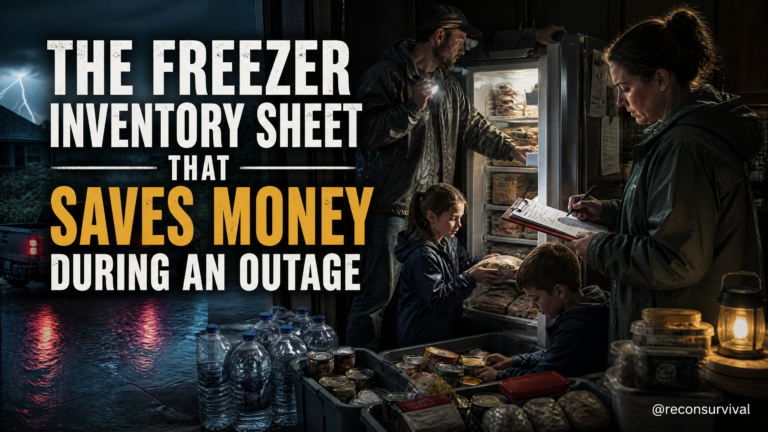
A practical way to make food safety and meal decisions in the first half-day of a power outage, but most advice is either too generic, too gear-focused, or too late.
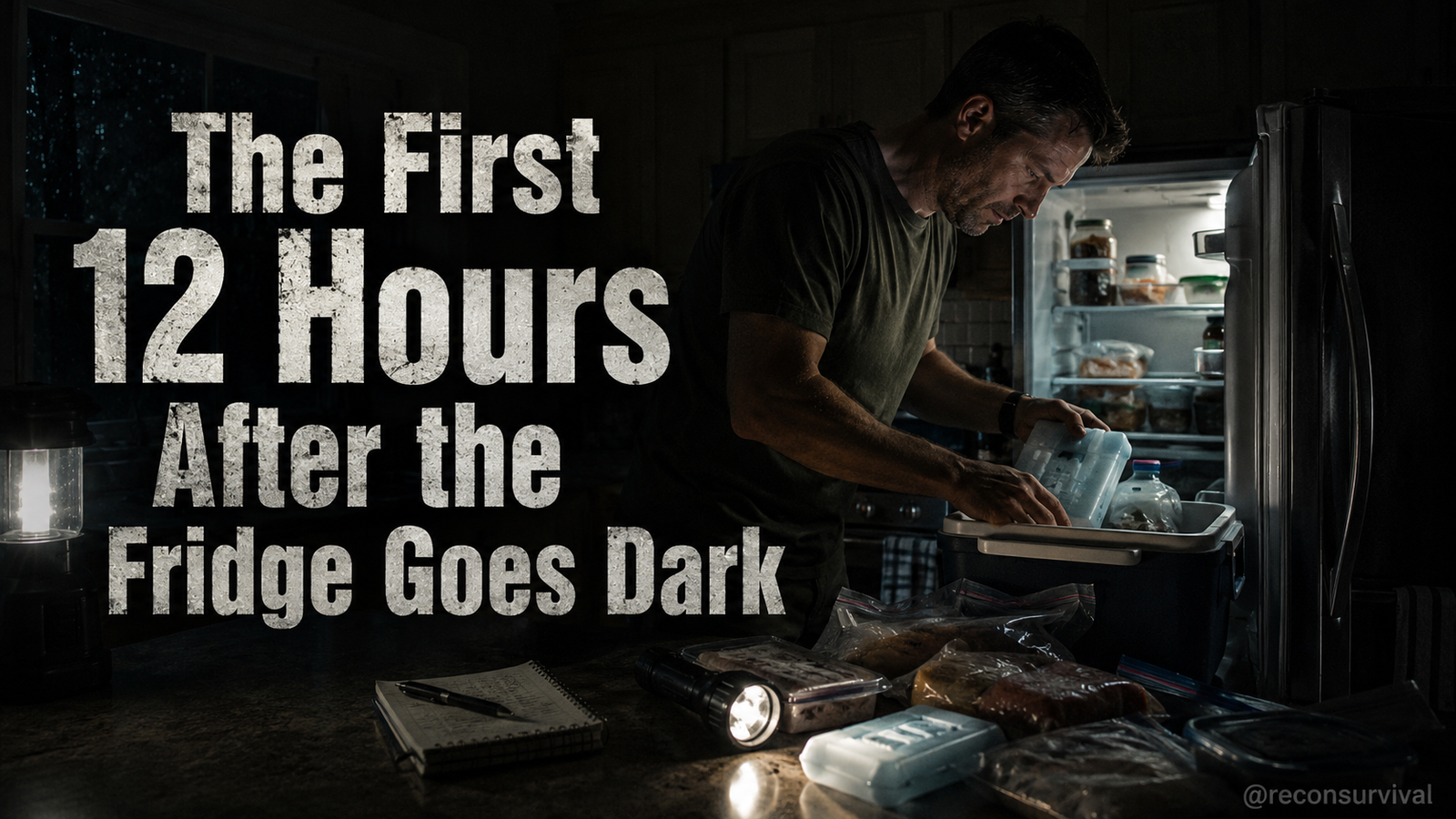
When the lights flicker and the hum of your refrigerator vanishes, the clock doesn't stop, but your safety margins do. Most homeowners treat a power outage as a temporary inconvenience lasting a few hours, waiting to see if the grid bounces back before taking any real action. That hesitation is where food safety gets compromised and meal plans collapse into panic. This guide provides a calm, realistic framework for making critical food safety and meal decisions in the first twelve hours after the fridge goes dark, ensuring your household remains fed and safe without relying on fear or fantasy scenarios.
Why Summer Grid Stress Changes the Rules
In late June, the demands on the electrical grid shift significantly. High temperatures drive air conditioning usage to new highs, while increased storm activity creates the potential for widespread outages. When grid stress hits a household in mid-summer, the ambient temperature is often 80°F (27°C) or higher. This isn't just a matter of discomfort; it accelerates bacterial growth in perishable foods and increases the internal temperature of your refrigerator and freezer faster than in the winter.
The goal here is resilience, not disaster preparation. You are not preparing for an apocalyptic collapse; you are preparing for a localized storm, a substation failure, or a peak-load shedding event that lasts from a few hours to a day or two. Understanding these environmental factors allows you to act with precision. The longer food sits in the "danger zone" between 40°F and 140°F (4°C and 60°C), the greater the risk of spoilage. In summer heat, that window shrinks rapidly. Your response must be immediate, measured, and based on what is actually in your storage spaces rather than what you wish you had.
The Mistake That Wastes Food and Sanity
The most common mistake people make during the first half-day of a power outage is the "wait and see" approach. You turn off the fridge light, wait thirty minutes to see if the power returns, and then decide to throw away food. This delay causes two things: it raises the internal temperature of the appliance, and it leaves you without a clear plan for meals while you are still waiting. By the time you decide to eat, you have consumed the most convenient food available, often resorting to canned goods you didn't intend to cook tonight.
This reactive mindset leads to significant food waste and unnecessary stress. You end up throwing away safe food because you didn't have a protocol for triage. The solution is to shift from a reactive posture to a proactive decision-making process the moment the lights go out. You need a system that tells you exactly what to do in the first hour, the second hour, and the first twelve hours. This approach removes the guesswork and allows you to focus on what matters: keeping your family fed with safe food and clean water.
The Recon Survival System for the First 12 Hours
The Recon Survival system for this scenario is built on three pillars: Inventory, Triage, and Execution. The objective is to assess your situation, categorize your food based on its safety and storage conditions, and execute a meal plan that utilizes available resources efficiently. This system helps you determine what can be kept, what must be eaten immediately, and what can be discarded to prevent food poisoning.
This method connects your pantry supplies to actual meals, ensuring you are using ingredients you already have on hand. It also accounts for water storage needs and rotation, ensuring that what you use is what you plan for. By treating food safety as a structured checklist rather than a gut feeling, you reduce waste and maintain a calm household even when the grid is down. The steps below are designed for a normal household to implement immediately without needing specialized gear or years of practice.
Step One: Secure the Cold Chain and Assess
The moment the power fails, your first physical action is to seal the kitchen. Ensure the refrigerator and freezer doors are tightly closed. A standard refrigerator will keep food safe for approximately four hours, while a freezer will keep items frozen for 24 to 48 hours if kept closed. Do not open the doors during this assessment phase. If you have an appliance thermometer, record the temperature immediately. If it reads 40°F or below, you are in good shape for now.
Next, assess the ambient room temperature. In late June, the kitchen will be warmer, meaning the fridge will warm up faster. If you have a generator or backup power, you can run it solely to keep the freezer operating while you manage perishables in the refrigerator. If you do not have backup power, you must assume the cold chain is compromised and begin the triage process. This is not about panic; it is about honest assessment of the environment you are operating in.
Step Two: Triage Your Perishables
Now that the doors are closed, evaluate the items inside. Divide your inventory into three categories: "Safe to Keep," "Eaten Immediately," and "Discard or Process."
Safe to Keep: Hard cheeses, dried goods, frozen meats, and eggs that are not cracked usually retain quality if the fridge didn't get too warm. If the thermometer showed 38°F to 40°F for the first few hours, these items are likely fine.
Eaten Immediately: Raw meat, seafood, and poultry are the most perishable. If the power has been out for two hours or the food has warmed above 40°F, move these items to the top of your meal list. Plan your dinner tonight to include the fish or chicken that is at risk. Do not try to "make do" with spoiled meat; safety is the priority.
Discard or Process: If the food has been out of temperature control for more than four hours in summer conditions, or if you notice an off smell or texture, it must be discarded. For items that are borderline, consider flash-freezing them if you have a generator to restart the freezer later, or using them in soups where spices and cooking times will be forgiving. Always err on the side of caution with raw proteins.
Step Three: Execute the Meal Plan
Connect your supplies to actual meals to prevent waste. Look at the "Eaten Immediately" category first. If you have a rotisserie chicken that is fully cooked, it can be eaten cold or reheated with water on the stove for soups. Use your canned goods and frozen vegetables to round out the meal. If you have a water outage as well, prioritize rehydration and cooking with minimal water.
Rotate your inventory as you use it. If you are using a canned item for a meal, write the date on the lid or move it to the front of the pantry. This ensures you use older stock before newer stock, reducing the likelihood of finding expired goods when you eventually restock. Store your non-perishables in cool, dark places to extend their shelf life. Avoid storing milk or fresh eggs in direct sunlight or next to the stove, as heat is the enemy of storage life.
Recon Survival Principle
Principle of Triage over Abundance: Possessing supplies is useless if you lack a plan for their use. The Recon Survival philosophy dictates that a pantry is not a plan unless the food becomes actual meals. In the event of an outage, the most valuable asset is not the quantity of food stored, but the ability to quickly identify what is safe to eat and what is not. A well-stocked pantry without a rotation and meal-plan system leads to waste and confusion. Always prioritize immediate utility over long-term storage when the grid fails.
Pantry and Water Checklist for Waste Reduction
To make this system effective, you need a clear view of your resources. Use this checklist to evaluate your storage conditions and meal capabilities during an outage.
- Temperature Check: Can you see the appliance thermometer? Is the reading below 40°F?
- Inventory Visibility: Are items grouped by category (e.g., all proteins together, all dairy together)?
- Water Storage: Do you have at least one gallon of water per person per day stored? Is it labeled with the date?
- Freezer Load: Is the freezer full? A full freezer maintains cold longer than an empty one.
- Meal Mapping: Can you list three meals you can cook with current canned and frozen goods?
- Waste Audit: How much food was wasted last month due to expiration? Adjust your buying habits to match your cooking rate.
If you see items that are nearing their expiration date and are not being rotated into meals, prioritize them for the first night's cooking. This reduces waste and ensures you are using the freshest, safest food available.
Do Today
Take one small readiness action today to improve your ability to handle the first half-day of a power outage. Follow these concrete steps to build your resilience:
- Check your appliance thermometers: Ensure you have at least one functioning thermometer in your fridge and freezer, and that they are readable.
- Map your freezer contents: Write the date of purchase on the outside of freezer bags and containers. Organize items so the oldest are in the front.
- Identify quick meals: Select three meals you can cook in under 30 minutes using canned goods, frozen vegetables, and eggs. Keep these ingredients easily accessible.
- Review water storage: Count your current water supply. Ensure you have enough for at least one day per person, plus extra for hygiene needs.
- Test your backup power: If you have a generator or UPS, run a brief test to ensure it is ready for summer grid stress events.
- Inspect your food stock: Remove any items that are past their expiration date or show signs of damage, and plan to use or discard them immediately.
- Create a household signal: Establish a verbal signal with family members to alert everyone immediately when the lights go out, so you all can check the fridge and execute the system together.
Do Today
Do not make assumptions about the duration of the outage or the safety of your food.