A practical way to teach how to verify outage scope, estimated restoration, local hazards, and household next steps, but most advice is either too generic, too gear-focused, or too late.
The Quiet Moment Before the Light Goes Out
When the thermostat is cranked down and the air conditioner hums, the household often takes a momentary pause in its readiness routine. However, in late June, the air conditioning demand peaks, and storm activity intensifies. For Recon Survival readers, the practical problem isn't just about surviving a storm; it is about the sudden transition from comfort to chaos when the grid fails. The real-world issue this lesson solves is the gap between the first flicker of darkness and the moment panic sets in. Many households assume the outage will be brief or that the next-door neighbor has the answers. This gap creates dangerous seconds of confusion regarding safety hazards, food spoilage, and structural risks. We are here to bridge that gap with a specific, repeatable method for verifying reality before reacting.
Why Summer Grid Stress Demands a Calm Reality Check
It is critical to understand the mechanics behind summer blackouts without succumbing to alarmism. During peak heat, the electrical grid operates under maximum load. When combined with late-season storm activity, the stress on infrastructure increases significantly. This matters because power outages in summer are frequently compounded by heat stress on both the grid and the population. Unlike winter, where cold snaps are predictable, summer outages often hit during the most critical window for hydration and cooling. Fearmongering suggests these are rare events; data suggests they are frequent occurrences of increasing duration. The grid is not built for simultaneous failure of cooling systems and storm damage. Recognizing this environmental pressure helps you understand that an outage is not an isolated incident but a potential cluster event requiring specific management strategies. We are not predicting disasters; we are acknowledging the physical limitations of the infrastructure we depend on.
The Most Common Mistake: Acting on Rumors
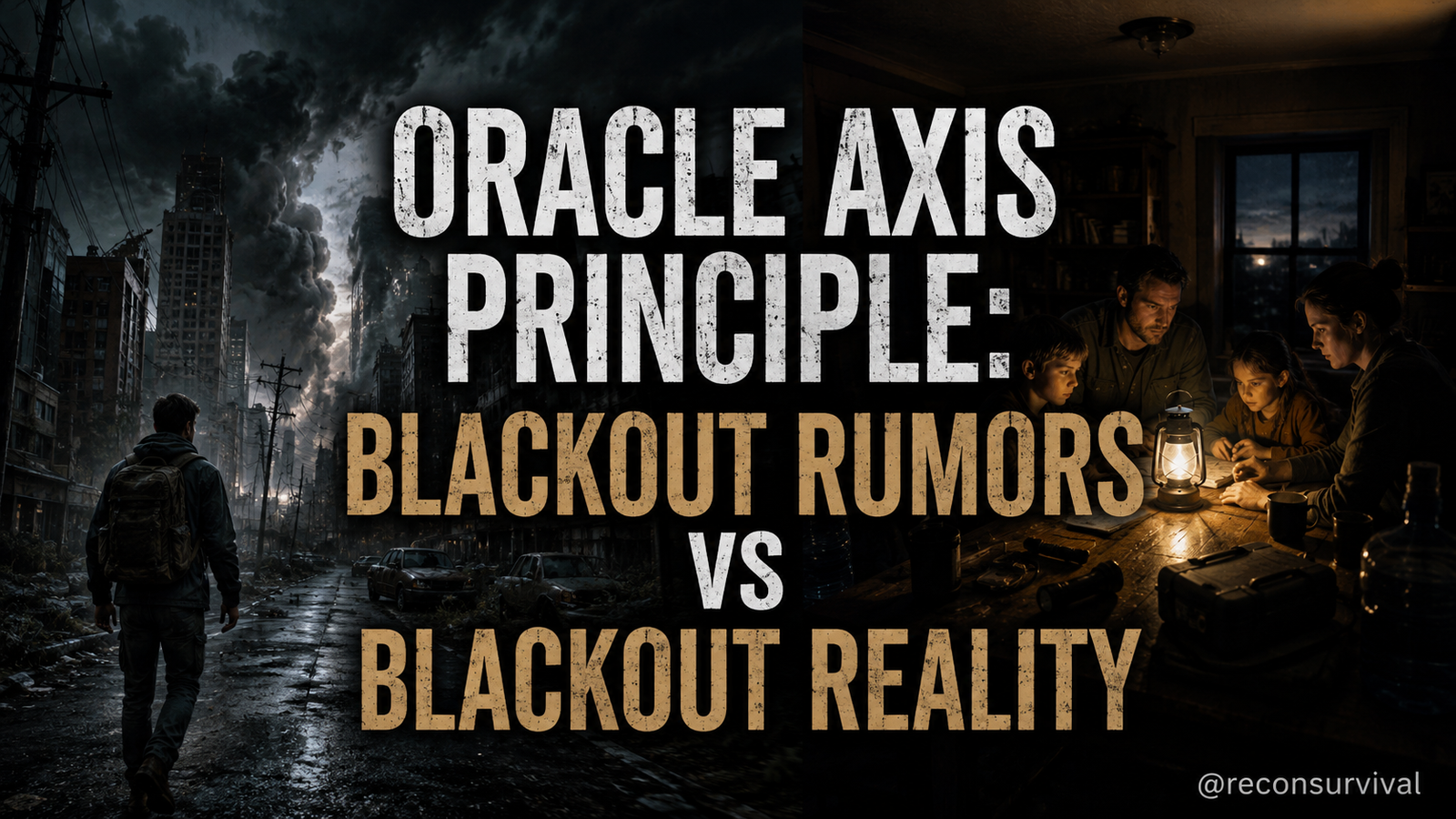
The most common mistake people make when the lights go out is assuming the situation reported by a neighbor or heard on an unverified social media post is the full scope of the event. People often wait too long to verify outage scope and estimated restoration times before acting. If your neighbor says, "The power's been out since morning," and you hear a radio report of a localized transformer fire, you might assume your area is safe to drive out to check for supplies. However, if the grid is down in a wider zone due to severe weather, your neighbor's situation could deteriorate rapidly. This mistake stems from a lack of signal verification. Relying on hearsay or fragmented information leads to poor decision support. You might leave your house to a dangerous road condition or expose perishable goods to spoilage without knowing the actual timeline for restoration. The calm, nonpartisan approach requires you to filter the noise of rumors against official signals and your own direct observation of the environment.
The Recon Survival System for Verification and Action
To address the need to teach how to verify outage scope, estimated restoration, local hazards, and household next steps, we utilize a structured signal verification briefing. This system converts big-picture signals into household-level decisions through a four-part framework. The system works by first establishing the source of information, then cross-referencing local conditions, assessing immediate physical hazards, and finally executing the specific household next steps. This method strips away the gear-focused clutter and focuses entirely on information hygiene and decision triggers. It ensures that when the first wave of stress hits the household, the decision-making process remains automated and calm rather than reactive and panicked.
Step One: Source Triangulation for Scope and Timing
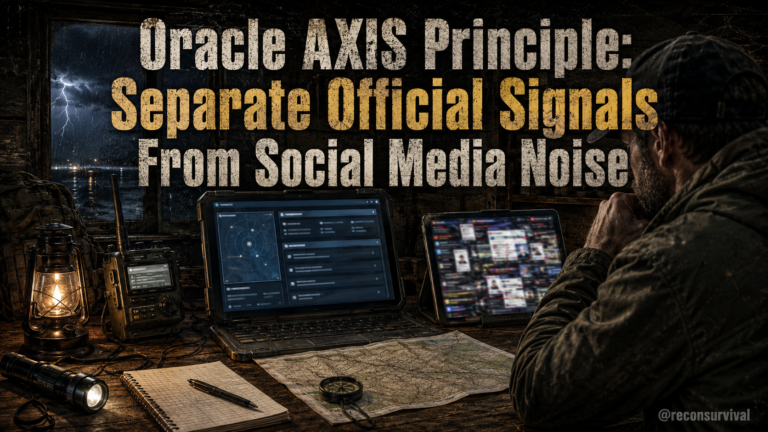
The first step in verifying outage scope is establishing the source hierarchy. Do not act on a single text message or a post on a social media platform. Start by checking the official utility company website for their status page, which usually provides an interactive outage map. This tool allows you to verify outage scope visually to see if your address is marked as affected and to view estimated restoration times. If the official site is down or the server is overloaded, move to the second tier: check the local Emergency Management Agency (EMA) or county website. These entities often maintain backup channels and provide updates when utility communications are strained. Only after exhausting these digital sources should you rely on community networks, such as neighborhood apps or local radio stations. It is crucial to remember that utility estimates are rarely exact. Use the official estimate as a baseline for planning, but build a significant buffer into your household next steps. For example, if the estimate says four hours, plan for a minimum of twelve to prepare for grid failure scenarios that extend into the night.
Step Two: Cross-Reference Local Hazards and Weather Signals
Verifying local hazards is the second pillar of this system. An outage in June is rarely a simple mechanical failure; it is almost always coupled with weather events like severe storms, high winds, or heat waves. You must translate the weather signals into household decisions. Check the National Weather Service (NWS) forecast for your specific micro-climate. If a storm system is approaching, the likelihood of a broader grid failure increases. If the forecast indicates high winds, do not attempt to drive to a neighbor's house or go outside to inspect lines. The hazard is not just the lack of power; it is the falling debris and live wires that accompany summer storms. Verify if your area is in a zone where road closures have been issued. If the power outage is widespread, the primary hazard shifts to traffic safety and structural damage rather than just spoiled food. Understanding the correlation between weather intensity and grid vulnerability allows you to make early warnings about when to stay put versus when to evacuate.
Step Three: Execute Household Next Steps Within the First Hour
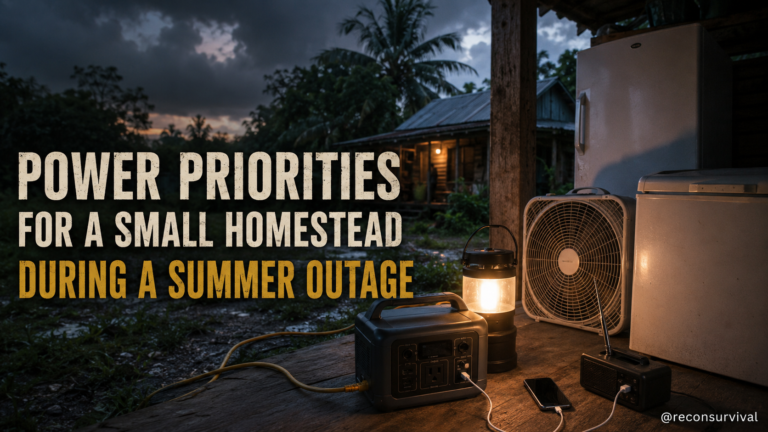
Once scope and hazards are verified, the third step is executing your household next steps immediately. The first action is to secure perishables if you have not already done so. Move items from the refrigerator into cooler areas, but be aware of the rate of spoilage. The second action is to manage the transition to alternative lighting and cooling. Use battery-operated fans rather than generators if possible, ensuring ventilation remains safe. The third step is to establish a communication protocol with neighbors. Instead of panicking, designate one household member to check on others only if there are known safety hazards or if you have verified that they are safe. This prevents unnecessary driving in hazardous conditions. If you have a backup power source, do not start it until you have verified the outage scope, as some utility companies discourage turning on generators if the line is down nearby due to fire risk. These next steps are the difference between maintaining stability and descending into chaos.
Step Four: Monitor the Signal Loop for Status Changes
The final component of the system is the continuous monitoring of signals. Do not assume the estimated restoration time is set in stone. The grid is dynamic. If you see updates on the utility website or via local alerts that the situation is worsening, you must adjust your plan. This involves re-evaluating your household next steps. If the outage duration extends beyond the predicted window, you may need to switch to dry food rations or activate water purification protocols. This step teaches how to verify that the situation is evolving and requires a dynamic response rather than a static one. By treating the outage as a living situation rather than a fixed event, you maintain the flexibility needed for Recon Survival readiness. This signal loop ensures that your household actions remain aligned with the current reality of the grid and the weather, preventing decisions based on outdated information.
Recon Survival Principle: Oracle AXIS and Decision Triggers
To connect summer grid stress and blackouts to a broader framework of awareness, we look to the Oracle AXIS Principle. This principle is not about predicting specific disasters with certainty; it is about creating a mission for awareness, signals, and decision support. Think of it as an early warning system for your mind. The principle teaches that early warning is not about knowing exactly when a storm will hit, but about being primed to recognize the signals that precede it. In the context of a blackout, the "trigger" is the initial drop in temperature combined with a specific alert from the utility or weather service. Once this trigger is recognized, the household shifts from a relaxed mode to a preparedness mode. This allows for calm household action without fearmongering. The platform is not a crystal ball, but a tool for organizing the chaos of information. It helps you distinguish between a rumor and a verified signal, turning big-picture signals into actionable household decisions. By adopting this mindset, you reduce the cognitive load during a crisis, allowing you to focus on the practical tasks of safety and survival.
Do Today
Apply the verification system to your household plan today. Use this checklist to ensure you are ready for the summer grid stress season.
- Open the official utility website for your address and note the outage reporting mechanism, ensuring you have the direct link saved offline.
- Check the local Emergency Management Agency website to see if there are specific alerts or storm advisories active for your region today.
- Review your perishable food inventory and verify that your cooler capacity is sufficient for at least a 12-hour outage without immediate power loss.
- Test your battery-operated fan and light sources to ensure they function correctly before relying on them for cooling and illumination.
- Designate one household member to be the "Signal Monitor" responsible for checking status updates every two hours during an outage.
- Write down a specific list of "Do Not Drive" conditions, such as standing water, downed lines, or active wind advisories, to prevent unnecessary movement.
- Conduct a brief family meeting to explain the difference between a neighbor's experience and the verified outage scope, ensuring everyone understands the importance of waiting for official signals before making movement decisions.