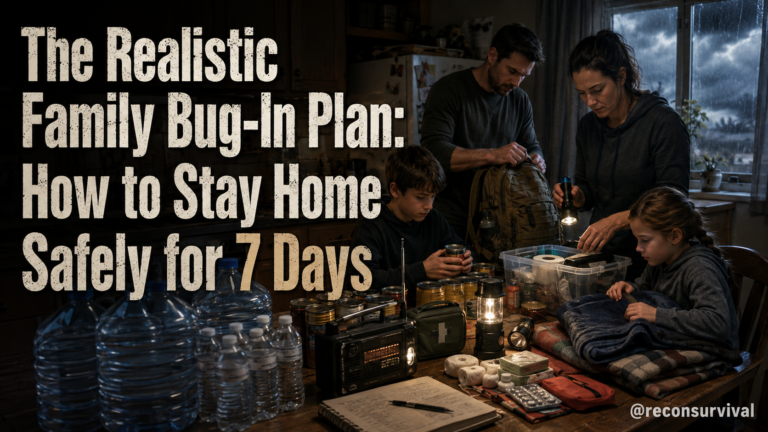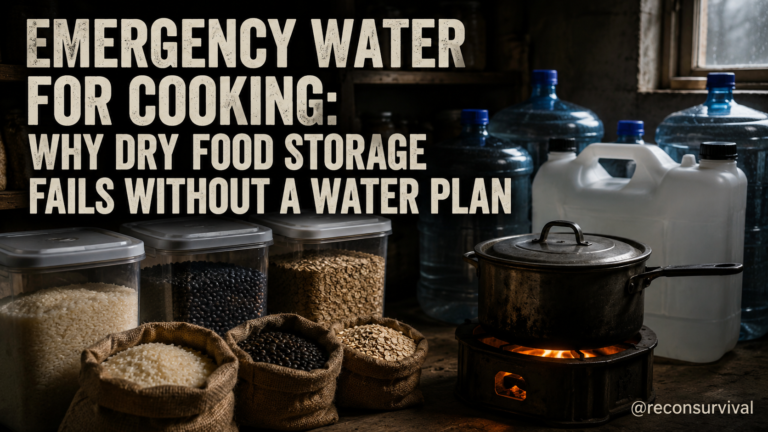
A practical way to turn a yard, garden, shed, garage, and outdoor cooking area into useful emergency support zones, but most advice is either too generic, too gear-focused, or too late.
As an Amazon Associate, I earn from qualifying purchases.
Today’s focus addresses the real-world problem where families struggle to turn a yard, garden, shed, garage, and outdoor cooking area into useful emergency support zones. Most advice found online is either too generic, too focused on expensive gear, or suggests waiting until a disaster strikes to start planning. That approach fails the moment the household needs resilience most.
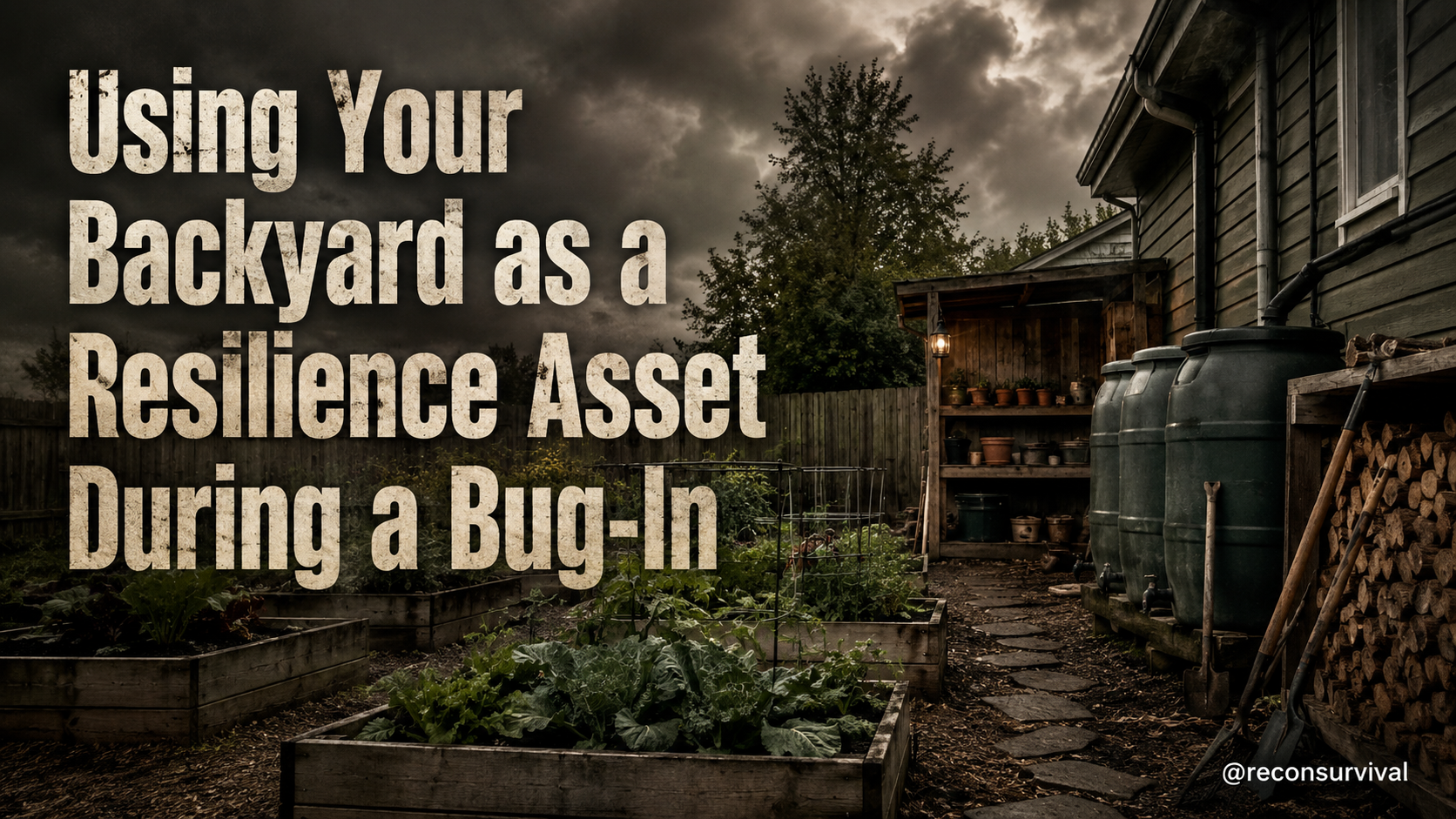
This matters for the realistic family bug-in plan because these outdoor spaces often hold the tools, food, water, and fuel required to keep a household functioning when the power grid fluctuates or roads become difficult. A yard with mature trees can provide shade and windbreaks. A garden with root vegetables can supply calories for days. A shed with dry firewood can offer heat. A garage with a generator and fuel containers provides the energy backbone. These areas are not just aesthetic or for recreation; they are assets that define how long your family can stay put safely without leaving the immediate vicinity.
The Recon Survival practical system for how to turn a yard, garden, shed, garage, and outdoor cooking area into useful emergency support zones relies on function-first organization. You define the primary purpose of each space before adding emergency utility. This prevents the clutter from becoming a liability. The system treats the yard as a buffer zone, the garden as a food source, the shed as a tool bank, the garage as a power and fuel hub, and the outdoor kitchen as a processing center.
The Practical System for Outdoor Support Zones
To build this system, you first categorize the assets in each location. You strip away items that serve no immediate household function or pose a trip hazard. You then assign a specific emergency task to each remaining item. For example, a hose in the yard is not just for watering grass; it is your primary water transfer line. A bench in the yard is not just for relaxing; it is a place for triage or resting while waiting for conditions to clear. Inside the shed, every tool is assigned to a specific repair task like clearing a blocked drain or fixing a roof leak.
Break the system into clear steps a normal household can use. Step one is inventory. Walk the perimeter of the property and every structure attached to it. Identify what works, what breaks, and what is dangerous. Step two is zoning. Decide which areas serve which function during a bug-in scenario. Step three is redundancy. Ensure that critical functions like water access and heat generation have backups within these zones. Step four is access. Ensure that pathways are clear of overgrowth and that doors open easily without keys if possible. Step five is maintenance. Schedule regular checks to ensure that the gear in these zones remains ready.
Apply the topic to a small backyard or small homestead. Space is often tighter, so the efficiency of each zone is paramount. In a small backyard, every square foot of garden must yield food that is stored for use later. A small shed must hold only what fits, prioritizing hand tools and multi-purpose items. A small garage must be organized to allow immediate access to a generator and fuel. You do not need a large footprint to create a support zone; you need a clear mental map and organized storage. For instance, a small compost bin in the corner can provide fertilizer that sustains a garden, while also indicating where you have a plan for waste management during a bug-in.
Include a low-cost option and a more durable upgrade path. The low-cost path involves organizing what you already have. Use existing containers for water storage, move heavy furniture to clear access routes, and designate specific shelves in the shed for emergency tools. The upgrade path involves investing in durable infrastructure. This could include installing a rain catchment system on the shed roof, building a proper fire pit with a heat shield for cooking, or replacing flimsy garden gates with reinforced ones to keep animals or intruders out. A durable path also involves securing water tanks that will not crack under freezing temperatures if you live in a cold climate, or selecting a shed material that resists rot.
Recon Survival Principle
Do Not Treat Assets as Passive
Do not assume that because you own the tools, the garden is ready, or the shed exists, that the system is ready. Ownership does not equal utility. In a crisis, the difference between survival and suffering often comes down to whether you have pre-decided how to use the assets you own. A garden is useless if you cannot walk to it because the path is choked with weeds. A tool shed is useless if the door locks require a key you lost. Your principle must be to organize assets for immediate access, not just for storage. This mindset shifts the household from reactive panic to proactive management. It ensures that when the need arises, you can access resources without wasting time searching or fumbling. This discipline allows you to maintain calm and focus on the people who depend on you.
Apply the topic to a small backyard or small homestead. In these settings, the distinction between the house and the backyard is often blurred. The backyard becomes an extension of the living space. You must integrate your emergency support zones into this living space without compromising safety. If you have a small porch or patio, treat it as part of your outdoor kitchen. If you have a small garden, treat it as your pantry. You do not need to expand the footprint; you need to increase the density of utility. This means using vertical space for storage and ensuring that every item has a defined role in the emergency plan.
Action Step Checklist
End with a clear action step or checklist. You can turn the areas around your home into useful emergency support zones by following these concrete actions.
- Inspect Access Routes. Walk the perimeter of the yard and every structure attached to it. Ensure that pathways to the garden, shed, and outdoor cooking area are clear of overgrowth, fallen branches, or debris that could block access. Clear at least a three-foot wide path to ensure you can move easily even if you are injured or carrying gear.
- Audit Water Sources. Identify all water sources available in the yard, such as garden hoses, rain barrels, or ponds. Connect hoses to a functional spigot if needed. Ensure that any rain barrels are located at ground level and have a lid to prevent contamination. If you have a garden, check that you have a plan for transferring water from the irrigation lines to storage containers if the main lines are shut off.
- Organize the Shed. Go through the shed and remove any items that are not essential for household maintenance or emergency repair. Group tools by task, such as carpentry, plumbing, and landscaping. Label shelves or containers so you can find what you need quickly. Ensure that there is enough light to see where items are stored, using battery-powered led lantern if electricity is unavailable.
- Evaluate Outdoor Cooking Gear. Check your outdoor cooking area, whether it is a designated fire pit, a propane grill, or a charcoal station. Ensure you have multiple fuel sources, such as a propane tank and a supply of dry firewood. Store fuel in a well-ventilated area away from flammable materials. Test your cooking gear now so you know if it works before an emergency occurs.
- Secure Tool Storage. Verify that heavy tools are stored securely to prevent them from becoming projectiles if the wind picks up. If you have a garage, organize long items like ladders or poles so they do not block access to other equipment. Store chemicals or hazardous materials in a fire-safe container away from heat sources.
- Define Shelter Zones. Identify areas in the yard that provide natural shelter from wind or sun, such as under large trees or next to a sturdy structure. Ensure these areas are clear of falling branches and do not pose a tripping hazard. If you have a temporary structure like a canopy or a tarp, ensure it is stored in the shed and ready for deployment.
- Document Your Plan. Write down your plan for using these spaces during a bug-in scenario. Include notes on where to find tools, how to access water, and how to prepare food outdoors. Share this plan with your household so everyone knows their role. Review this plan annually or after any significant change to your property.
This process turns passive assets into active support systems that extend your household’s ability to function. It requires a calm, realistic, value-first approach to preparedness that prioritizes function over form.
Resources to Review
For more on organizing your property, see the Homesteading & Gardening section. For storing food and water, check the Food & Water Storage category. For power solutions, refer to Off-Grid Living guides.
Do Today
Follow this checklist to start building your outdoor resilience assets:
- Walk the perimeter of your property and clear all access paths to the garden, shed, and garage. 2. Check your garden for overgrowth that might block access to rows or storage. 3. Inspect your shed for items that need to be moved or discarded to improve flow. 4. Verify that your outdoor cooking gear works and that you have enough fuel for several days. 5. Review your water connections to ensure hoses lead to storage containers. 6. Note any areas in the yard that could serve as shelter or triage points. 7. Write a short paragraph describing your plan for using these spaces in a bug-in scenario.
By treating your yard, garden, shed, garage, and outdoor cooking area as integral parts of your emergency plan, you ensure that your household has a buffer against external disruptions. This approach builds resilience that goes beyond the house walls, creating a practical support system that can sustain you when the grid fails or when you cannot leave safely. It is about preparing for the realistic scenario where your immediate surroundings become your sanctuary, and you must know exactly how to use every tool, every drop of water, and every square foot of space to keep your family safe and fed.
If you have specific questions about adapting these zones to your property, share your layout or constraints. I can help you tailor the plan further. Stay practical, stay calm, and keep building a home that supports you when it matters most.