A practical way to choose foods that survive outages, reduce water needs, and avoid last-minute panic buying, but most advice is either too generic, too gear-focused, or too late.
As an Amazon Associate, I earn from qualifying purchases.
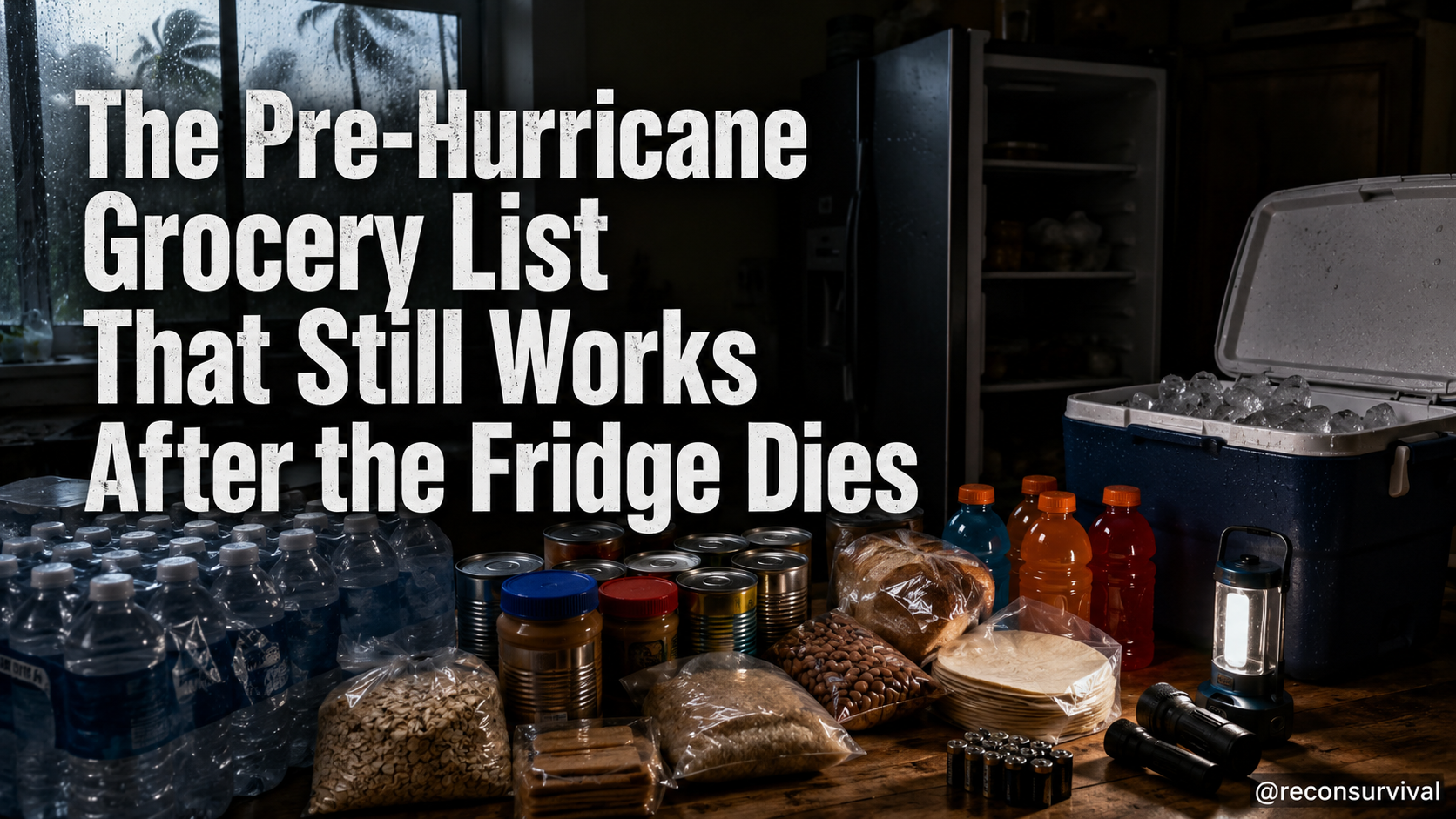
Most households face a hard truth during a power outage: the food in your refrigerator and freezers turns to spoilage within hours. As the days of May wind down, the focus shifts from general preparedness to securing the specific reserves needed for hurricane season. This article solves the practical problem of choosing foods that remain edible without electricity, significantly reduce your daily water consumption, and prevent you from making panic-driven purchases when the storm arrives.
Why the Food in Your Kitchen Matters for the Hurricane Ready Kit
A hurricane season ready kit is not just a box of supplies; it is the difference between eating a cold meal and going hungry while waiting for relief. When the power grid fails due to high winds or flooding, conventional cooling methods cease to function. In these conditions, safety standards for food storage change drastically. A meal that requires refrigeration or specific water access for cooking becomes a liability if you lack the right alternatives.
The Most Common Mistake in Outage Food Planning
The most frequent error readers make when building their supplies is treating grocery shopping like a normal trip to the supermarket. People often fill their carts with fresh produce, meats, and dairy items because these are the cheapest and most convenient options to buy. However, these are the exact items that cause the most problems during an outage.
Fresh fruits and vegetables require cold temperatures to prevent rapid decay. They also generally require high water consumption for washing and cooking. If you stock your pantry with items that rely on refrigeration, you create a situation where your food is safe for a day or two before it becomes a health risk. Furthermore, buying last-minute during a storm surge often results in high prices and limited availability. Avoiding these common pitfalls requires a shift in mindset from convenience to durability.
The Recon Survival Practical System for Choosing Outage-Safe Food
The Recon Survival method focuses on selecting foods that are naturally preserved, require minimal water to prepare, and are resistant to spoilage without a power source. This system prioritizes caloric density and shelf stability to ensure you can feed your family without stressing your water reserves.
The core concept is to replace perishable goods with non-perishable staples that are safe to eat at room temperature. This involves choosing dried foods, preserved meats, and grains that can sit for years without spoiling. By focusing on these categories, you ensure that your food supply remains viable even after a long duration of utility failure. This strategy also naturally reduces water usage, as many of these foods require little to no washing or cooking water compared to fresh alternatives.
Step-by-Step Guide to Building Your Grocery List
To apply this system, follow these clear steps to build a robust household supply without panic buying:
- Identify Fresh Perishables to Replace: Start by looking at your current refrigerator and freezer. List any items there that you have not yet consumed. Plan to replace these with shelf-stable equivalents. For example, replace a carton of milk with a protein bar or canned milk. Replace fresh fish or chicken with canned tuna or ham.
- Select Water-Safe Food Items: Choose foods that do not require large amounts of water for preparation. Dried beans and lentils are excellent choices, but note that you must have water to soak and boil them. Instant soups, dehydrated mixes, and rice are more water-efficient.
- Calculate Family Needs: Estimate the number of people in your household and how many days you aim to survive without power. A common baseline is to aim for a minimum of one to two days of food per person in your daily inventory, with additional reserves for longer-term storage.
- Check for Allergen Requirements: Ensure that your selected shelf-stable foods meet any dietary restrictions or allergies for your family members. This prevents waste and ensures that every item in your kit is usable.
Connecting Supplies to Meals, Water Use, and Storage
It is essential to connect your food choices to actual meals that can be prepared with limited water. For instance, a dehydrated soup mix can be prepared by adding a single cup of water and heating it over a stove or campfire. This is far more efficient than preparing a fresh salad that requires washing multiple pounds of lettuce.
When planning your meals, consider how the food interacts with your water storage. Foods like nuts, seeds, and dried fruits provide high calories and protein without needing water for preparation, though they should be washed before eating if raw. Grains like rice and pasta require water for cooking but can be rationed. By selecting items that are compact and high-calorie, you can stockpile more food without occupying excessive space, leaving room for water containers.
Storage conditions also play a critical role. Heat and humidity accelerate the spoilage of dry goods. Store your supplies in a cool, dark place. Keep your water containers away from direct sunlight to maintain their integrity. Rotating your stock ensures that you consume older items first, preventing them from reaching an expiration date.
Pantry Checklist to Reduce Waste and Increase Readiness
Use this checklist to audit your current supplies and identify gaps before the storm season intensifies:
- Non-Perishable Proteins: Check for canned meats, vacuum-sealed meats, or shelf-stable meat alternatives. Ensure they are rotated and will not expire within the next year.
- Grains and Carbs: Verify your stock of rice, pasta, oats, and beans. Note that beans and rice require more water for cooking than pasta or instant grains.
- Fats and Oils: Ensure you have a supply of cooking oil, butter (if shelf-stable or frozen), and nuts. These are vital for making meals palatable.
- Calorie Densifiers: Check for energy bars, nuts, and seeds that provide quick calories without water.
- Spices and Flavorings: Ensure you have basic spices to make bland canned or dry food appetizing. This helps prevent the psychological fatigue of eating the same plain meals.
- Water Filtration Check: Review your water storage. If you have water filtration tablets or pitchers, ensure they are within their shelf life.
- Expiry Date Audit: Mark items approaching their expiration date for immediate use in normal cooking, and replace them with fresh stock.
Recon Survival Principle
The food you stock today must be the food you can cook without electricity.
This principle guides every purchasing decision. It means avoiding items that require refrigeration or that spoil quickly. It also means choosing meals that are easy to prepare with a minimal amount of water. By adhering to this rule, you build a resilience that allows you to maintain your health and morale during a crisis. The goal is not just to have food, but to have food that can be safely converted into a meal with the resources you have on hand.
Do Today
Take these concrete actions now to improve your readiness before the storm season fully arrives:
- Audit Your Fresh Food: Go to your refrigerator and freezer and identify any fresh produce or meats that you have not used recently. Write down their names and dates.
- Plan One Swap: Choose one fresh item, such as a carton of milk or a package of fresh chicken, and plan to replace it with a shelf-stable alternative in the next shopping trip.
- Check Storage Conditions: Walk through your pantry and closet. Look for signs of pests, moisture, or heat damage. Move your supplies to a cooler location if necessary.
- Review Water Rationing: Calculate how much water is needed to cook your current food supply. If the amount is high, identify which foods you can swap for lower-water options.
- Label Your Supplies: Write the purchase date on all new containers and cans. Use a marker or sticky notes to create a rotation schedule.
- Draft a Meal Plan: Write down three meals you can make using only your current shelf-stable supplies. Ensure these meals require less than one liter of water per person.
- Set a Shopping Limit: Decide on a maximum number of new items you will buy this week to avoid overstocking or panic buying. Stick to your list.
Conclusion
By shifting your focus to foods that survive outages and require less water, you prepare your household for the realities of hurricane season without fearmongering or expensive gear. This practical approach ensures that you are ready when the power goes down and the weather turns severe. Follow the steps above to build a resilient food supply that works for your family, your budget, and your local environment.
For more on building a complete household kit, visit the Food & Water Storage category to explore additional tips and resources.