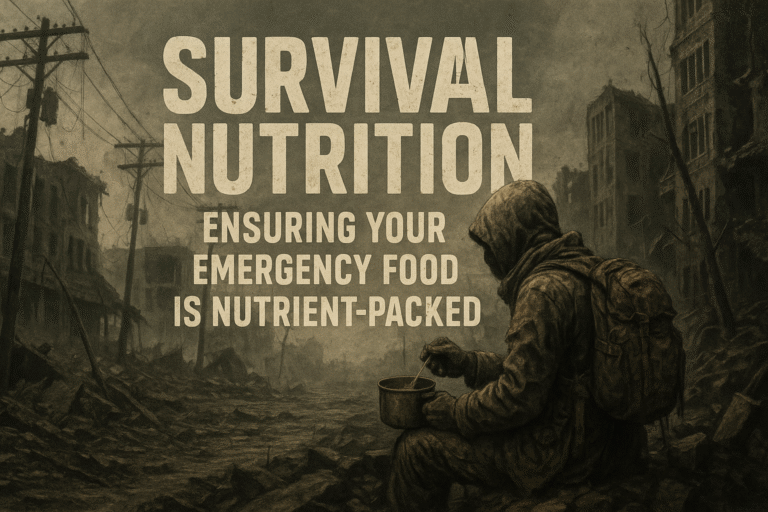
A practical way to prepare simple meals that do not require refrigeration, stove power, or complicated cleanup, but most advice is either too generic, too gear-focused, or too late.
As an Amazon Associate, I earn from qualifying purchases.
The Real Problem Behind a Full Pantry
Most people believe a pantry is secure simply because it is stocked with non-perishable goods. However, the first week of June signals a shift in daily life: increased heat, longer days, and a rise in power stress. The real-world problem this article solves is the inability to provide sustenance during the first critical seventy-two hours when power grids fluctuate or household systems fail. When the refrigerator stops and the electricity flickers, a standard meal plan collapses instantly.
The specific goal is not to build an emergency bunker, but to ensure you can prepare simple meals that do not require refrigeration, stove power, or complicated cleanup. The current advice in many circles often leans too heavily on generic gear lists or fantasy scenarios that do not match the reality of a busy week or a standard grid fluctuation. This approach fails the beginner to intermediate reader who needs a calm, realistic, value-first strategy. The system below provides a clear path to preparing meals that are resilient against power loss and kitchen disruptions.
Why This Matters in Summer Conditions
This topic matters significantly for short outages, hot weather, and kitchen disruptions that are becoming more common in early summer. In the first week of June, the ambient heat begins to raise the baseline temperature inside homes. This means that even with the refrigerator running, the cooling system faces more stress, increasing the likelihood of power dips. If you are relying on a standard meal plan that requires cooking a hot meal or thawing frozen goods, a brief interruption leaves you with no food options.
Furthermore, busy weeks often mean there is less time to manage the kitchen. If a disruption occurs during a high-stress period, complicated cleanup becomes a significant liability. A meal plan that requires a clean stove, a functioning gas line, or a cold counter to thaw ingredients is a liability, not an asset. You need a system that functions regardless of these external variables. It is not about fearing a disaster; it is about respecting the limitations of household systems during the seasonal shift.
The Most Common Mistake in Food Storage
The most common mistake people make with this topic is assuming that shelf-stable goods are sufficient for immediate consumption. Many readers purchase boxes of pasta, cans of beans, and jars of sauce, storing them in the cupboard for a future event. However, a pantry is not a plan until the food is actually prepared. If you do not have a method to convert those ingredients into a meal without a stove or cold chain, the supply is essentially useless in a crisis.
Another error is waiting too long to establish this capability. People often think they will handle the situation once they have acquired a new generator or a new fridge. In reality, if the primary system fails or if you are in a situation where the kitchen is compromised, you need a backup method that has already been validated and practiced. The mistake of waiting until a crisis to try to cook a "no-cook" meal often results in spoiled food, dehydration, or simply hunger while waiting for the grid to return.
The Recon Survival No-Cook System
The Recon Survival practical system for preparing simple meals without refrigeration, stove power, or complicated cleanup relies on three core pillars: thermal stability, low water use, and dry storage. This system is designed for a normal household to use immediately. It breaks the process down into manageable components that can be integrated into existing storage spaces. The focus is on value-first solutions that address actual hunger needs.
The system utilizes ingredients that are naturally shelf-stable or require minimal intervention to be ready. It avoids the need for complex canning or preservation techniques. Instead, it leverages the stability of dried goods and pre-processed items that can be eaten directly or with simple preparation. This approach ensures that even if you lose power for several days, you still have the capacity to eat, drink, and rotate your supplies without adding stress to your mental load.
Step-by-Step Implementation Guide
To implement this system, follow these clear steps that a normal household can use.
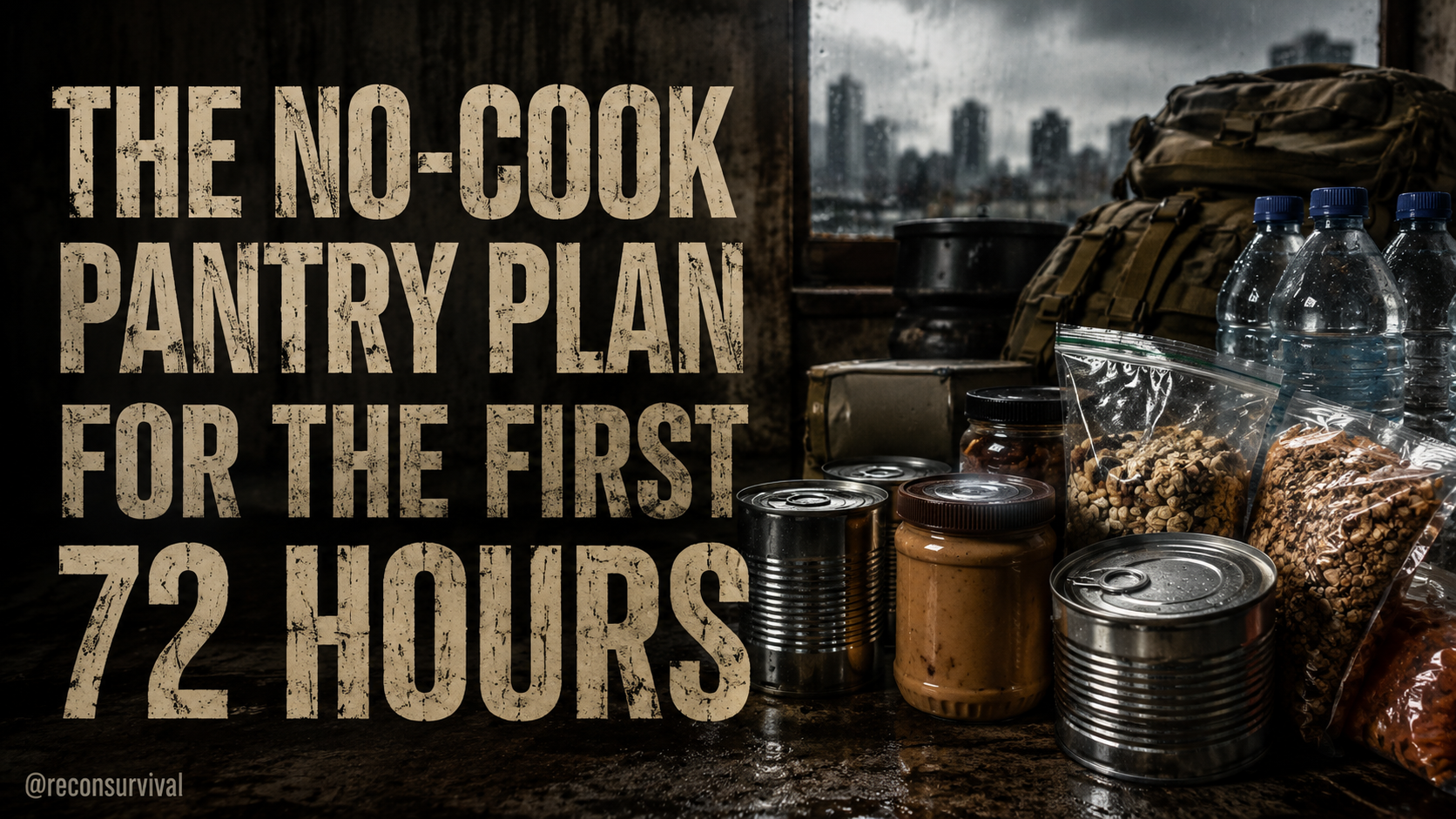
- Inventory the Dry Goods: Begin by reviewing your current cupboard and pantry. Identify items that are dry and can be eaten as-is or with minimal water. These include rice, oats, dried fruits, nuts, and crackers.
- Select Shelf-Stable Canned Goods: Add a selection of canned goods to your stock that require no heat or water to eat. Examples include canned fruit in light syrup, tuna in oil, chicken in broth, and ready-to-eat meals like MRE components or vacuum-sealed pouches. Ensure you have a way to open these items, such as manual can openers or sturdy screw-top containers.
- Establish a Rotation Rule: Adopt a strict rotation policy for all stored food. Use the "first in, first out" method. If you buy a box of crackers, place it behind the box that is already in the pantry and use it within the week. This prevents waste and ensures that the items in the back are never expired.
- Water Management: Connect your food storage to your water use. Some foods like oatmeal or rehydrating dried fruit require water. Store these in a dedicated area of the pantry and ensure you have a plan for accessing water without using your main kitchen sink.
- Storage Conditions: Keep all items in a cool, dry place. Direct sunlight and humidity from a leaking roof or garden hose damage food long before it expires. Check seals on canned goods regularly.
- Meal Assembly: Plan for meals that are already complete. A can of tuna mixed with a few dried crackers is a complete meal. A pouch of rice with a side of canned beans is a complete meal. These combinations reduce the need for cleanup and preparation time.
- Documentation: Document what you have in a simple notebook or digital file. Note expiration dates and where items are stored. This allows you to locate food quickly without having to search through every shelf.
Connecting Supplies to Actual Meals
Connecting your supplies to actual meals is the key to reducing anxiety and increasing readiness. A supply of dried rice is useless unless you have a plan to rehydrate it. If you lack a stove, you must rely on pouches, pouches of instant oatmeal, or foods that can be eaten cold. A supply of canned goods should be paired with a list of simple combinations, such as beans and rice or tuna and crackers.
Water use must be integrated into this planning. If you plan to eat oatmeal, you need a reliable source of water. If you are eating canned fruit, you do not need water, but you do need to ensure the can is not damaged. Storage conditions are critical; high heat accelerates spoilage. Keep your food in a basement or interior closet away from windows. This protects your supplies from the heat waves common in June.
Rotation ensures that you do not hoard expired goods. Use your regular grocery runs to replenish the front of the pantry. This practice keeps your inventory fresh and up to date. By connecting these elements, you create a resilient food system that works regardless of the weather or the state of your utility grid.
Pantry and Water Checklist
To reduce waste and ensure you are prepared, use this checklist to assess your current situation.
- Do you have at least 3 days of shelf-stable, no-cook meals? (e.g., canned proteins, dried grains, ready-to-eat bars).
- Is your food stored in a cool, dry place? (Avoid direct sunlight and damp areas).
- Are you rotating your supplies regularly? (Use older stock before it expires).
- Do you have a manual can opener? (Check that it functions without electricity).
- Do you have water stored separately for food preparation? (If needed for rehydrating).
- Are your canned goods free of dents or rust? (Damaged cans may compromise the seal).
- Do you have a list of your inventory? (Written or digital).
- Have you identified one meal per day that requires zero heat? (e.g., a cold sandwich, canned soup, or fruit).
Recon Survival Principle: The Pantry is a Plan Only When It Feeds You
The principle is simple: a pantry is not a plan until it turns into meals. You can stockpile the best ingredients, but if you cannot access them without power or heat, the supply is ineffective. The value of your storage depends on your ability to utilize it during a disruption. Focus on the ability to prepare simple meals that do not require refrigeration, stove power, or complicated cleanup. This mindset shifts the focus from accumulation to utility. A true readiness posture is about having functional food options available when your normal systems fail.
Do Today
End with a clear action step or checklist to ensure you move from theory to practice.
- Audit your dry goods: Check your pantry for items that can be eaten immediately without heat.
- Identify one no-cook meal: Choose a combination you can make in under five minutes with dry goods and canned items.
- Check your water supply: Ensure you have a plan for water access for foods that need rehydration.
- Rotate one item: Find an item that is approaching its expiration date and use it this week.
- Test your tools: Ensure your can opener and manual tools are in working order.
- Store items correctly: Move any items exposed to heat or direct sunlight to a cooler location.
By following this guide, you create a robust food system that works in the first week of June and beyond. The focus remains on practical, value-first solutions that address real-world needs.
- Repeat the check after the next outage, storm warning, trip, or schedule change.