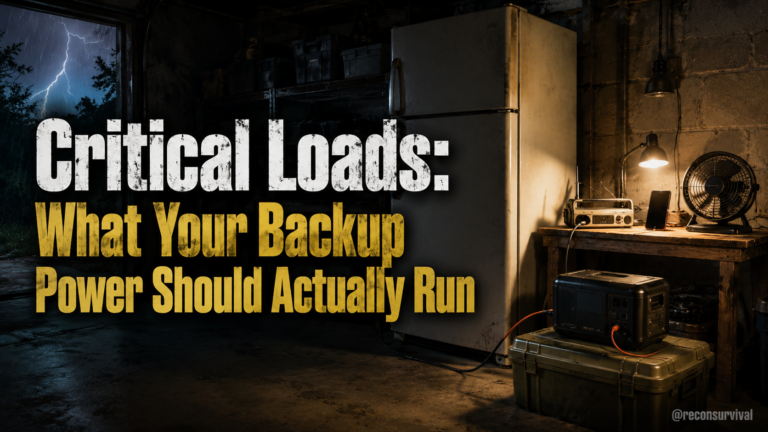
Inside your entryway, the first thing you notice when the lights dim isn't panic; it's the lack of a designated place to manage the immediate aftermath. When the main breaker trips due to high voltage demand or a storm, the chaos in a living room turns quickly into decision paralysis. You cannot wait to figure out which tools you need after the power has gone out. You need the equipment and information already arranged so that the first ten minutes of a blackout are spent acting, not searching.
As an Amazon Associate, I earn from qualifying purchases.
Why Summer Grid Stress Changes Your Timeline
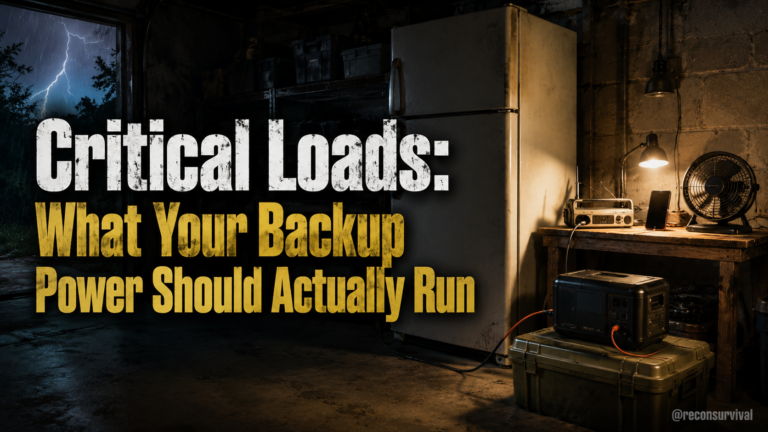
Summer months bring a specific type of pressure to the electrical grid that differs from winter or shoulder seasons. Air conditioning demand spikes, pushing infrastructure closer to its capacity limits. Storm activity often coincides with this peak heat, creating a "double whammy" for grid reliability. When temperatures climb, the likelihood of brownouts or rolling blackouts increases, particularly in the evening when everyone turns on their fans.
This does not mean disaster is imminent or that you should fear a total societal collapse. It means the margin for error in your daily routine shrinks. During these periods, a standard twenty-minute commute to the grocery store might be interrupted. A routine dinner order from a local restaurant might be unavailable. Your home's ability to function as a sanctuary depends on having independent resources that do not rely on the wall outlets. Creating a household station is not about preparing for an apocalypse; it is about maintaining household dignity and safety during a temporary loss of utility.
The Common Error of Waiting for the Storm
People often believe that creating a household station is a one-time event done when a storm warning is issued. They wait until the TV news mentions a cold front or a hurricane, then they rush to buy a generator and pull the emergency supplies from a dark closet. This approach is flawed because it turns a calm activity into a high-stress scramble. When the power fails during a heat wave, your brain is already focused on temperature regulation and communication loss. Searching for a flashlight in a dark hallway while your phone battery dies is a recipe for frustration.
The Recon Survival Household Station Layout
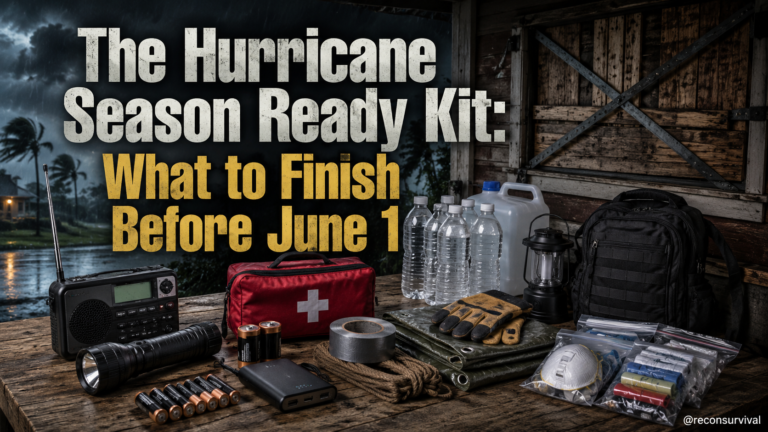
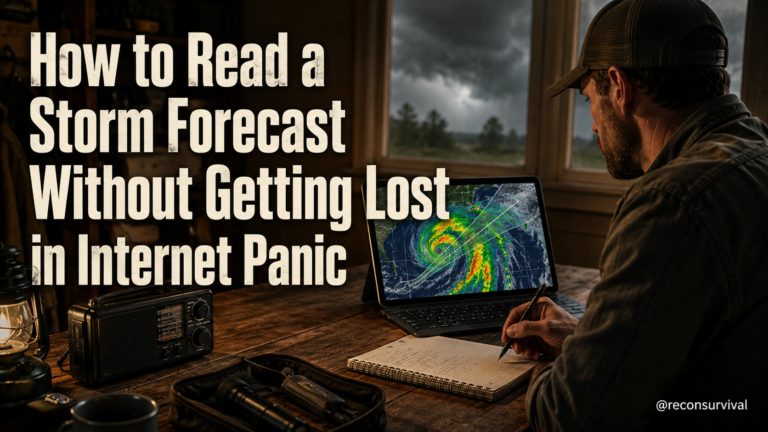
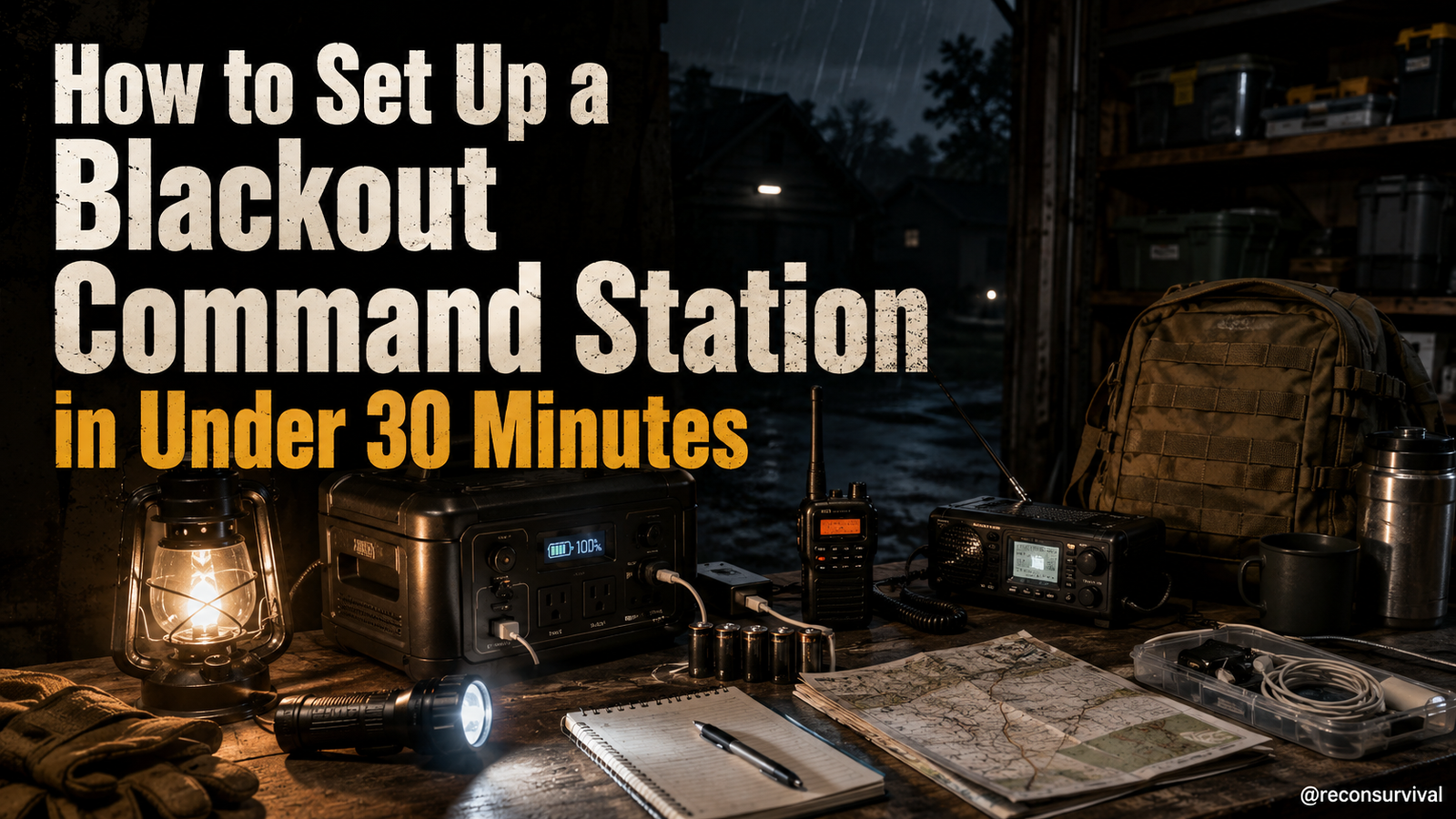
To build a household station that works for a normal family, you must define the physical components required. We are looking for a single location where you can access light, information, power, and communication. This location does not have to be a dedicated room; a large dresser top, a kitchen island, or a sturdy folding table works just fine. However, the contents must be specific. You need a reliable light source, a battery-powered or hand-crank radio, a bank of chargers, a physical notebook, a printed contact list, and a status board.
This layout allows you to sit down and manage your household needs without scrambling for items. The light provides visibility, so you can see what you are doing. The radio ensures you have access to information from official sources that may not be on the internet. The chargers allow you to keep your phones alive for communication and navigation. The notebook provides a record of what you have consumed, what tasks you need to perform, and how your family members are doing. The contact list ensures you can reach neighbors and family who might be separated. The status board tracks the location of family members and the status of your water, food, and fuel supplies.
Step-by-Step Station Assembly
Breaking the assembly into clear steps makes the task manageable for anyone in a household, regardless of prior experience. Start by choosing your station site. It should be away from windows that might break from debris but close enough to the main door to allow easy exit if needed. Next, gather your tools. You will need a sturdy lantern, a NOAA weather radio, a set of USB power banks, a bound notebook with a pen, a printed list of phone numbers, and a whiteboard or piece of paper for the status section.
Place the light source in the center of the station so it illuminates the entire surface. Position the radio so the antenna is free of obstruction. Arrange the chargers and power banks within easy reach of any device that needs them. Write your notebook page with a table at the top for tracking inventory and another section for writing logs. Paste or pin your contact list to the back of the notebook or a nearby wall so it is visible but not blocking the writing surface. Use a magnet, velcro, or push pins to attach your status board, where you can mark "OK" for each family member and note the status of your reserves. This order ensures that when you sit down, every piece of the puzzle is in its designated slot.
Recon Survival Principle: Functional Order Over Gear Quantity
A functional order over gear quantity. Many readers look at the sheer volume of equipment in prepper videos and assume that is the key to resilience. However, the core principle here is that organization is more critical than accumulation. A well-ordered station with basic items is far more useful than a cluttered mess of untested gadgets.
You can test this principle by thinking about your own home during a high-stress situation. You would not want to waste energy moving piles of batteries to find a dead one. You would not want to spend minutes trying to figure out how to connect a new solar charger to a wall you cannot reach. The principle is to set up a system that requires zero mental load. You know exactly where the light is, you know exactly where the radio is, and you know exactly where your emergency numbers are. This clarity saves mental energy for the critical decisions you need to make: where to get water, whether it is safe to leave, and how to keep children calm.
The Beginner Drill for Home
Before a storm ever hits, you can practice your ability to create this station in a safe environment. Set up a practice scenario where you turn off the main power in your home or simulate a blackout by unplugging your devices. Walk through your station setup steps with a timer. Note how long it takes you to locate every item. If you are looking for your pen, your notebook, or your radio, you have identified a gap in your organization.
This drill should be conducted once a month during a calm period, ideally in the late spring or early summer when the grid is under the most strain. Invite other household members to participate. Have them describe what they can see, hear, and access within the first two minutes of your drill. If they cannot find the contact list without asking you, update your layout. If the light is too dim or positioned poorly, adjust it. The goal is to make the process automatic, so that when the actual outage happens, you are not thinking about the steps but just performing the routine.
Measuring Your Improvement in Readiness
How do you know if your skill is actually improving? You measure it by the speed and accuracy of your actions. In your next drill, aim to reduce the time it takes to fully staff your station by thirty seconds each time. Record the time on your notebook. If you take forty minutes to set up this week and thirty-five minutes next week, you are making progress. You can also measure the completeness of your inventory. Does your notebook have the current phone numbers? Is your status board updated with the latest family information? If you are missing a single contact number or a specific tool, you have identified a vulnerability.
Another metric is the clarity of your status board. If you can look at it and instantly know the location of every family member and the status of your food and water, you have mastered the layout. If you have to ask your spouse "Where is the first aid kit?" while looking at the board, it is not ready yet. Consistency in your drill results and completeness in your checklist are the best indicators of readiness.
Recon Survival Takeaway
The ability to create a household station in under thirty minutes is a skill you can master with simple, practical steps. It does not require a basement or a bunker. It does not require expensive equipment. It requires a deliberate choice to organize your home for resilience during the summer grid stress and blackouts that are becoming more common. By setting up a station with a light, radio, chargers, notebook, contact list, and status board, you ensure that your household can function during a power loss. This is a tangible way to protect your family's safety and comfort.
Do Today
Follow this checklist to ensure your station is ready before the next heat wave or storm arrives:
- Designate a specific surface in your home, such as a large dresser or table, as your station site.
- Locate or purchase a battery-powered lantern and position it in the center of the site.
- Find a NOAA weather radio and secure it so the antenna is free of obstruction.
- Gather a set of fully charged USB power banks and arrange them near your electronics.
- Write a fresh notebook page with an inventory log and a family communication log.
- Print or write a list of emergency contact numbers and place it behind the notebook or on the wall.
- Create a status board using a whiteboard, sticky notes, or magnets to track family members and supplies.
- Conduct a five-minute drill to locate every item without looking or asking for help.