
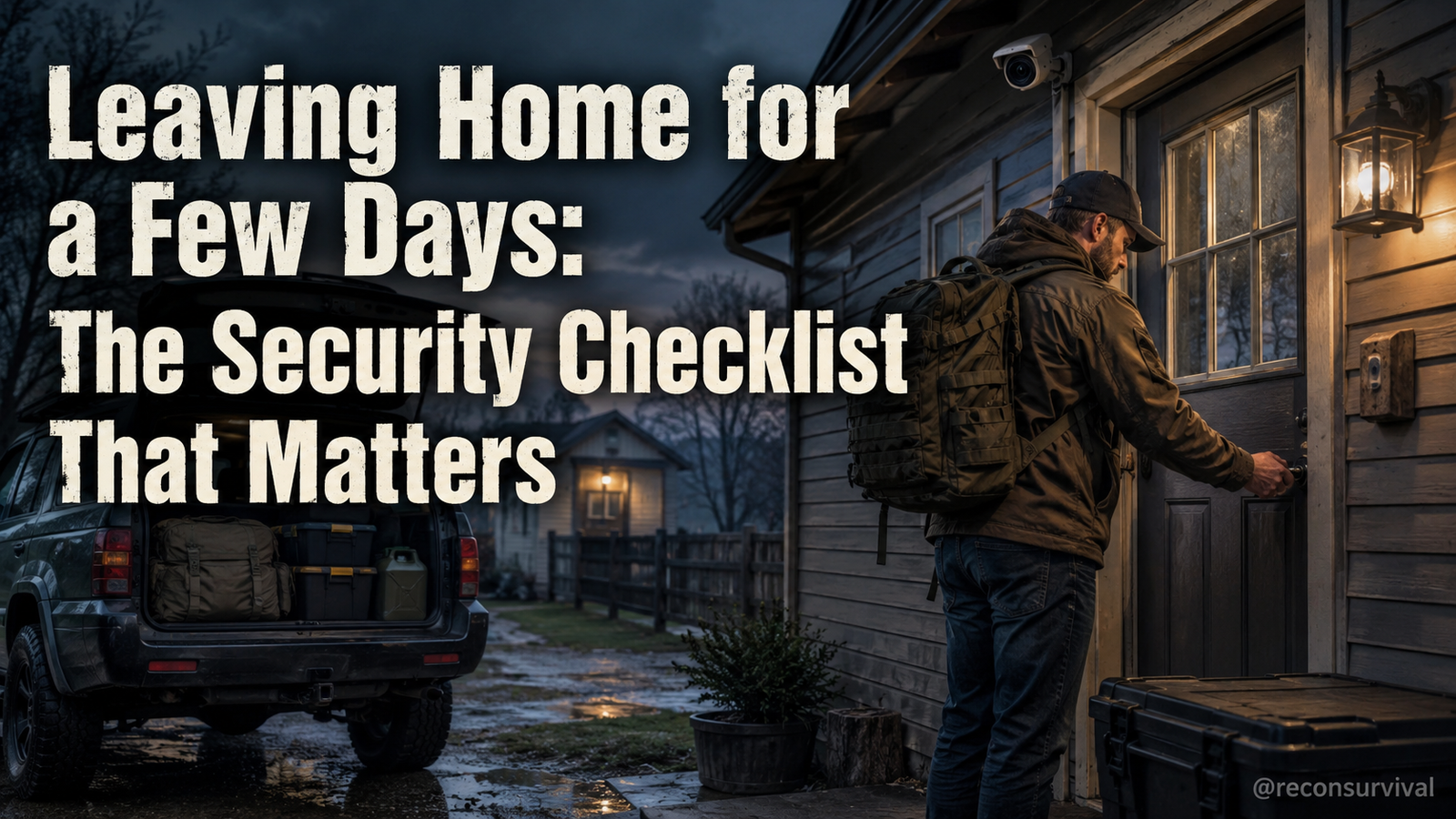
The Garage, Mailbox, and Front Door: A Walkthrough for Short Trips
Step inside the house, then immediately look at the front door from the inside before you leave. Turn off the lights in the living room and the hallway. Walk out to the garage and confirm the vehicle is secured, then check the mailbox for fresh flyers. These small moments define whether a house looks lived-in or abandoned while you are gone. Many readers face a specific reality: they plan to go away for a holiday weekend or a few days of family visitation, and they worry about the house sitting empty. The problem is not that the threat is unique to a specific season; the problem is that the human brain struggles to manage small, boring details when excitement about travel or celebration takes over. You need to handle the lights, locks, mail, neighbors, cameras, and water with calm focus before the car keys leave your hand.
Why Independence Week Changes the Neighborhood Atmosphere
Around late June and early July, the neighborhood dynamic shifts. Traffic patterns change, power grids see higher loads, and public spaces become more crowded. While there is no need to panic, the environment does change. Neighbors are busy with picnics or long weekends, meaning fewer people are watching your house from their porches. Traffic increases mean more cars pass the street, offering different angles of observation but also more noise that can mask sounds. Power outages become more likely due to heat, which can affect security systems or sump pumps. This is why a simple routine before you leave matters. It ensures that if a minor disruption happens – like a power loss or a neighbor being out of town – your home is still defensible and secure without you needing to intervene.
The Most Common Mistake: Waiting Until the Last Minute
The biggest error occurs when people wait until the car is in the driveway to think about security. This is a dangerous habit. When you are packing the last suitcase or loading the luggage, your cognitive load is at its peak. You are distracted by stress and excitement. In that moment, you might forget to tell the neighbor to call if there is smoke, or you might forget to turn off the main water valve for the sprinkler system. If a break-in attempt happens while you are away, or if a pipe bursts, you want to have already handled these basics. Do not treat this as an event to manage on the day of departure. Make it a habit that happens while the house is quiet and you are calm.
A Practical System for Leaving Home Secure
Setting the House and Visible Routines
When you are ready to leave, walk through the house and set the visible routines. Go to the main living area and the bedrooms. Ensure the lights are off, except for one lamp in a central location like the hallway or a large living room if you have smart bulbs, or use a timer for the main lights. If you have outdoor lights, turn them on for the duration you will be away. This signals to anyone passing by that the house is in use.
Check the entry points. Ensure the front door is locked. Check the deadbolt, the latch, and the handle. If you have a door viewer, wipe it down to ensure clarity. Walk to the side of the house and check the back door and the garage door. Ensure these are also locked. If you have sliding glass doors, engage the pins and check the deadbolt. Make sure the windows are closed and locked.
Handle the mail and packages. Do not leave a stack of flyers in the mailbox, as this signals you are away. Take them inside or put them in a way that makes the box look full. If you have a doorbell camera, review the feeds to ensure they are recording. If you use smart speakers or lights, set a timer to make it look like someone is home during peak evening hours.
Managing Utilities and the Exterior
Water management is critical during summer months when heat is a factor. Check the main water shut-off valve. If you are going for a long weekend, consider turning off the water to the sprinkler system to prevent waste or potential freezing if there is a sudden temperature drop, though heat is the primary concern now. Check the sump pump to ensure it is functioning. If you have a basement, check for any signs of dampness or leaks.
Look at the exterior. Trim any low-hanging branches that could fall during high winds or storms. Ensure there are no items piled against the siding or the foundation that could block drainage or provide a path for pests. Check the gutters to ensure they are clear of debris. A clear gutter prevents water damage, which is a significant risk in early July.
Communication with Neighbors and Security Contacts
Do not rely solely on technology. Reach out to your neighbors before you leave. Ask if they can keep an eye on your house for you. Provide them with your contact information. Ask them to let you know if they see anything unusual, such as a stranger lingering near the house or a broken window in a neighbor's home. If you have a family member or friend nearby, ask them to check in with you once a day.
Inform your utility companies of your travel plans. Some companies offer outage reporting services that can notify you if there is a power issue. If you have a security system, ensure the monitoring company has your phone number updated. If you have a pet, arrange for care before you leave. Do not leave a pet with water and food in a warm house for days.
A Defensive, Lawful Household Checklist
Before you walk out the door, perform this specific check. Walk to the front door and lock the deadbolt. Walk to the back door and lock it. Check the windows. Go to the mailbox and clear it. Turn on the outdoor lights. Go to the utility room and check the water valve status. Check the camera feeds one last time. Verify that the garage door is closed and locked. If you have a smart home system, check that it is armed. If you have a fire alarm, ensure the batteries are good. This checklist covers the essential elements of home defense without escalating the situation or using offensive tactics. It is about prevention and awareness.
Recon Survival Principle
The principle is simple: Preparation reduces stress. When you have a plan, you do not panic. You act calmly and efficiently. This applies to home security and to survival planning in general. The best time to prepare is when you are not in a crisis. Build habits that make safety easy. These habits become automatic, saving you time and worry when you need them most. Focus on the basics. Ensure the house is secure. Then enjoy your trip.
Do Today
- Lock the front door, back door, and garage door. Check the deadbolts.
- Turn off all unnecessary interior lights, but keep one on in the hallway or a timer set.
- Clear the front mailbox of flyers and brochures to signal occupancy.
- Check the main water shut-off valve and ensure sprinklers are off if needed.
- Verify that all windows and sliding glass doors are latched and locked.
- Text or call a neighbor to ask them to keep an eye on the house.
- Review your camera feeds and ensure recording is active.
- Check the battery status of your smoke detectors and carbon monoxide alarms.
- Secure any loose items outside that could be blown away or used as cover.
- Ensure your vehicle is locked and keys are not left inside.


Great content! Keep up the good work!
I’m no longer certain the place you’re getting your info, but good topic.
I must spend some time studying more or understanding more.
Thank you for wonderful info I was in search of this
information for my mission.