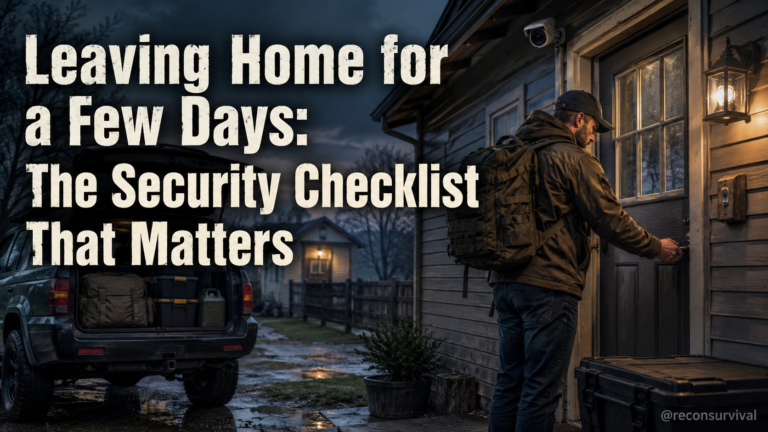
The air conditioning unit in a vacant house shifts from a cooling burden to a liability the moment the thermostat is left at summer highs. Heat penetrates the envelope, warms the remaining food stock, and triggers bacterial growth or spoilage long before anyone returns. Simultaneously, a forgotten leak in the freezer or a half-full water bottle can rot the interior of the kitchen, creating a cascade of odors and structural damage that turns a simple vacation into a costly restoration project. The problem is not a lack of intent to secure the home, but the absence of a specific trigger that halts the cycle of spoilage and water loss before the door locks behind you.
As an Amazon Associate, I earn from qualifying purchases.
The Thermal Load Before You Depart
Vacation security is often framed as a perimeter issue, but the thermal dynamics inside the house pose the most immediate risk to your consumables. When the house sits unoccupied, the internal temperature drifts toward the outdoor ambient level. This shift accelerates chemical reactions in stored food and increases the demand on plumbing systems. A freezer left running without a load of frozen goods will cycle inefficiently, wasting energy and creating temperature fluctuations that degrade food quality. Conversely, a freezer that is too full but lacks airflow creates ice buildup that can strain the seals.
The hidden load here is the water. Water expands when frozen, and any residual liquid in pipes or containers left at extreme temperatures can burst or crack. A single burst pipe behind a wall can go unnoticed for days, saturating drywall and insulation. This is a predictable failure point during summer travel when the house is left in a state of suspended animation. The system fails not because of an external attack, but because the internal environment is allowed to drift unchecked.
Where the Rotation Breakdown Happens
The most common error people make is treating the pantry and fridge as static storage rather than a dynamic inventory that requires management. Travelers often focus on the "last meal" they will eat, leaving behind weeks of fresh produce, open containers, and perishable dairy. They assume the refrigerator will hold its temperature or that the water filter will prevent contamination while the house is empty. This approach creates a false sense of security.
In reality, the breakdown occurs at the intersection of time and temperature. Open containers of sauce, milk, or cut fruit create a breeding ground for mold once the humidity levels inside the fridge rise without active air exchange. The mistake is assuming that "it won't spoil that fast." A week away in July can be enough to spoil a pint of ice cream or a bag of lettuce. The rotation system breaks because people fail to align their consumption with their departure date. They do not stage their meals to deplete the fresh stock before leaving, leaving the house with a high-entropy inventory that is difficult to manage upon return.
Staging the Cold Chain for Departure
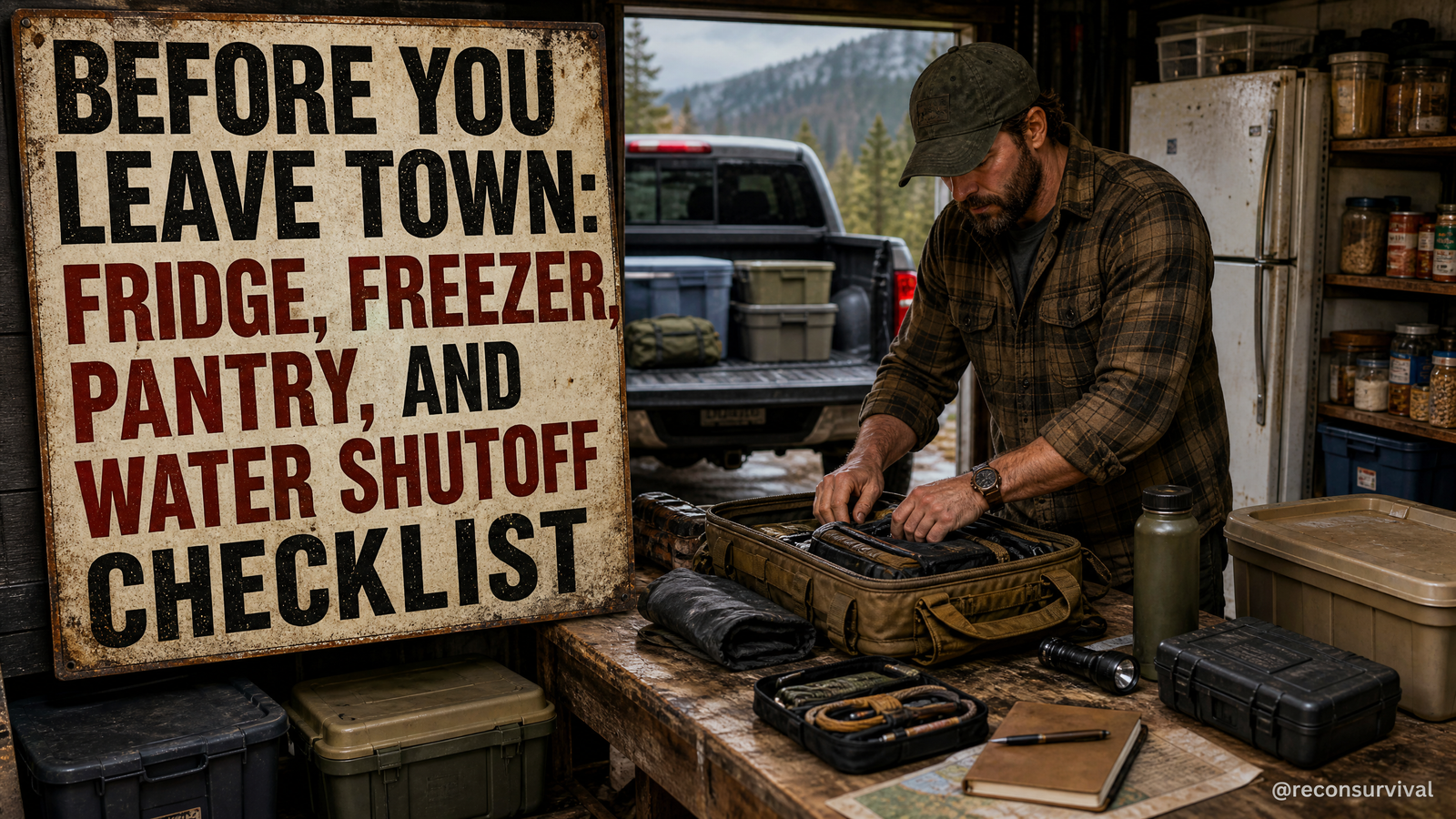
Start by removing all fresh produce that cannot be consumed within the next forty-eight hours. Move these items to a cooler if you are keeping them, or donate them. Next, address the freezer. If you have space, consolidate remaining items to maximize the cold mass effect; a full freezer retains cold better than a half-empty one, but only if the items are tightly packed to prevent thawing. Label any open containers with the date they were opened. This simple act of writing a date on a lid creates a decision trigger for when you return: items marked with a date older than the threshold for spoilage must be discarded.
Hydration Systems and Shutoff Protocols
Water is the primary vector for damage in an empty home. The supply line from the main shutoff valve to the house appliances is the most critical junction to secure. A dripping faucet or a slow leak in a supply line can cause thousands of dollars in damage before the homeowner returns. The protocol requires a physical interaction with the plumbing system that goes beyond turning off the tap.
Locate the main water shutoff valve, usually found in the garage, basement, or near the street where the meter is. Practice opening and closing the valve until you are certain you can operate it without tools. Turn the main water supply to the "off" position before you leave. This cuts the pressure to the entire house, eliminating the risk of supply line bursts. However, leaving the water off does not stop every risk. Water remaining in the lines must be drained.
Flush the toilets, drain the water from the fridge ice maker and water dispenser, and run the faucets until the flow stops. For appliances like dishwashers and washing machines, run a cycle to drain the internal reservoirs or use the manufacturer's "drain and stand by" function. If your home has a water heater, drain the pressure relief valve briefly to release pressure, though you may need to leave a small amount of water in the tank depending on your manufacturer's guidelines for long-term storage. This step ensures that no internal tank can expand and crack due to temperature changes or residual pressure.
Labeling and Inventory Stages
Once the food and water systems are prepared, the final layer of defense is the labeling system. This creates a visible audit trail of what is inside the house. Use masking tape and a permanent marker to label every open container. Write the contents and the "use by" date. Place these labels on the top shelf or the front of the container where they are visible without opening the door.
For the pantry, conduct a visual scan. Move cans and jars to the front if they are nearing their expiration. Rotate the oldest items to the front of the shelf so they are the first to be used or discarded. This is not about organizing for aesthetics; it is about creating a visual cue that identifies potential failure points. If a jar is bulging or a can is dented, it is time to remove it from the house entirely.
The labeling process extends to the water supply. If you have a large water storage container, label it with the fill date. If you have filtered water in bottles, ensure the caps are tight and the bottles are stored away from direct sunlight, which can degrade plastic and affect taste. By marking the contents, you reduce the cognitive load upon return. You do not need to guess what is safe; the labels provide the data you need to make a decision.
Recon Survival Principle
The stability of a home while unoccupied depends on reducing the internal energy that drives decay. By actively managing the thermal load, cutting the water supply, and labeling inventory, you shift the house from a passive storage unit to an inert, low-risk environment. The goal is not to make the house perfect, but to ensure that the only thing left behind is food that is safe to keep and a plumbing system that cannot fail.
Do Today
- Locate and test the main water shutoff valve to ensure it turns easily without sticking.
- Consume or donate all fresh produce, dairy, and open meats that you will not finish within the next 48 hours.
- Consolidate items in the freezer to create a solid mass of frozen goods, leaving no empty air pockets.
- Drain the water from the refrigerator dispenser, ice maker, and all faucets in the house.
- Label every open container in the pantry and fridge with the current date and a "discard by" date.
- Rotate older pantry items to the front of the shelves and remove any items that show signs of spoilage or damage.
- Set the thermostat to a safe, energy-efficient temperature that prevents freezing in winter or excessive heating in summer.
This sequence transforms the house into a stable environment where the risks of spoilage and water damage are minimized. The work is simple, requiring only physical action and clear labeling. When you return, the house will be waiting in a state that is easy to inspect and easy to restore to normal operation. The difference between a routine return and a disaster is the preparation done before the door closes.