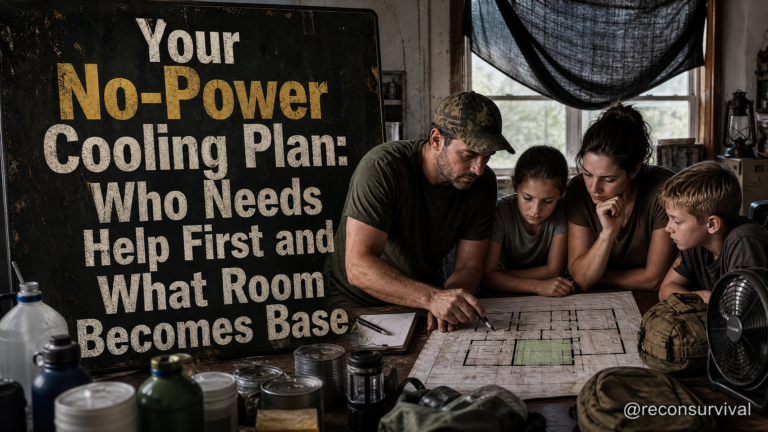
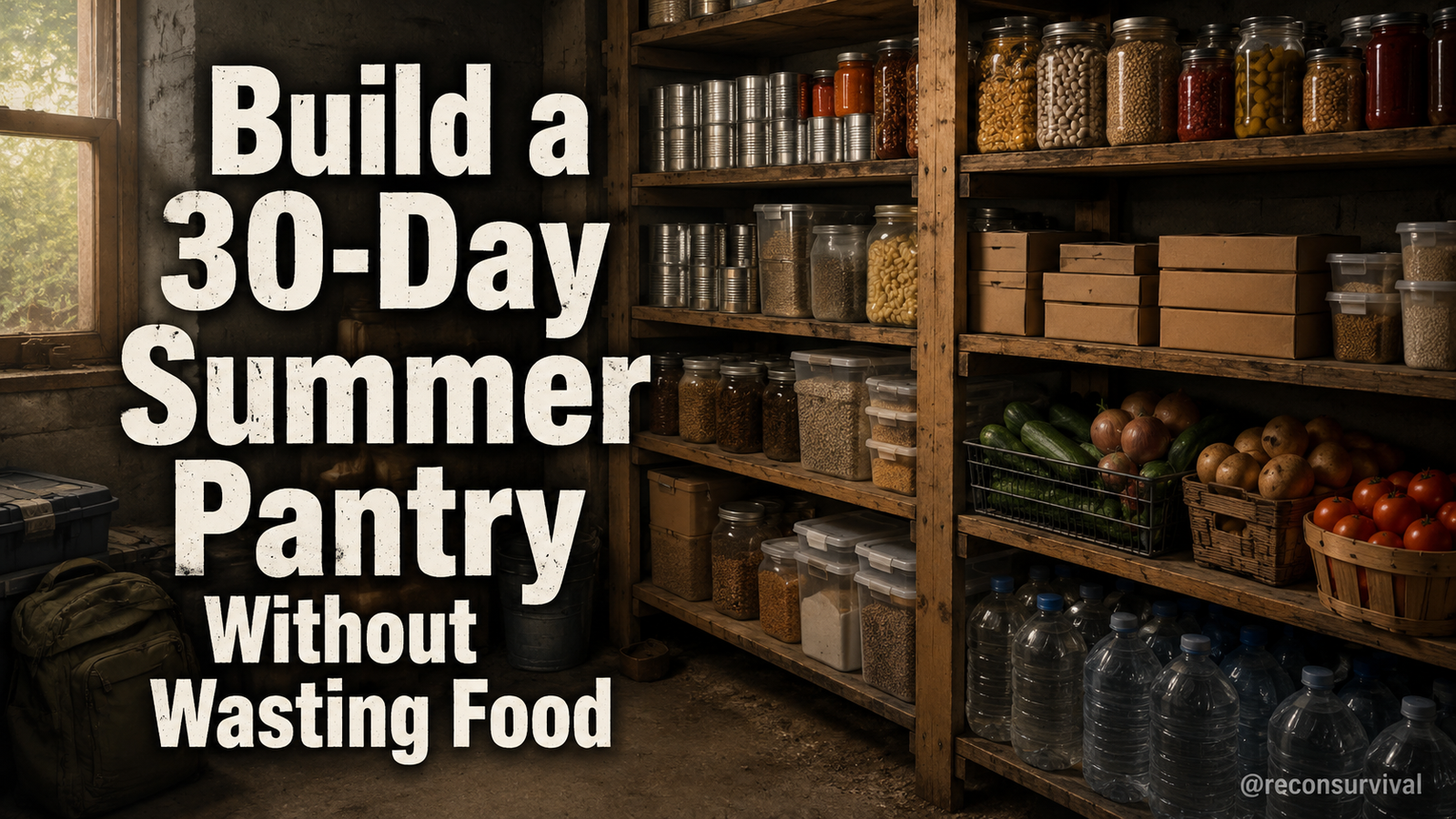
A practical way to create a hot-weather pantry plan with meals the family will actually eat and rotate, but most advice is either too generic, too gear-focused, or too late.
As an Amazon Associate, I earn from qualifying purchases.
When the heat index climbs and supply chains face their first summer stress points, the most valuable asset you can possess is a pantry stocked with meals your family actually wants to eat. Many people approach food storage as a static list of canned goods purchased on clearance, hoping that a hypothetical crisis will somehow justify the inventory. This approach creates two distinct problems: you end up wasting perishable items that go bad during hot weather, or you stockpile nutritionally empty food that sits untouched until it spoils. You do not need to fear the end of the world to ensure your kitchen remains functional when the power grid strains or when transportation logistics slow down. You simply need a plan that accounts for the specific risks of a hot summer without resorting to fear-based rhetoric.
Why Summer Food Security Matters Without Fearmongering
The primary reason to act now is not because of dramatic scenarios, but because of the reality of heat and logistics. High temperatures accelerate spoilage rates in any storage that isn't perfectly sealed or climate-controlled. When supply disruptions occur – whether due to extreme weather, fuel shortages, or simply the volatility of the modern logistics network – families often find themselves relying on food that cannot be refrigerated. During these times, the ability to access calories and nutrients without a car trip to the grocery store is a matter of dignity and safety.
Summer presents unique challenges: humidity can compromise packaging seals, and power outages during thunderstorms or storms render refrigeration useless within hours. A well-planned pantry acts as a buffer against these variables. It allows you to maintain your routine when external conditions deteriorate. This is not about preparing for the apocalypse; it is about maintaining normalcy when the infrastructure around you struggles to cope with the season. You want to be able to cook a hot meal without relying solely on a microwave or raw ingredients you cannot keep fresh.
The Most Common Mistake With Hot-Weather Pantries
The single most frequent error people make with this topic is waiting until they feel compelled to act to begin the process. Most individuals start a pantry only when a crisis is imminent or when they are forced to buy in bulk due to price incentives. This reaction-based approach is dangerous because it ignores the window of opportunity where planning is calm and decisions are rational.
Another common mistake is treating food storage as a gear-focused exercise. Many readers look for the "perfect" can opener or the "ideal" shelving unit before they decide what goes inside the storage space. This delays actual food acquisition and results in a pantry full of equipment but empty shelves. In a survival situation, you cannot cook if you do not have something to cook. Similarly, stockpiling only generic, long-term shelf-stable foods without rotation is a trap. If your family never eats the emergency rations, they will not trust them, and you will waste money and space on items they despise.
The Recon Survival System for Hot-Weather Planning
The Recon Survival approach to creating a hot-weather pantry plan focuses on two core pillars: palatability and rotation. We aim to build a stock of meals that the family is willing to consume under stress, ensuring that when you reach for these items, you feel confident they will be eaten.
Steps to Build Your Plan
The first step is to audit your current situation. Look at your refrigerator and freezer and determine exactly how many days of perishables you can keep if the power goes out. If your standard is three days, you must bridge the gap to seven to ten days using your pantry. The second step involves identifying the "bridge foods." These are shelf-stable proteins and vegetables that can be substituted for fresh produce once the fresh supply is exhausted or compromised.
Next, review your family's eating habits. If you never eat pasta, do not stock it as a primary emergency food, even if it is cheap. If your family loves soups, identify shelf-stable vegetable and meat mixes that can be combined to recreate that meal. You must align your storage with your preferences to ensure rotation happens naturally. The third step is to map out your cooking capacity. Consider your fuel source. If you rely on a gas stove, ensure you have enough fuel or consider alternative cooking methods for the stored food.
Finally, create a timeline for acquisition. You will not buy all of this at once. You will acquire a few items this week, a few the next, and integrate them into your regular meals. This prevents the shock of spending large sums of money all at once and reduces the temptation to use food items before you are ready. By spreading the acquisition over time, you keep the process manageable and sustainable.
A Simple Readiness Checklist
To ensure your plan is robust, use this checklist to verify your current status.
- Audit Your Bridge Stock: Calculate the number of days of shelf-stable protein, carbohydrates, and vegetables you currently have that can be eaten with or without refrigeration.
- Fuel Availability: Confirm you have enough fuel for your cooking method to prepare the stored meals for at least 30 days.
- Water Access: Verify you have a plan for water storage that exceeds the local emergency management guidance for your area.
- Meal Alignment: Check that the items in your storage align with the meals your family enjoys, ensuring they will be eaten rather than discarded.
- Cooling Capacity: Assess your ability to keep a small cooler active during a power outage to extend the life of perishables you are bringing into storage.
- Knowledge Retention: Ensure every household member knows exactly where the food is and how to prepare it without looking up instructions under stress.
- Packaging Integrity: Inspect existing seals and packaging for signs of damage that could allow moisture or pests to compromise the food during a heatwave.
What To Do Today, This Week, and Later
Your immediate action today should be to review your existing inventory and write down what you have that is approaching expiration. If an item is within two months of spoiling, find a way to use it in a meal or donate it before it goes bad. This creates a habit of movement that prevents waste.
This week, focus on adding one category of shelf-stable food that you have been missing. For example, if you lack shelf-stable dairy alternatives or canned tomatoes, order or purchase one box. Do not try to fill the entire gap in one week. Later this season, as the weather stabilizes, you can revisit your list to fill the remaining categories. By spreading the work out, you avoid financial strain and keep the planning process calm and logical.
Recon Survival Principle
Food storage is not about survival in the vacuum of nature; it is about continuity of life during a disruption. The food you stock must be food you want to eat. If you have a box of crackers that your family prefers over chips, that is a better investment than a box of chips you will not eat. A pantry full of unwanted food is a liability, not an asset, because it creates false confidence that you are prepared. Your preparation is only as good as your willingness to consume the stored resources when you need them most.
Do Today
- Check Your Inventory: Walk through your pantry and mark any item that expires within 60 days.
- Calculate Your Gap: Determine how many days of shelf-stable meals you can cook with your current fuel and stored food.
- Select One Category: Choose one category of food you lack, such as shelf-stable vegetables or canned protein.
- Write a Menu: Draft a simple menu for the week that uses both fresh and stored ingredients to ensure rotation.
- Inspect Seals: Check all cans and packages for bulging lids or broken seals, discarding any unsafe items.
- Review Fuel: Ensure you have a plan for maintaining fuel levels or acquiring backup fuel if your primary source is interrupted.
- Set a Reminder: Schedule a specific day next week to add a new item to your pantry without pressure.