Alright, folks. You’re here because you know the world isn’t all sunshine and rainbows. You’ve seen the darkness, felt the chaos, and you’re not about to let it catch you with your pants down. So pull up a chair and let’s cut the crap—because when the concrete jungle goes south, you don’t want to be the tenderfoot caught without a plan.
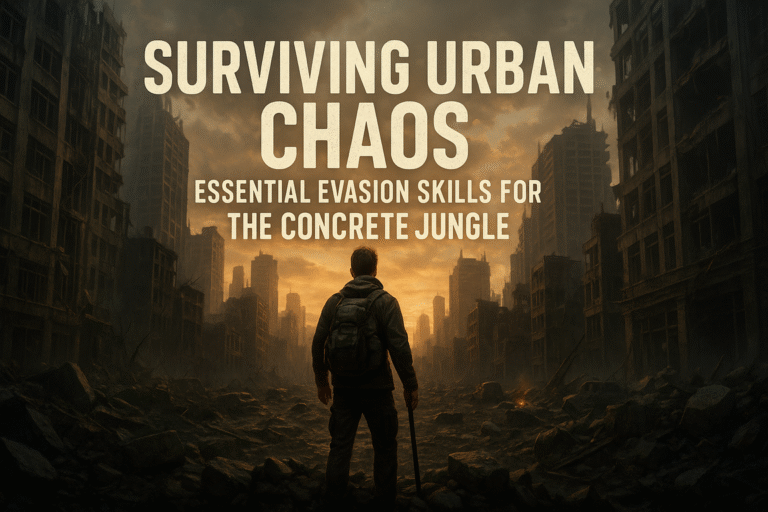
The city’s a beast—a concrete beast with a belly full of resources and just as many threats. An urban apocalypse scenario isn’t just some far-fetched fantasy; it’s a brutal possibility we have to face head-on. A hurricane here, an earthquake there, or even just a good old-fashioned societal collapse. The grid goes down, and suddenly your comfy metropolis turns into a damn free-for-all.
That’s why urban survival preparedness isn’t some hobby—it’s essential. It means you’re not just another victim waiting to happen. When things go pear-shaped, the man with the plan (and the right gear) is king. So let’s talk about having a high-threat preparedness kit that sets you apart from the unprepared masses.
Assessing the Urban Environment
Post-collapse cities are no joke. You ever try finding your way through a maze with traps at every turn? That’s your city when the world’s gone sideways. The unique challenges of post-collapse cities include collapsed infrastructure, lawlessness, and resource scarcity. And let’s not forget the other survivors—not all of them play nice.
Understanding your urban environment means learning the resources and threats. It’s knowing which buildings to scavenge and which to avoid like the plague. It’s about mapping water sources, escape routes, and no-go zones. The city’s your chessboard, and you’re playing to keep breathing.
Survival strategies aren’t one-size-fits-all. You can’t just take your woodsman know-how and drop it in downtown without skipping a beat. Adapting survival strategies for urban settings means tweaking your tactics—finding cover in concrete ruins, moving unseen in the shadow of skyscrapers, and using the chaos to your advantage.
Core Components of Your High-Threat Preparedness Kit
You can’t survive on gear alone, but it sure as hell helps. First up, the urban survival mindset—it’s your number one tool. Panic kills faster than a bullet. Staying calm, being resourceful, and keeping your wits about you make all the difference.
For navigation and communication, you can’t rely on your phone or GPS. Signal’s down? Tough. Have a map, a reliable compass, and alternative comm methods like a hand-crank radio.
When it comes to tools for urban foraging and resource acquisition, think multifunctional. A crowbar pries doors and smashes locks. A multitool repairs gear. A sturdy bag hauls your loot. Remember, it’s not stealing if the world’s ended—it’s scavenging.
Personal Protection and Defense
You’re not walking into a pillow fight. Selecting appropriate weapons for urban environments means choosing firearms that are versatile and ammo that’s common—think 9mm or .223. But don’t forget, guns are loud and can draw unwanted attention, so have silent options like a knife or a crossbow.
In an urban wasteland, improvised armor and protective gear might just save your hide. Think magazines taped to your vitals or a DIY shield from a stop sign. I once saw a guy rig a kevlar vest from a stack of phone books—you make do with what you’ve got.
Situational awareness and self-defense techniques are about more than throwing a punch. It’s seeing trouble before it sees you. It’s noticing the twitch before the knife comes out. It’s knowing when to fight and when to run like hell.
Medical Supplies and Urban First Aid
A compact, yet comprehensive, first aid kit is non-negotiable. You’re not carrying a hospital on your back, so prioritize. Think tourniquets, chest seals, and antibiotics. You won’t be doing open-heart surgery, but you can stop a bleed or stitch a cut.
Common urban injuries and illnesses come from broken glass, falls, or just eating something that your gut disagrees with. Know how to treat these without a doctor’s help because, well, there might not be any around.
Post-collapse, hygiene and disease prevention are critical. You think COVID was bad? Try a cholera outbreak with no running water. Keep sanitizer, soap, and water purification means handy, or you’ll be dying not with a bang, but with a whimper.
Sustenance and Water in an Urban Context
Water, water everywhere, but not a drop to drink—unless you’ve got secure water filtration and purification methods. Boiling, chemical tablets, or a trusty filter can make the foulest puddle safe to gulp down.
Urban foraging isn’t just dumpster diving. It’s spotting the edible plants growing in the cracks of the sidewalk. It’s fishing in the park pond. It’s, heck, snaring pigeons if you’re desperate enough.
And you can’t just cook over an open flame when buildings are your walls. Safe cooking and food preservation techniques mean getting creative. Think solar ovens or smokeless stoves. Canned goods are good, but learning to pickle and dry food can turn a week’s supplies into a month’s.
Mobility and Evacuation Strategies
If you’re not thinking about stealth and evasion in a high-threat urban landscape, you’re thinking wrong. Move at night. Use back alleys, underground passages, and the less traveled paths to stay off the radar.
Creating an urban bug-out plan isn’t just picking a destination; it’s planning the route there. It’s having backups for your backups. One blocked road can turn your escape into a death trap.
To pack light and move fast is the philosophy of urban escape. You can’t haul your whole life on your back, so pick the essentials and ditch the sentimentality. Move quick, stay low, and keep silent, and you might just make it out alive.
Remember, this isn’t a sprint; it’s a marathon—a marathon with no finish line in sight. The continuous process of learning and adaptation is what keeps you ahead of Joe Average. There’s no room for complacency when every day could throw a new curveball.
In the ruins, it’s easy to think you’re the lone wolf, but building community and forming alliances can turn the tide. A group can share skills, watch each other’s backs, and increase survival odds. But trust carefully—desperation makes monsters of men.
So stay vigilant and prepared for the unpredictable. Keep your kit ready, your mind sharp, and your boots laced. The world might not end tomorrow, but if it does, you’ll be the one standing tall when the dust settles.
Stay ready. Stay dangerous.