
Recon Lab: Resilient Food Systems Start With Small Data
The garden stops being a source of abundance and becomes a test of preservation capacity.
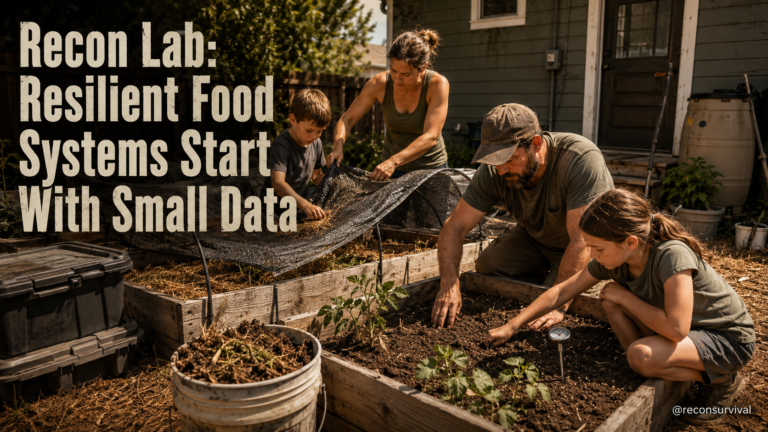
The garden stops being a source of abundance and becomes a test of preservation capacity.
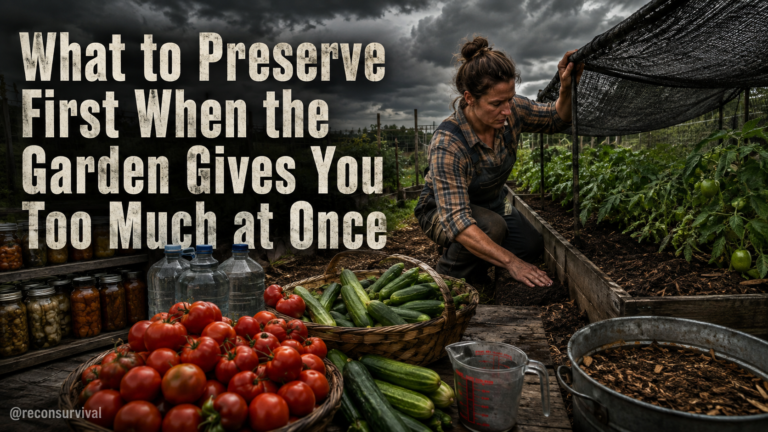
When a single night of high yields floods your counter with tomatoes, cucumbers, and peppers, the first failure point is almost always the window of time before those items rot.
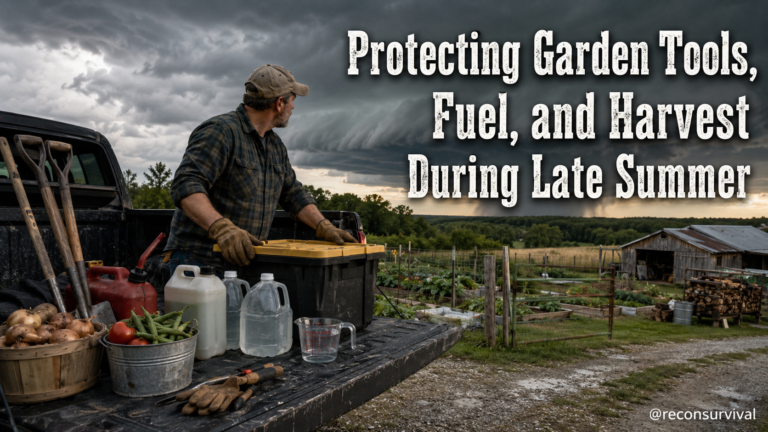
Late August places a specific, quiet pressure on outdoor work areas.
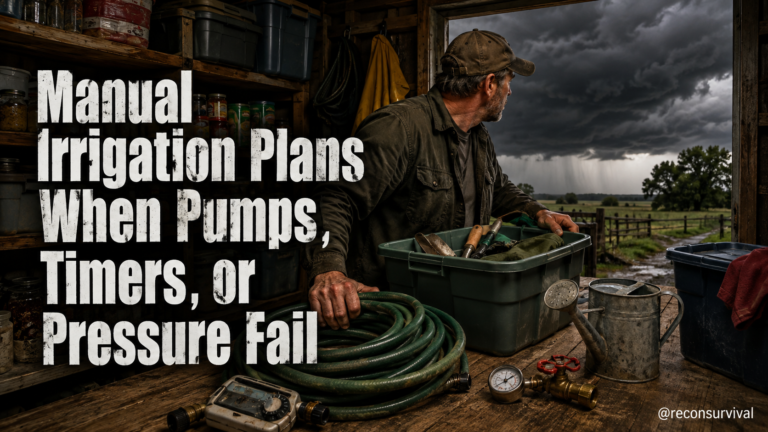
The first thing to break is not the main line; it is the pressure sensor or the timer relay that has sat idle for months.
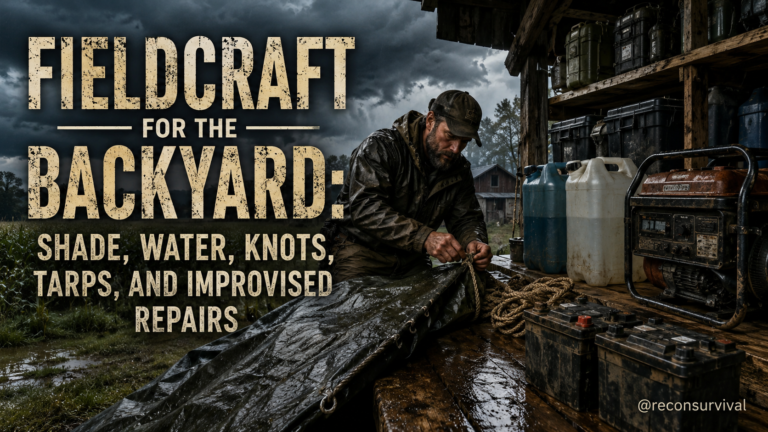
The first thing to fail in late August is rarely the crops; it is the water delivery to the seedlings or the integrity of the shade structure holding the heat at bay.
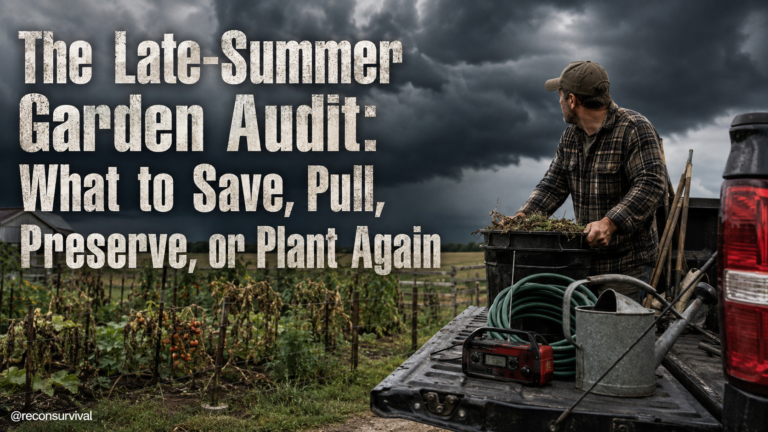
The kitchen garden is where the stress of late summer first becomes visible.
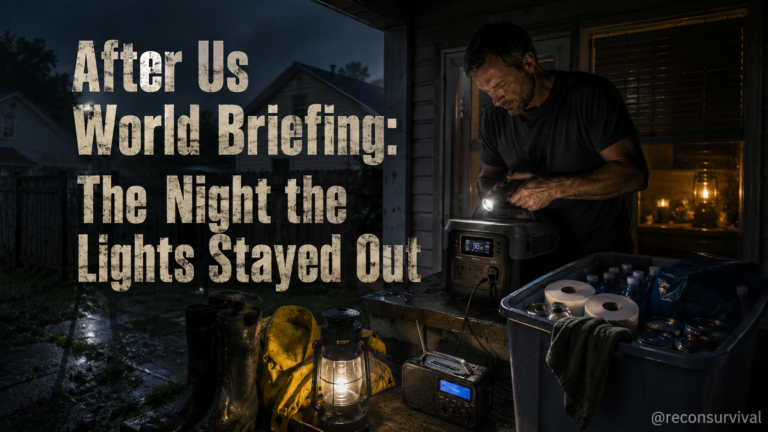
Late summer heat waves often mask the true cost of power loss: a house that feels uncomfortable for a few hours becomes a security risk when the grid fails for days.
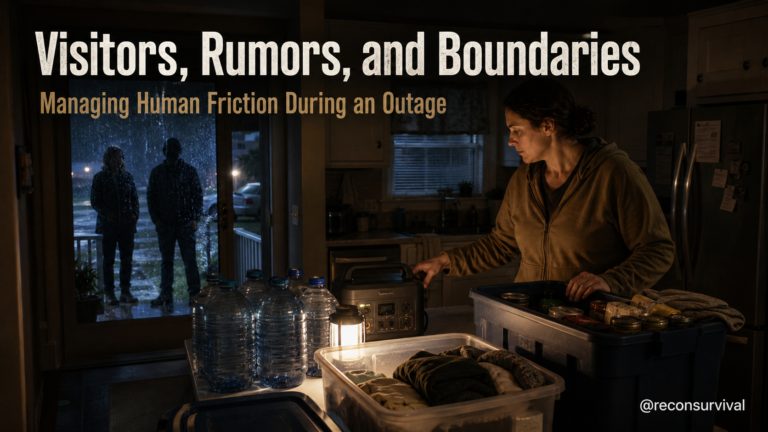
It is not the storm or the lack of power that turns a neighborhood quiet into a security problem.
Late summer outages often drag on long enough that discomfort shifts into a security risk.
Heat waves drive air conditioning units to full capacity while grid loads spike.