The Pantry That Forgot to Rotate
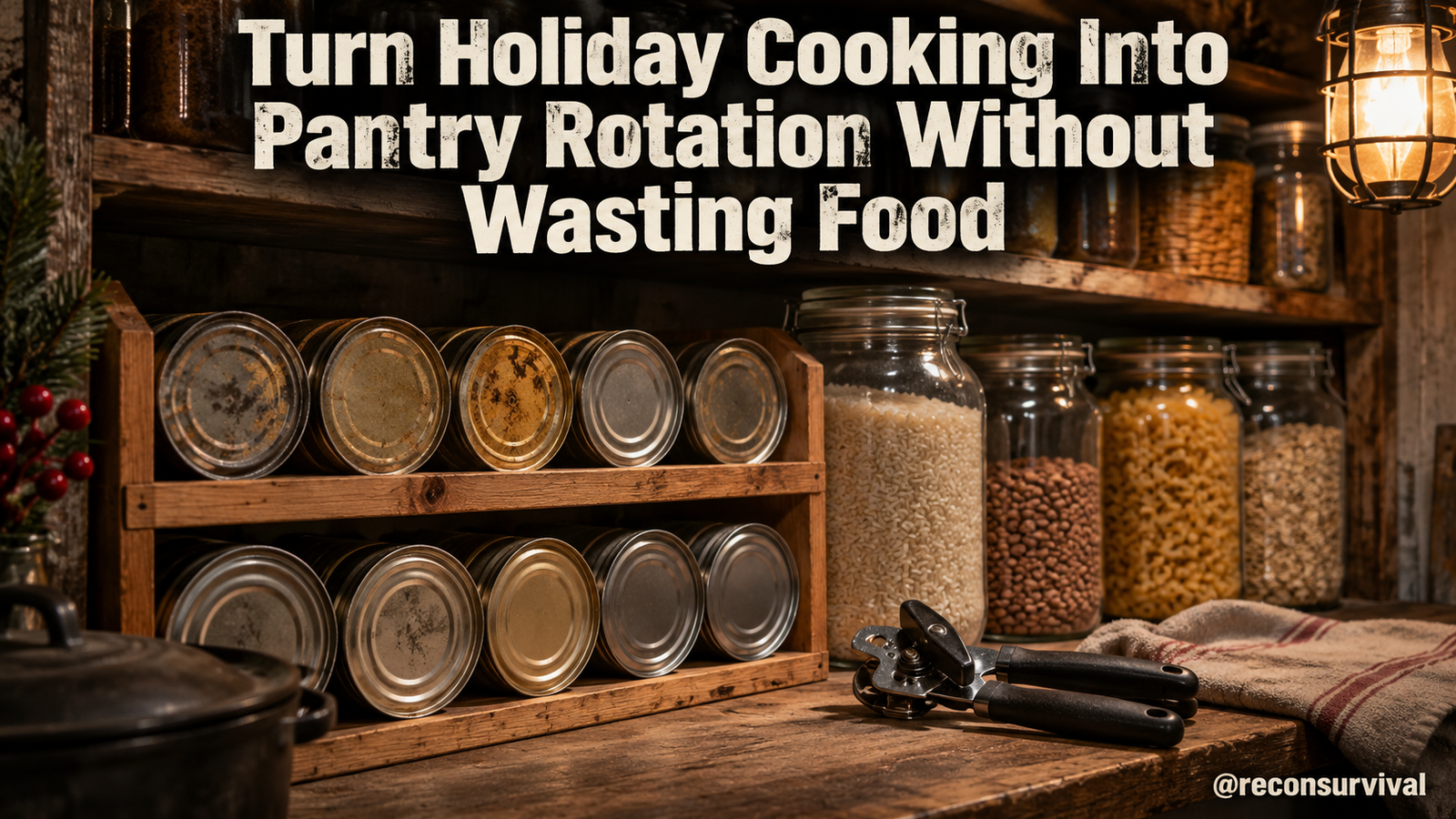
The most visible point of failure during a holiday gathering is often the food itself, not the cooking. You open a jar of cranberry sauce or a can of stuffing mix years ago, find it expired, or discover a staple has moved to the back of the shelf and never been eaten. The result is a stack of new groceries that sit alongside old ones, pushing fresh items to the back where they eventually spoil. This cycle wastes money and creates a pantry that looks full but lacks the specific items needed when a power outage or supply disruption hits. Late November shifts the homestead rhythm. The holiday season brings guests, cooking stress, and a sudden influx of new food. This is the exact moment to turn those holiday meals into a system update. The gap between having supplies and having a functional pantry is not a lack of food; it is a lack of rotation. If you use the holiday cooking to move old items to the front and pull fresh items to the back, you keep your inventory active without panic or fear.
As an Amazon Associate, I earn from qualifying purchases.
The Mistake: Waiting for a Crisis
The most common mistake people make with this topic is waiting until a storm or outage to check their pantry. By then, the stress of the event makes it hard to choose practical gifts for a homestead or manage the kitchen efficiently. People often buy new holiday ingredients without checking what they already have. They end up with duplicate items, expired staples, and a pantry that requires a full restocking effort later. This approach fails because it treats food storage as a static collection of items rather than a living inventory. When a crisis occurs, you need to open a can of beans that you know is safe and eat the food that has been rotating for months. You do not want to be hunting for the can opener while the power flickers during a holiday dinner. The difference between a panic and a routine is the physical placement of the can opener and the food you can eat right now.
Recon Survival Principle: Use Holiday Meals to Update Inventory
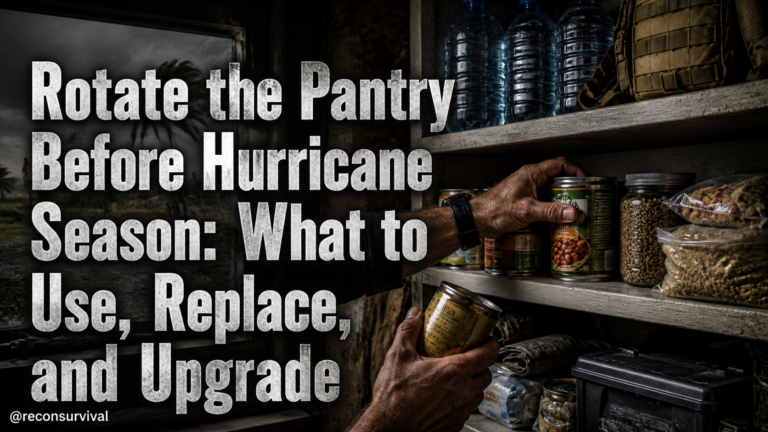
The core mechanism here is simple: use the holiday cooking to rotate staples and update the pantry inventory. This is not about buying more gear; it is about using the seasonal meals you are already preparing to move items through the cycle. When you cook a holiday meal, you naturally pull ingredients from the shelf. This is the trigger to inspect, rotate, and update the rest of your stock. A first physical check beats a generic reminder. Instead of scanning a list of generic items, you handle the objects you are using that day. You look at the cans you open for the dinner and the jars you use for the cooking. You verify that they are sealed, the labels are legible, and the dates are current. Then you move them to the front of the shelf where they will be eaten first, and you replace them with fresh items you bought for the holiday. This method connects supplies to actual meals. You are not storing food in a vacuum; you are storing food for specific events. If you use a can of peaches for a dessert, you now have an empty slot and a need to replace that specific item. This ensures that every item in the pantry is part of a meal plan, not just a static collection. It turns a holiday dinner into a system update that reduces waste and builds a reliable stock.
Steps to Rotate Without Waste
The system relies on a sequence that works for any household, regardless of how many guests are coming. You do not need specialized tools or a complex planning app. You need a clean pantry and a manual can opener.
1. Place Ready-to-Eat Food and the Manual Can Opener Before you start cooking, place ready-to-eat food and a manual can opener on the pantry shelf. This creates a "first check" station. If you need to eat quickly due to a power flicker, the can opener and the food are already together. This step ensures that if the power flickers during a holiday dinner, you can still access the food without fumbling in the dark or searching for tools. ## 2. Inspect and Move Items During Cooking As you pull ingredients from the pantry for the holiday meal, inspect the items on the shelf behind them. Check the lids for dents and the labels for expiration dates. If an item is close to expiration or has been sitting for a long time, move it to the front of the shelf or use it in the next meal. This physical handling updates your knowledge of what you have. You now know exactly where the older items are located. ## 3. Replace with New Items in Reverse Order When you bring new holiday groceries inside, place the fresh items at the back of the shelf. Do not just stack them on top of old ones. Move the older items to the front so they will be eaten first. This reverse order ensures that you always consume the oldest stock first, preventing spoilage. You are essentially resetting the shelf so that the next holiday meal will start with the newest items you bought today. ## 4. Verify Storage Conditions Ensure the storage conditions match the food type. Keep dry goods like grains and canned goods in a cool, dry place. Check that the pantry is not near an oven or a direct heat source, which can degrade food quality faster. If the pantry gets too warm, the shelf life of many items will shorten. This is a constraint that applies to all food storage, not just holiday items. ## The Waste-Reduction Checklist
Use this checklist to confirm your pantry is functional and ready for the holidays. It reduces waste by ensuring you use what you have before buying more. * Can Opener Check: Is there at least one manual can opener near the pantry shelf? If the power flickers during a holiday dinner, you can still open cans without electricity. * Front-of-Shelf Check: Are the oldest items you plan to eat this week at the front of the shelf? If you have to dig to find the oldest item, you are likely to miss it and let it spoil. * New Item Placement: Did you place new holiday groceries at the back of the shelf? This ensures you eat the older items first. * Expiration Label Check: Are the expiration dates on the jars and cans you are using legible? If the label is faded or the can is bulging, move that item to the trash or use it immediately if the damage is minor and the food is sealed. * Water Storage Check: Do you have water stored and labeled? Check the labels to ensure you know how long the water has been stored and if it needs replacing.
Recon Survival Takeaway
A pantry is not a plan unless the food becomes actual meals. The value of a holiday gathering is not just the food you eat, but the system update you perform while you eat it. By rotating staples and updating the inventory during the holiday cooking, you create a pantry that is ready for any disruption. This approach keeps the household calm and realistic, focusing on value rather than panic.
Do Today
The single most effective action you can take today is to use the holiday meals you are preparing to rotate your staples. Start by placing a manual can opener and a ready-to-eat item on the pantry shelf. Then, as you cook, move the oldest items to the front and replace them with the fresh items you just bought. This shift ensures your pantry remains functional and waste-free.