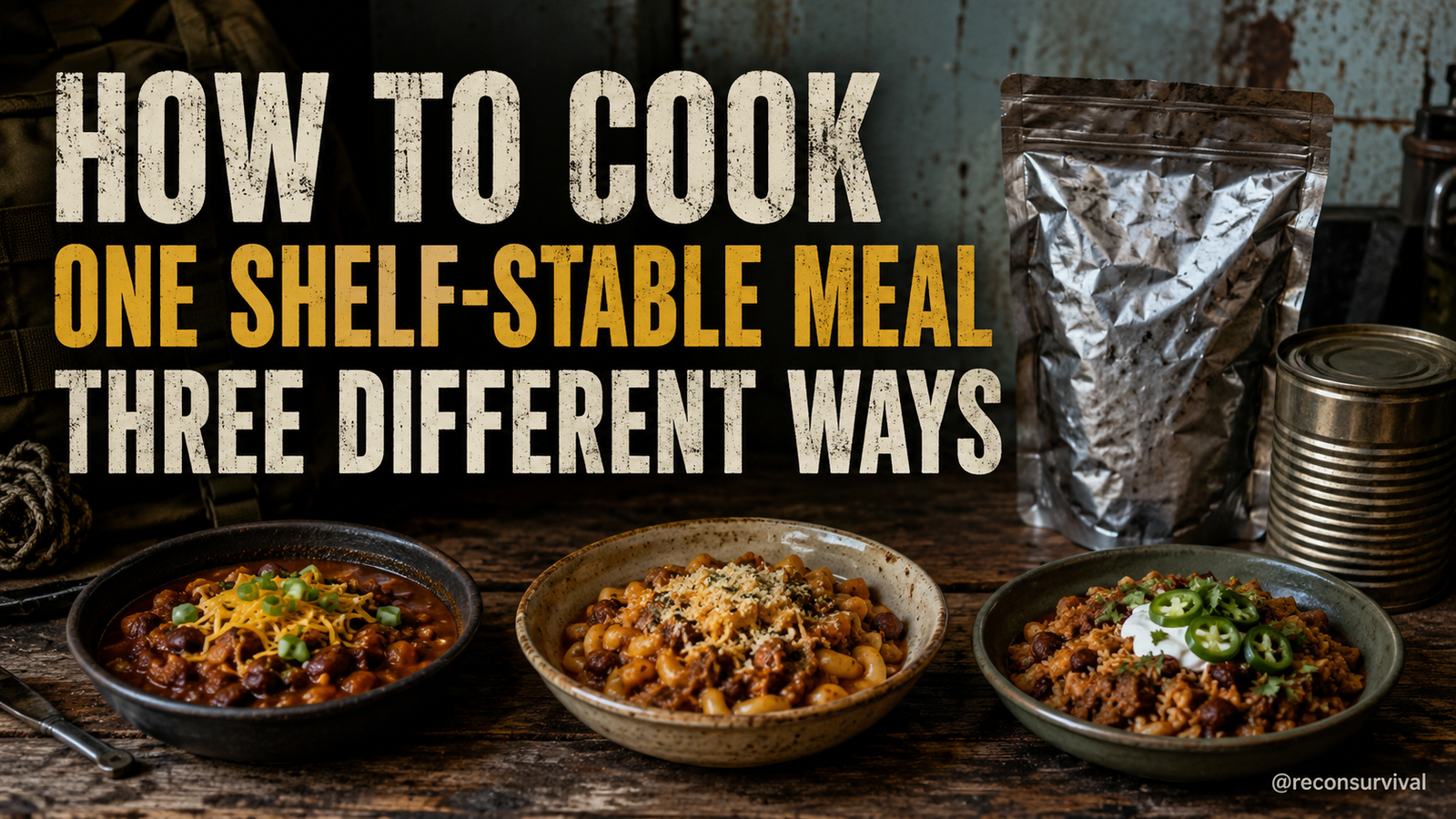
A practical way to practice flexible cooking with stove, grill, solar, or no-cook options, but most advice is either too generic, too gear-focused, or too late.
Open: Why Flexible Cooking Matters in June
Heat, storms, and travel are coming together in early summer. If your primary cooking method fails because of a power grid issue or a supply disruption, your household needs more than a single recipe. You need a practice plan. This article solves the practical problem of maintaining food resilience by teaching you to cook one shelf-stable meal using four different energy sources: a standard stove, a charcoal or gas grill, a solar cooking setup, and a no-cook or minimal-heat method. By the end, you will have a clear system to practice flexible cooking in your own home. This ensures your family can handle disruptions without relying on a single point of failure in your kitchen.
Why Flexibility Supports Summer Food Security
Summer food security is not about fearmongering regarding specific disasters. It is about managing the increased risks that come with higher temperatures and seasonal activity. Heat waves can strain electrical grids, making induction cooktops or electric ovens unreliable. Storms can knock out power lines, leaving a standard stove inoperative. Increased travel means you may be away from home more often, leaving perishable food unattended. Travel disruptions can also delay grocery runs, forcing reliance on long-term storage options. Flexible cooking allows you to pivot your energy source based on the current situation. If the grid is down but the sun is out, you use solar. If the sun is blocked but a backup generator is running, you use the stove. If neither is available, you utilize preservation techniques or outdoor grilling with a charcoal lighter. This adaptability keeps meals on the table when circumstances change.
The Most Common Mistake with Emergency Cooking
The most common mistake people make with this topic is assuming they only need one reliable appliance. Many readers believe that as long as their stove works, they are prepared. This is a dangerous assumption. If your stove depends on electricity and that power is cut for days, your ability to rehydrate dehydrated meals or heat canned goods is lost. Another frequent error is keeping recipes in a binder but never practicing the cooking methods themselves. Knowing how to cook is different from knowing how to cook under stress. People wait until a crisis is imminent to test their gear. By that time, they often discover their charcoal grill requires more fuel than they have stored, or their solar oven does not get enough direct sunlight on the worst days of the summer season. Waiting for the perfect moment to practice is when skills degrade. You must practice these skills in calm conditions now, before stress makes the decisions harder.
The Recon Survival Practical System for Flexible Cooking
The Recon Survival practical system for flexible cooking treats energy as a variable in your daily equation. You need a single meal that can be prepared via four distinct pathways. The system requires a specific set of tools and a structured approach. First, identify a shelf-stable meal that is safe to rehydrate with hot water but also benefits from actual heat. Good candidates include freeze-dried soups, instant oatmeal, dehydrated stew packets, or powdered egg mixes. Second, select the equipment you will use for each method. For the stove, you need a standard electric or gas cooktop. For the grill, you need a standard charcoal or propane grill. For solar, you need a parabolic reflector or a focused bag cooker capable of reaching 212°F (100°C). For no-cook or low-heat options, you need insulated containers and warm water, or a small camping candle if safe to use indoors. Third, establish a timeline for your practice sessions. Do not wait for an emergency to test this. Schedule short sessions to rotate through the methods. This builds muscle memory and confidence in your ability to pivot between energy sources.
Step-by-Step Breakdown of the Practice System
To implement this system, follow these clear steps a normal household can use immediately.
- Select Your Core Meal: Choose one item from your pantry that works for all four methods. A packet of instant mashed potatoes with gravy, a freeze-dried rice kit, or a lentil soup mix are ideal examples. Ensure the packaging allows for boiling water reconstitution or microwave heating.
- Equip the Station: Gather your tools. Place a pot and a stove on the counter. Set up your grill in a safe outdoor area with a fire extinguisher nearby. Position your solar cooker in the path of your morning sun. Prepare a clean cooler or insulated bag for the no-cook method.
- Execute the Four Modes:
- Stove Mode: Boil water for rehydration. Monitor the flame or heating element for efficiency.
- Grill Mode: Use the grill to boil water in a clean pot over the coals or gas flame. Do this safely outdoors.
- Solar Mode: Place your solar cooker in direct sunlight. Focus the heat to boil water for at least 15 to 20 minutes. Adjust the angle if necessary.
- No-Cook Mode: Mix the meal with warm water from a kettle or tap. Assess if the temperature is sufficient to prevent bacterial growth or simply acceptable for a cold meal.
- Document the Results: Record how long each method took. Note any issues with heat distribution, fuel consumption, or equipment stability.
- Review and Rotate: Repeat the cycle weekly. Try different meals to broaden your capability.
Safe Beginner Practice Drill
For a safe beginner practice drill, start with low risk and simple equipment. You do not need expensive gear to begin.
- Setup: Place your chosen meal packet in a clean pot.
- Stove/Grill: Use your kitchen stove or a small camping stove to bring water to a rolling boil. Rehydrate the meal.
- Solar: Set up your solar cooker early in the morning when the sun is low and direct. Aim for direct exposure for the full cook time.
- No-Cook: Simply mix with warm water.
- Safety Check: Always check your equipment for heat leaks or damage. Ensure your outdoor cooking area is clear of flammable materials. Keep a fire extinguisher within arm's reach.
- Duration: Perform the drill once a week for four weeks. This frequency helps build consistent habits.
- Failure Mode: If the solar cooker takes too long or the grill runs out of fuel early, switch to the next available method. The goal is to finish the meal, not to perfect the method immediately.
Measuring Improvement in Your Cooking Skills
How do you know if your skill is actually improving? Measure it by your time to task and your ability to handle variables.
- Time Efficiency: Track how long it takes to get a meal on the table. If you go from 30 minutes on solar to 20 minutes, your setup skills are improving.
- Fuel Usage: Measure how much charcoal or propane you use. Efficient usage means less storage required.
- Equipment Reliability: Note if your solar cooker overheats or if your stove burns out. Identify weak points before a real emergency.
- Adaptability Score: Rate your confidence on a scale of 1 to 5 after each drill. If you can pivot from a failed solar session to a successful grill session without panic, your adaptability is increasing.
- Consistency: Can you complete the task when you are tired or under time pressure? This is the true test of readiness. Improvement is visible when you stop guessing and start executing.
Recon Survival Principle
A household is only as prepared as its weakest energy link. Your reliance on a single heating source creates a single point of failure that can lead to food insecurity. By diversifying your cooking methods, you distribute the risk across multiple systems. This principle applies to all survival skills: redundancy is not about having a backup for everything, but about having options for the critical tasks that keep your family fed.
Do Today
Start your practice session immediately. Use the following checklist to execute the plan before the week ends.
- Select one shelf-stable meal from your pantry that can be prepared with heat and without heat.
- Gather your tools: a pot, a stove, a grill, and a solar cooker or insulated cooler.
- Perform the stove cooking method first. Record the time and temperature.
- Perform the grill cooking method. Record the time and fuel used.
- Perform the solar cooking method in direct sunlight. Adjust the angle if necessary.
- Perform the no-cook method with warm water. Check for safety and taste.
- Write down one improvement for next week based on today's results.
- Ensure all tools are cleaned and stored safely for the next session.
- Review your inventory to ensure you have enough fuel and food to support these varied methods.
- Schedule the next practice session for the same day next week to build a rhythm.