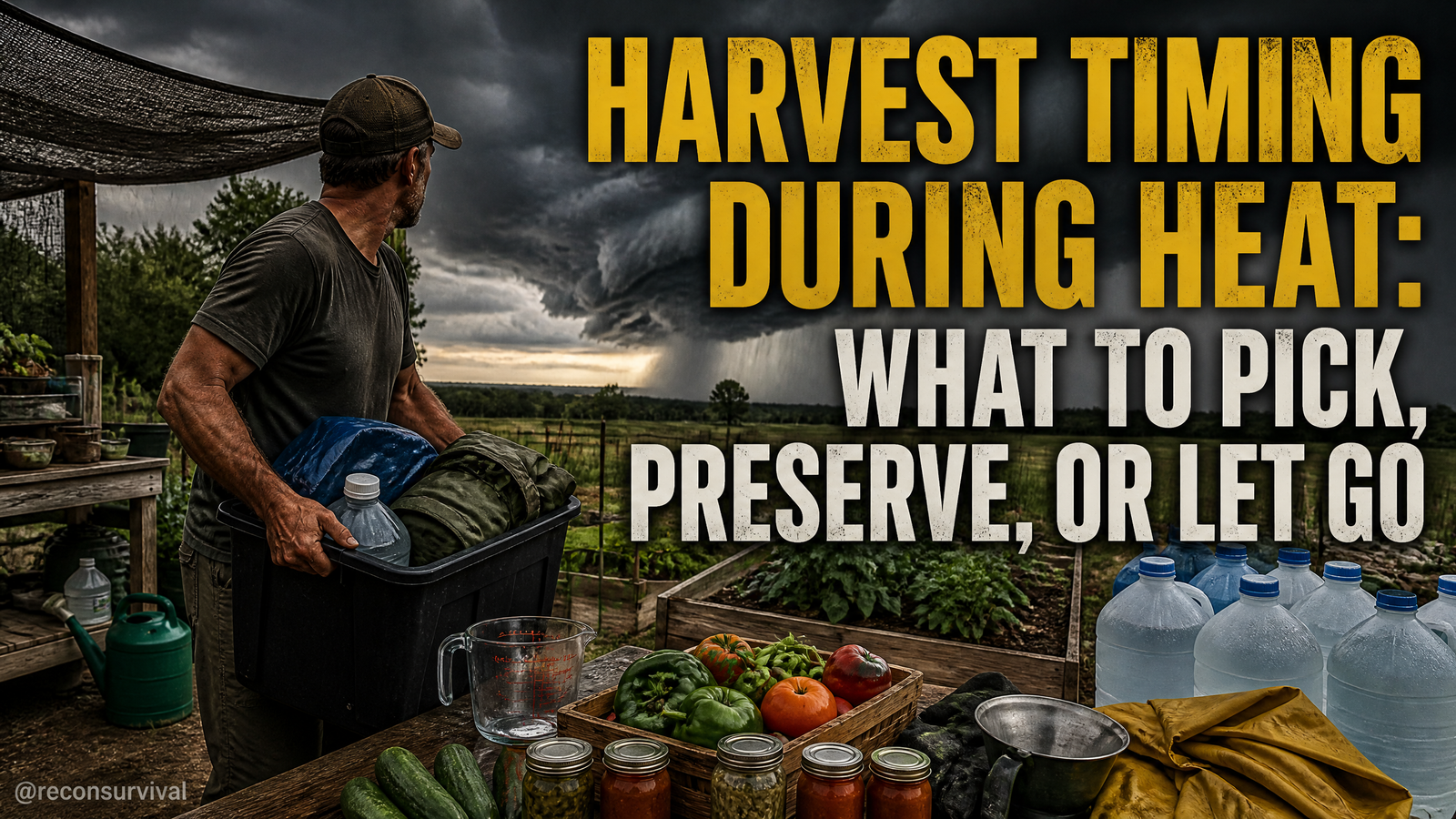
The first thing to fail during a heatwave or sudden power outage isn't the freezer; it's the lettuce on the counter and the tomatoes in the bowl. Within four hours of a temperature spike, the quality of these harvests drops from dinner to compost. This rapid spoilage turns a potential food victory into a safety hazard if you wait until the power comes back to check the damage.
Why Peak Summer Storage Demands a Plan
During the hottest days of the year, food safety becomes a matter of timing rather than just temperature control. When the sun beats down and electricity grids struggle, the window to save produce shrinks dramatically. A bowl of cut melons can reach unsafe bacterial levels in the same timeframe it takes to boil water for a bath. This is not about fear; it is about recognizing that heat acts as an accelerant for spoilage.
The real-world problem is that most guidance arrives after the produce has already turned. People often wait for a storm to pass before checking their garden or pantry. By then, the value of the harvest is gone, and the safety margin has evaporated. A practical plan shifts the focus from reactive cleanup to proactive triage.
The Most Common Harvest Decision Error
The most frequent mistake households make is treating all produce as equal during a crisis. You see a full basket of peppers, a sack of beans, and a pile of leafy greens, and you assume you can wait to process them all at once. This assumption creates a bottleneck where the most perishable items rot while you focus on the hardier ones.
In a heat wave or power outage, leafy greens and cut fruits lose their structural integrity and become breeding grounds for pathogens much faster than root vegetables or whole squash. Waiting to sort through everything "later" allows the heat to do the work of spoiling your food supply before you even get to the work. You end up with a pile of compost and a few tough vegetables, having lost the most nutrient-dense part of your harvest.
The error is a lack of a sorting hierarchy. Without a pre-established order, you default to convenience, which in high-heat scenarios means the food with the shortest shelf life is the first to be ignored. This leads to unnecessary loss and potential foodborne illness if the compromised items are not identified immediately.
The First-Hour Triage Ladder
When heat or a power outage hits, you must move through a three-tiered triage ladder. This system forces you to rank your garden harvest and pantry items based on their vulnerability to heat and time. The objective is to secure the most fragile items first, then the moderately sensitive ones, and finally the long-term storage crops.
Tier 1: The Immediate Action Zone (0 to 4 hours)
This tier includes cut fruits, leafy greens, herbs, berries, and cooked foods. These items must be moved to shade, refrigeration, or immediate processing. If you have no power, these items cannot wait. You must wash them, dry them thoroughly, and move them to a cool basement, a shaded cooler with ice, or process them into a durable form like drying or pickling.
Tier 2: The Same-Day Window (4 to 24 hours)
This tier covers whole tomatoes, zucchini, cucumbers, peaches, plums, and green beans. These can tolerate a few hours of heat but will soften and rot quickly if left too long. The goal here is to either consume them fresh, cool them rapidly with shade and airflow, or move them to a root cellar or shaded storage area. If the power is out, you need to get these items into a cooler environment or begin dehydration.
Tier 3: The Stable Storage (24+ hours)
This tier includes onions, potatoes, winter squash, and root vegetables. These items are resilient. They can sit on a porch or in a warm garage for days without immediate degradation. Do not spend your energy moving these items immediately. Focus your efforts on Tier 1 and Tier 2 first. Once the immediate threats are handled, you can move these stable crops to a cool, dark storage space for long-term retention.
This ladder prevents you from getting overwhelmed. You do not try to save the squash before the lettuce. You follow the sequence of fragility.
The Triage Ladder in Action for Small Yards
In a small backyard or a compact homestead, space and cooling capacity are your primary constraints. You might not have a root cellar or a large generator to run a freezer. Your triage ladder must be adapted to your physical layout.
Start with a clear visual scan of your garden beds and your harvest baskets. Identify the Tier 1 items immediately. If you have a small cooler, it goes to the leafy greens and cut fruit. Wrap the lettuce in damp paper towels to slow moisture loss, then place them in the coolest spot available, such as a shaded shed or a deep kitchen drawer.
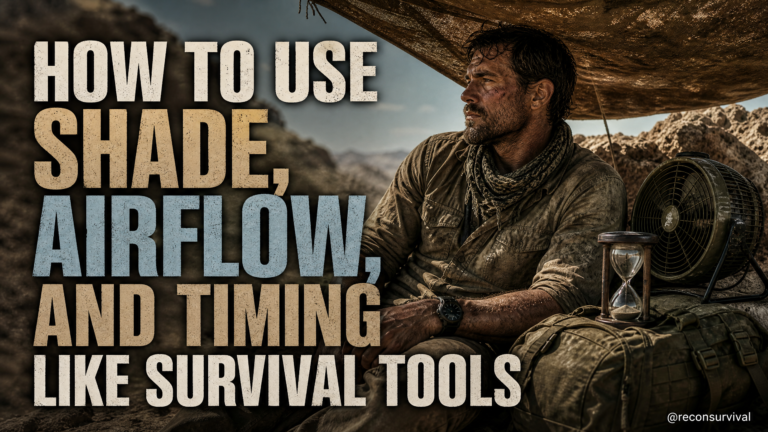
For Tier 2 items like tomatoes and zucchini, use the "airflow method." Place them in shallow baskets rather than deep buckets to prevent crushing and allow heat to dissipate. If you have a cross-breeze, position the baskets in a shaded area with maximum airflow. If the heat is oppressive, move these items indoors to a kitchen away from direct sunlight.
If you have a small homestead with a garden, assign a specific person to monitor the Tier 1 and Tier 2 zones during the first hour of a crisis. This person's only job is to move the fragile items. They do not worry about the onions or potatoes. By isolating the task, you ensure the most critical items are saved before the heat takes its toll.
Low-Cost and Durable Storage Paths
You do not need expensive equipment to implement this triage system. A low-cost option relies on basic household items and careful observation. Use a cooler with ice packs for Tier 1 items. For Tier 2, use a shaded porch or a well-ventilated pantry. You can use a simple fan to circulate air over the baskets of zucchini and tomatoes. This costs nothing in terms of infrastructure, only in time and effort.
The durable upgrade path involves investing in passive cooling and processing capacity. Consider a root cellar or an earth-sheltered storage pit for Tier 3 items. For Tier 1 and Tier 2, a solar-powered fan or a solar-powered freezer can extend your window of safety during outages.
You can also invest in processing tools. A dehydrator allows you to convert fresh produce into shelf-stable food before a heatwave hits. If you have a wood stove or a fireplace, a solar oven or a simple smokehouse can be used to dry herbs and vegetables. These methods remove the water that bacteria need to grow, effectively locking the food in place for weeks or months.
The key is to have these paths ready before the crisis hits. If you wait until the heatwave starts to figure out how to dry your herbs, you will likely lose them to rot.
Failure Points and Decision Triggers
Even with the best plan, things can go wrong. Failure points occur when you lose track of the clock or when the environment exceeds your cooling capacity. You need specific triggers to know when your plan has failed and you need to escalate your response.
Trigger: Time Elapse
If you have not moved your Tier 1 items within four hours of the temperature spike, the failure point is active. Do not wait for the "perfect" moment. Move them now, even if the process is imperfect. The goal is to stop the heat damage, not to achieve perfection.
Trigger: Texture Change
Check the firmness of your produce. If tomatoes are soft to the touch or lettuce is wilting heavily, you have passed the point of optimal freshness. At this trigger, you must decide: consume immediately, or process (can, freeze, dry). Do not let them sit and rot.
Trigger: Odor Check
Smell your harvest baskets. If you detect a sour or fermented smell, you have a failure point. The food is spoiling. Move these items to a disposal zone or a compost pile immediately to prevent the spread of odors and bacteria to the rest of your food supply.
Trigger: Power Loss
If the power goes out, assume the worst-case scenario. The freezer will stay cold for about four hours; the refrigerator will stay cold for about four hours if unopened. Use this time to move the most perishable items to a cooler or a neighbor's house if possible.
Recon Survival Principle
The core principle of this system is that heat is the enemy of time, not just temperature. You are fighting a timer that starts the moment the sun hits your harvest or the power cuts out. Your actions must match the urgency of the spoilage rate. You cannot treat a leaf of basil the same as a potato. You must assign a specific value to each item based on its resistance to heat and its need for immediate intervention.
This means you must prioritize the most fragile items first. You must make a decision about the fate of your food within the first hour of a crisis. If you wait, the window of opportunity closes. Your plan must be a series of immediate actions, not a slow, methodical review.
Do Today
The moment you read this, you must take three specific actions to prepare for the next heatwave or outage. First, conduct a physical walk-through of your garden and pantry. Identify the exact location of your most perishable items. Label them mentally or with a sticky note.
Second, assemble your "First-Hour Kit." Gather a cooler, ice packs, damp paper towels, and shallow baskets. Place these items in a convenient location near your garden or kitchen. Ensure they are ready to be grabbed and used within minutes.
Third, write down your decision triggers on a card. List the signs of spoilage: soft texture, sour smell, visible mold. Tape this card to your fridge or keep it with your First-Hour Kit. This ensures that when the heatwave hits, you have a clear reference for when to act.
Finally, assign a role. If you live with others, decide who is responsible for the Tier 1 items during a crisis. Make sure they know which items are fragile and where the cooling resources are. This preparation turns uncertainty into a calm, controlled response.
By following this sequence, you ensure that your food supply remains safe and usable. You avoid the panic of a spoiled harvest and the waste of resources. You gain the confidence that no matter the heat or the power loss, your food is protected. This is not about fear; it is about competence. It is about knowing exactly what to do when the clock starts ticking.
- Count stored water by person and day, then write the number where the household can see it.
- Date the oldest container and move it to the front of the rotation.
- Add extra water for pets, heat, illness, cooking, or anyone with higher needs.
- Stage the filter, clean pot, funnel, and water-moving container together.
- Write the no-power water sequence on paper: drink, cook, wash, flush, refill.
- Check every cap, container, shelf, and storage spot for leaks or heat exposure.
- Assign one person to refill, one to rotate, and one to recheck after the next alert.