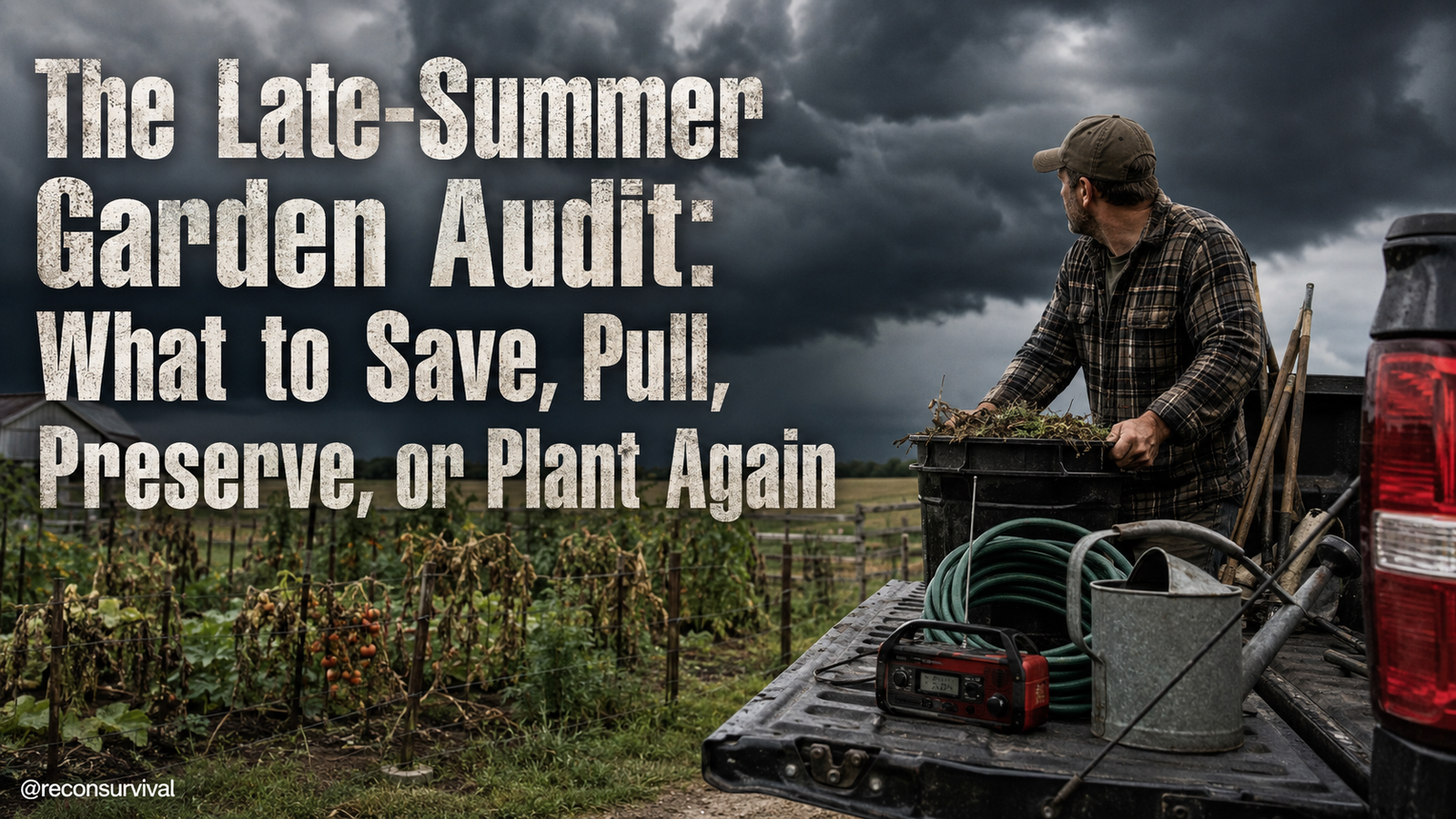
The kitchen garden is where the stress of late summer first becomes visible. Tomato leaves curl in the heat, squash vines turn yellow with powdery mildew, and the fruit flies are thick enough to see. This is the moment when a lack of planning turns a productive patch into a source of waste and disappointment. The problem isn't just that the weather is hot; it is that the window to act is closing while the pests multiply and the harvest peaks. You cannot react effectively to heat damage or pest outbreaks if you haven't already decided what to save, what to pull, and what to plant next.
As an Amazon Associate, I earn from qualifying purchases.
Assessing the Garden for Heat and Pest Damage
Start your audit at the perimeter, then move systematically through the beds. Walk the rows and inspect the soil surface and foliage for the specific signs of late-summer stress. Look for leaf scorch on low-lying plants, which indicates soil moisture has dropped below critical levels. Check for yellowing leaves that signal root rot or excessive nitrogen depletion from rapid growth.
Turn over pots and inspect the undersides of large leaves for the telltale webbing of spider mites or the stippling of thrips. These pests thrive in the dry, hot conditions of August and can decimate a crop in days. If you see signs of pest activity, note the severity in your log. A few spots can be managed; a heavy infestation requires an immediate decision to pull the plant or harvest what is edible.
Verify your irrigation system is functioning under load. Water pressure often drops in the heat, leaving the back of the garden dry. Walk the length of your hose lines or check the timer cycles. Ensure you are watering early in the morning to minimize evaporation. If the soil is hard and cracking, the plants are already stressed. This inspection determines which crops are still viable and which are beyond saving.
Deciding What to Pull versus What to Save
Not every plant deserves your time in late August. You must make the hard choice to pull failing plants to prevent disease from spreading to your remaining crops. Identify plants that are completely yellowed, covered in blight, or eaten down to the stem. These are the losses you must accept. Removing them improves air circulation and reduces the pest population for the rest of your garden.
Keep the plants that are still producing. Focus your energy on tomatoes, peppers, beans, and cucumbers that are still setting fruit or flowers. If a plant is struggling but has green fruit on it, harvest what you can. Even small tomatoes or green beans are worth saving if they are free of rot.
Label your saved plants with a durable tag indicating their harvest priority. This prevents you from forgetting about them as the heat waves continue. If a plant is only producing leaves and no fruit, or if it is a summer annual that has exhausted itself, pull it. This creates space for fall crops. You are not trying to save everything; you are optimizing for the yield you can actually store and consume before the first frost.
Planning the Fall Planting Window
Late August is the start of the window for cool-weather crops. You need to identify the frost date for your area, then count backward to determine what you can plant now. Leafy greens, root vegetables, and hardy herbs like kale and spinach have a high success rate if planted now or in early September.
Check your seed inventory for fall varieties. If you do not have seeds for radishes, beets, carrots, or lettuce, you need to source them immediately. The soil is still warm from the summer, which aids germination, but you must provide consistent moisture. Plan to sow these seeds in shaded areas or use row covers to protect them from the late-summer sun.
Consider what you can start indoors or in a shady nursery bed. If your main garden is overcrowded or suffering from heat, start your fall seedlings in pots on the patio or under a shade cloth. This gives you a head start when the weather finally cools. Decide now on the specific varieties that will last through the winter. Some root vegetables can be left in the ground with protection, while greens may need to be harvested frequently.
The Harvest and Preservation Strategy
A garden is only as good as what you can store. As the heat of the day peaks, the produce harvested then will spoil quickly if not processed. Create a daily schedule for harvesting that aligns with your preservation capabilities. Pick what is ripe every morning before the heat sets in.
Assess your food storage space for canning, freezing, or dehydrating. If your freezer is full, prioritize dehydrating or fermenting greens and beans. If you lack canning supplies, focus on freezing what you can harvest in bulk. Label every container with the date and contents immediately. Do not rely on memory.
Rotate your stored food so that older produce is used first. If you have jars of summer preserves from earlier in the year, check the seals and use them to free up space for the new harvest. The goal is to turn the abundance of late summer into a shelf-stocked pantry before the season ends. Ensure your storage containers are airtight and stored in a cool, dark place.
The Recon Survival Principle
The Recon Survival principle here is: Decide before the heat decides for you.
In a high-stress environment, the ability to make clear decisions based on facts rather than panic determines the outcome. Most people wait until the garden is failing to make a plan. They react to the blight or the pest infestation with confusion. This approach leads to wasted effort and lost food.
Your plan must be a deliberate set of actions executed before the pressure mounts. By auditing your garden now, you separate the viable crops from the failed ones. You prioritize your limited resources on what matters. This removes the emotional weight of watching a garden die and replaces it with a tactical approach to conservation and production. You are not just gardening; you are managing a resource system under stress.
Weekly and Seasonal Execution Timeline
Break your plan down into immediate and future actions to manage the workload. Today, you must complete the full audit. Walk the garden, pull the dead plants, and identify the harvest targets. This single session sets the stage for everything that follows.
This week, focus on the fall planting and preservation prep. Sow your fall seeds, set up shade cloth if needed, and organize your storage containers. If you have a freezer, clear space and start batch processing the ripe produce. Do not let the harvest rot on the vine.
Later this season, as the nights get cooler, re-evaluate your garden. Check your fall crops for frost protection needs. Prepare for the first freeze by moving sensitive plants or covering rows with blankets. Continue harvesting and preserving until the weather forces a halt. This timeline ensures you do not miss the window for fall crops or waste the summer harvest.
Recon Survival Principle
Recon Survival is not about waiting for stress to make the decision. It is about turning weak signals into household action while the fix is still small. Make a practical garden plan for heat damage, pests, harvest, fall planting, and food storage.
Do Today
- Walk the garden perimeter and list all plants showing signs of heat scorch or pest infestation.
- Pull and remove any plants that are fully blighted or eaten down to the stem.
- Harvest all ripe tomatoes, peppers, and beans that are ready to pick today.
- Inspect your irrigation system and ensure all zones are receiving water evenly.
- Check your seed inventory for fall crops and purchase any missing seeds if needed.
- Clear space in your freezer or storage area for the upcoming harvest.
- Label all preserved or stored produce with the current date and contents.
- Set a date for the next full garden audit based on your weekly schedule.
By following this sequence, you move from observation to action. You are not just waiting for the season to end; you are actively managing the transition. This approach keeps your family supplied and your garden productive through the changing weather. The work you do today determines how well you eat tomorrow.