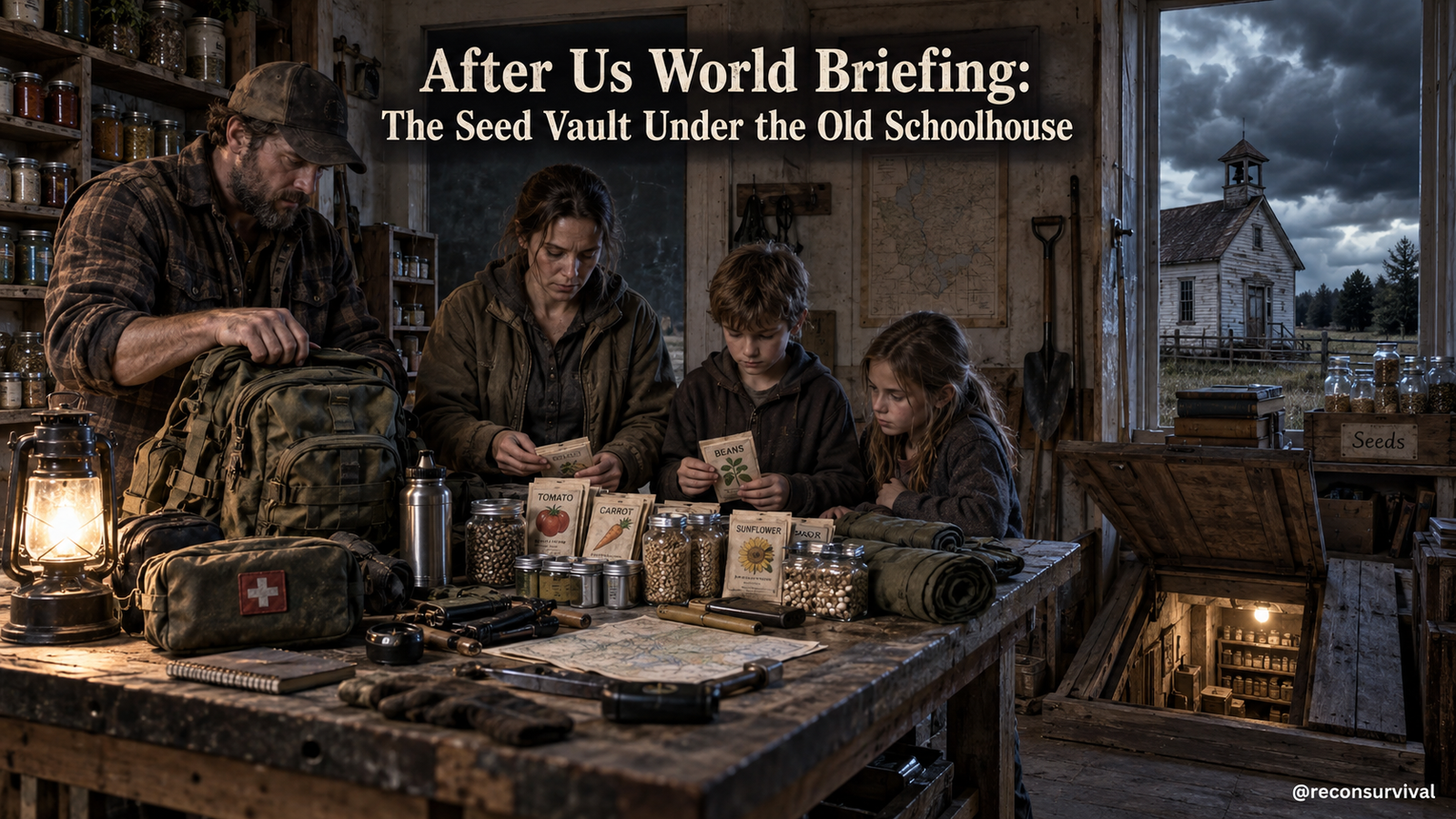
Recon Survival: The Seed Vault Under the Old Schoolhouse
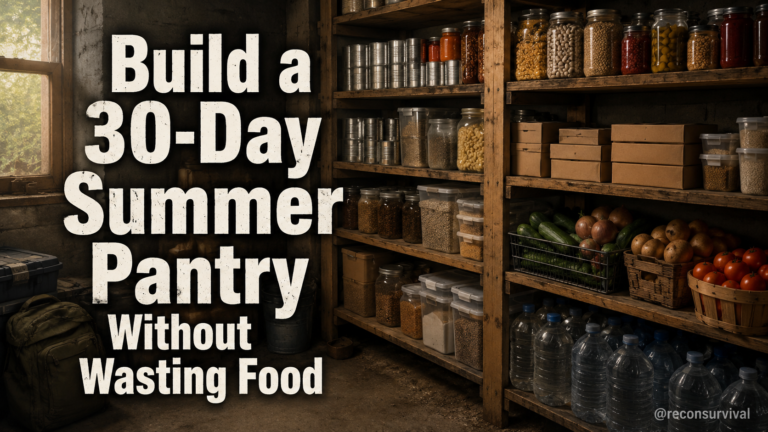
The kitchen pantry is where the silence first sets in. You stand before the jars of grains and the dried beans, and the air feels heavy. It is not just the silence of an empty house; it is the specific, terrifying quiet of realizing that the supply chain that brought those items to your shelf has vanished. In the "After Us World Briefing," this pantry is not a storage area; it is a recovered document.
The document is not written on paper. It is written in the dust on the canning lids and the arrangement of the seed packets in the back. It tells a story of preparation, of a community that understood that food memory is just as critical as the food itself. The mistake people make is waiting until the silence is total to consult this document. By then, the seeds are already in their sleep, and the lesson of preservation has been lost to time. We do not wait. We treat the pantry as a briefing station, reading the physical evidence of the past to secure the future.
Recon Survival Principle: In-Universe Documents as Survival Bridges
The core principle of Recon Survival in this scenario is that we treat the "After Us World" not as a fictional endpoint, but as a source of actionable intelligence. The recovered document – the seed vault under the old schoolhouse – serves as the bridge between the chaotic collapse of the past and the orderly survival of the present.
When we read a fictional collapse report, we often treat it as a warning or a warning. We must treat it as a field manual. The document found in the vault is not just a list of seeds; it is a record of systems that matter. It maps out the seasonal risks, the specific soil conditions of the region, and the methods of drying and storage that allowed a community to survive the "Before Us" era.
To use this document effectively, we must move beyond passive reading. We must engage in practical lessons that apply right now. The document teaches us that seed saving is not a hobby; it is a system of food memory. Every seed saved is a letter written to the future, a guarantee that the knowledge of how to grow food has not been lost. The vault under the schoolhouse is not a place to hide; it is a place to learn. It is the physical manifestation of the After Us World Briefing: a command to prepare, to preserve, and to remember.
The Kitchen Pantry and the Utility Shelf: The First Inspection
The first stop in our walk-through is the Kitchen Pantry. This is the most critical location for identifying the recovered document in our current reality.
- Inspect the Canning Lids: Look at the rings of the lids. Are they rusted? Are they sealed? The condition of the lids is a direct indicator of the food memory stored within. A sealed lid from 2024 is a document that says "we survived." A rusted lid is a document that says "we failed."
- Locate the Seed Packets: Do not just look at the front of the packets. Turn them over. Read the harvest dates. Look for the handwritten notes on the back. These are the practical steps of the past. If a packet is from 2023, note the strain. If it is from 2021, note the failure point.
- Check the Storage Conditions: Is the pantry cool and dry? Is the humidity low? The physical state of the storage area is part of the document. A damp pantry is a failed document. A dry pantry is a successful one.
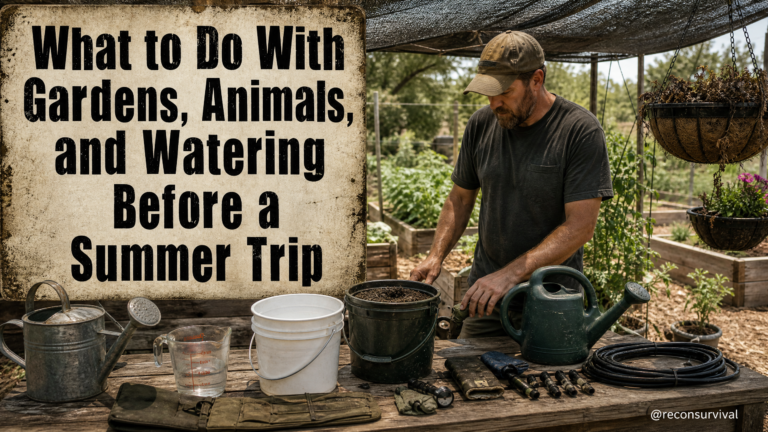
The second stop is the Utility Shelf or the Garden Storage Area. This is where the recovered document of gear and systems is kept.
- Examine the Tools: Check the trowels, the pruners, and the watering cans. Are they clean? Are they sharp? A tool that is rusted and broken is a document that says "we are unprepared." A tool that is maintained is a document that says "we are ready."
- Review the Manuals: If you have manufacturer manuals for the gear you use, read them. Do not keep them in a box. Keep them accessible. The manual is a recovered document that contains the practical steps for maintaining the gear.
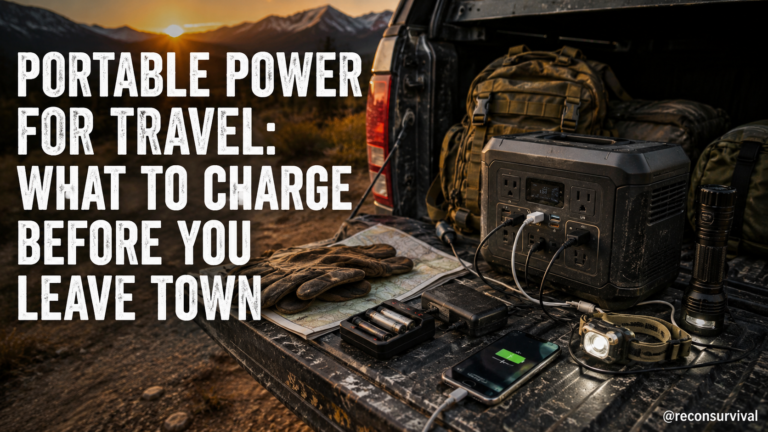
- Map the Systems: Where is the water filtration system? Where is the backup power source? The layout of the utility area is a map of the After Us World systems that will need to function when the grid fails.
The Garden and the Vehicle: The Seasonal Risk Assessment
The third stop is the Garden. This is where the seasonal risks are most visible.
- Identify the Crop Rotations: Look at the rows of plants. Are they following a rotation schedule? If the garden is just a single crop year after year, that is a failed document. A healthy garden is a document of systemic resilience.
- Check the Soil: Dig a small hole. Is the soil dark and rich, or is it dry and brittle? The soil is the recovered document of the food memory. It tells the story of what has been planted before and how it responded to the local climate.
- Assess the Weather Patterns: Look at the sky. Is it clear? Is it stormy? The seasonal risks are not just theoretical; they are immediate. The garden is a living recovered document that responds to the After Us World conditions.
The fourth stop is the Vehicle. This is often overlooked, but it is a critical part of the recovered document.
- Check the Fuel: Is there a full tank? Is the fuel treated for long-term storage? The fuel is a recovered document of mobility.
- Review the Gear: Is the survival kit in the car complete? Are the first-aid supplies within reach? The gear in the car is a recovered document of readiness.
- Map the Routes: Do you know the escape routes? Do you know the locations of the seed vaults or community gardens in the area? The vehicle is a recovered document of mobility and access.
Practical Steps from the Recon Survival Briefing
The After Us World Briefing provides three concrete, practical steps that can be taken immediately to transform your home into a recovered document of survival.
- Label and Date Everything: Take every item in your pantry, every tool on your shelf, and every plant in your garden. Write the date of acquisition or the date of planting on a piece of tape. This is the first step in creating a recovered document. It turns a random collection of items into a system of food memory.
- Conduct a Seasonal Risk Audit: Look at the seasonal risks for your specific region. What are the frost dates? What are the drought periods? What are the flood zones? Write down these risks and create a plan for each one. This is the second step. It turns a passive observation into an active system of resilience.
- Create a Recovery Map: Draw a map of your property and your neighborhood. Mark the locations of seed vaults, community gardens, and water sources. Mark the escape routes. This is the third step. It turns your home into a recovered document of mobility and access.
These steps are not just about survival; they are about food memory. They are about preserving the knowledge of how to live in the After Us World so that it is not lost.
Decision Points: The Weight of the Document
The decision points in this briefing are not about what to do, but about when to do it. The recovered document is a warning: wait too long, and the lesson is lost.
The decision point is the moment you realize that the after-us world is not a distant future. It is a present reality. The decision point is the moment you stop treating the seed vault as a fiction and start treating it as a field manual.
- Do you wait for the crisis to start? If you wait, the food memory will be lost. The seed vault will be empty.
- Do you treat the document as a fiction? If you treat it as a fiction, the practical steps will not be taken.
- Do you act now? If you act now, you are not just surviving; you are preserving the future.
The decision point is the moment you choose to read the document and act on it. The After Us World Briefing is not a story; it is a command. The recovered document is not a warning; it is a map.
Do Today
The Do Today action is simple, but it is the most important step you can take.
Go to your pantry, your utility shelf, your garden, or your vehicle. Find one item that has a date on it. If it does not have a date, write one. If it does not have a label, write one.
This is the first step in preserving food memory. This is the first step in treating your home as a recovered document. This is the first step in reading the After Us World Briefing.
Do not wait. The silence is not just a warning; it is a command. The silence is not a void; it is a field manual