If a water pipe bursts at 3 a.m., would your household know how to handle it before the damage spreads?
The Real-World Problem: Timing and Blind Spots
The most common mistake is waiting until the temperature drops significantly to check if the system is safe. By then, the opportunity for prevention may have passed. Monitoring only after the freeze begins is a reaction, not a prevention strategy.
Another trap is assuming a single device solves everything. A sensor that works in a heated living room may not function in an unheated garage or attic. Relying on a single type of alarm can leave blind spots where pipes are most vulnerable.
The Recon Survival System: Monitor, Check, Act
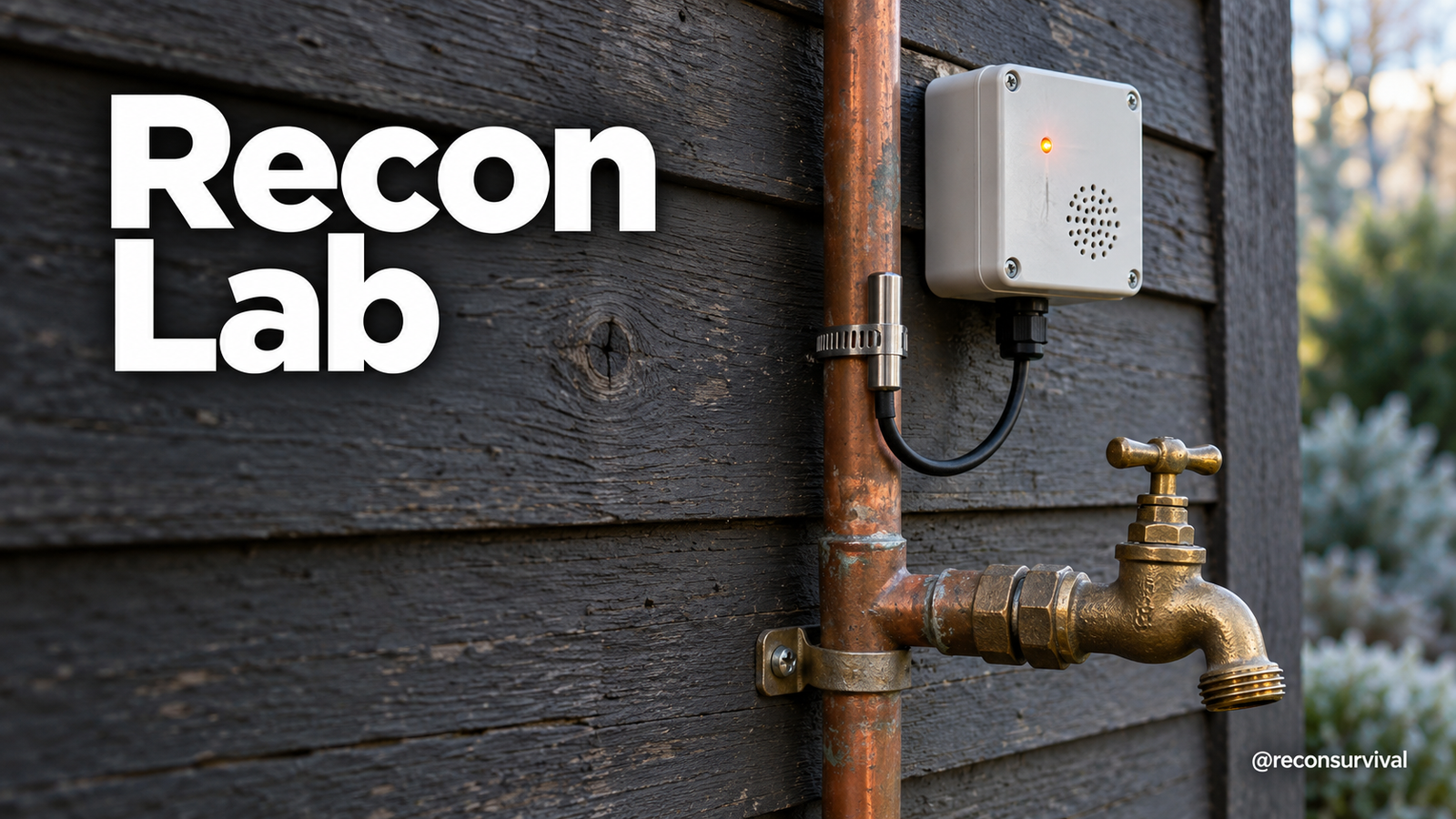
The practical system for reducing winter water damage relies on three monitoring layers: temperature, flow (leak), and power. This approach does not require a complex smart home upgrade. It requires checking the household's existing safety devices and knowing what to look for.
Step 1: Verify the Smoke Alarm Status
A first physical check beats a generic reminder. Start with the smoke alarm.
- Action: Press the test button on the smoke alarm to verify operation. Record the result on a paper card attached to the device.
- Why this works: Smoke alarms often have low batteries months before they fail. In winter, a failure of a basic alert system coincides with a higher risk of electrical issues or heating equipment problems. Knowing your alarms work ensures the household receives a signal if something goes wrong.
- Follow-up: If the alarm does not sound or behaves unexpectedly, follow the manufacturer's instructions for battery replacement or maintenance. Do not force or disassemble the unit.
Step 2: Locate Temperature Monitoring Points
Temperature monitoring provides the earliest warning for freezing risks.
- Action: Identify where water pipes run through unheated spaces such as basements, crawl spaces, garages, or exterior walls. Place a standard thermometer in these areas if one is not already present.
- What to watch: Monitor the ambient temperature in these spaces. If the air feels cold or approaches freezing conditions, the risk to exposed pipes is rising.
- Actionable check: If a room feels cold to the touch, consider opening cabinet doors under sinks in exterior walls to allow warm indoor air to circulate around the pipes. This step utilizes existing household warmth to help protect plumbing.
Step 3: Check for Power and Flow Anomalies
Water damage often occurs when a pipe freezes, thaws, and then leaks. Monitoring power and flow helps identify these secondary failures.
- Action: Locate and check the status of your main water shut-off valve. Ensure you can turn it without using excessive force.
- Why this works: If a pipe bursts, stopping the flow is the fastest way to limit damage. A stuck valve renders any sensor useless because you cannot isolate the problem.
- Leak detection: If your home has automatic water shut-off devices or flow sensors, check their status according to the manufacturer's instructions. Ensure the system has power and that any indicator lights are functioning normally.
- Power check: Verify that outlets powering electronic leak detectors or smart thermostats are active. A loss of power can disable monitoring systems when they are needed most.
Practical Today vs. Future-Ready
The core principle is using simple sensors to create a warning system. This is practical today using accessible tools.
Practical Today:
- Physical thermometers in unheated spaces. * Visual inspections of water shut-off valves. * Battery checks on existing smoke alarms and leak detectors. * Opening cabinet doors to circulate warm air. * Writing down test results on a card for tracking.
Future-Ready / Experimental:
- Remote temperature alerts sent to a phone during a power outage. * Smart water shut-off valves that close automatically. * Continuous flow monitoring that tracks usage patterns.
These advanced features can be useful, but they rely on stable power and internet connectivity. Do not wait for them to feel safe. The basic layers of temperature checking and valve maintenance work without electricity or Wi-Fi.
Recon Survival Takeaway
The value of this system is not the device itself, but the knowledge that a failure is coming. A household that knows the temperature in the basement is dropping and the valve is accessible can act before a pipe bursts. Preparation turns a crisis into a manageable task.
Action Plan: The Tonight Checklist
- Test the smoke alarm. Press the button and record the result on a card. Follow the manufacturer's instructions for battery replacement if needed.
- Locate the main water shut-off. Ensure you know its location and that it moves freely.
- Check unheated spaces. Place a thermometer in the basement, garage, or crawl space. If the air feels cold, open cabinet doors under sinks to let heat circulate.
- Review leak detectors. Check battery levels or status indicators on any smart water shut-off devices or flow sensors according to their instructions.
This plan takes minutes but establishes a baseline for winter safety. If the temperature drops tonight, you will know if your warning system is active and your shut-off is ready.