
How to Find, Label, and Practice Your Water Shutoff Plan
Late October brings a specific shift: the first hard freeze often arrives before the holidays, and travel plans start to clutter the calendar.
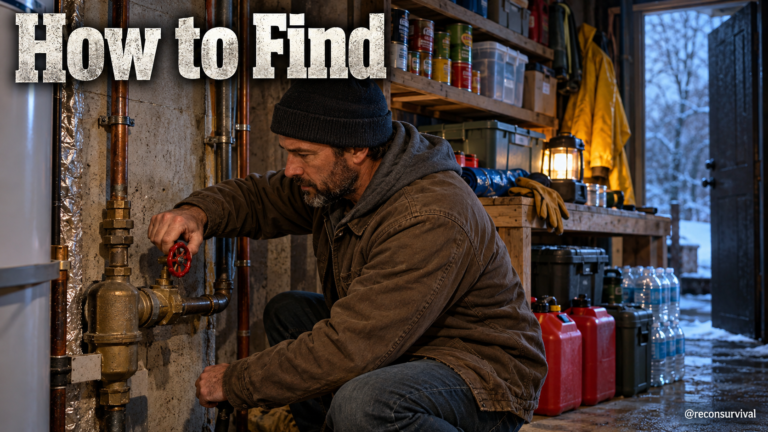
Late October brings a specific shift: the first hard freeze often arrives before the holidays, and travel plans start to clutter the calendar.
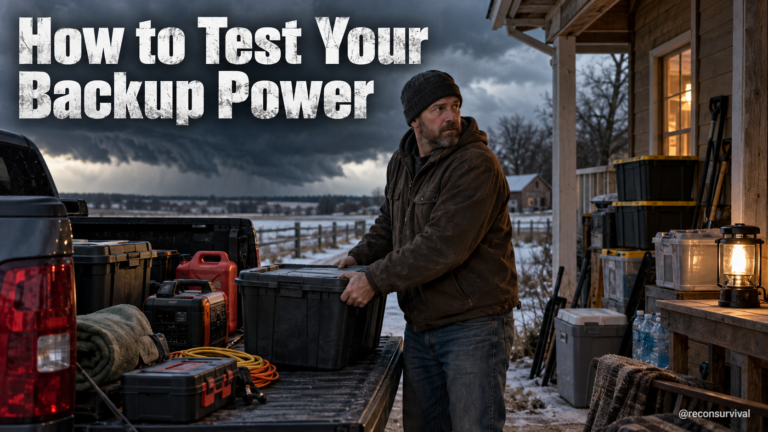
A winter power outage is not just an inconvenience; it is a race against temperature and fuel.
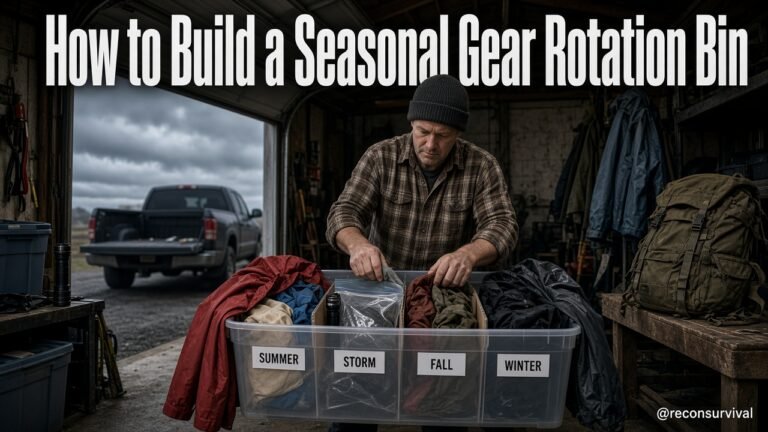
Take a single, medium-sized storage bin and a set of four clearly labeled dividers or zip-top bags.
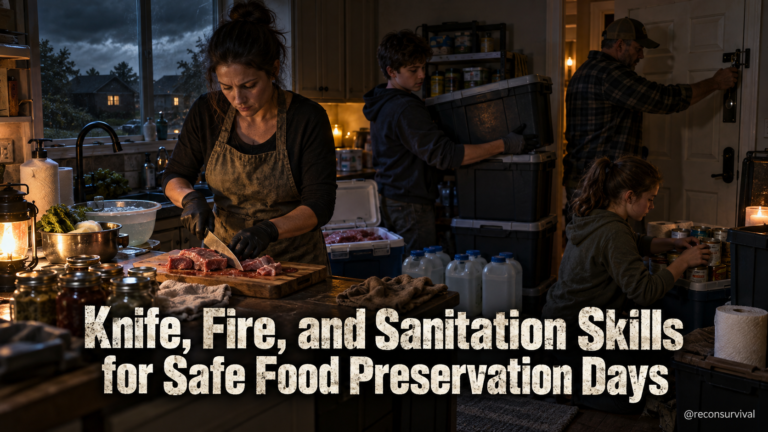
The food you intend to preserve for tomorrow’s dinner begins to rot the moment your counter temperature exceeds 90°F and you leave a cutting board with raw meat juices sitting in the sun.
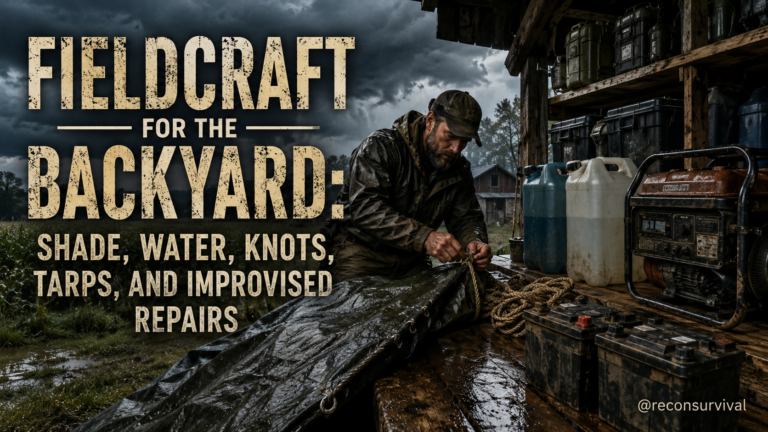
The first thing to fail in late August is rarely the crops; it is the water delivery to the seedlings or the integrity of the shade structure holding the heat at bay.
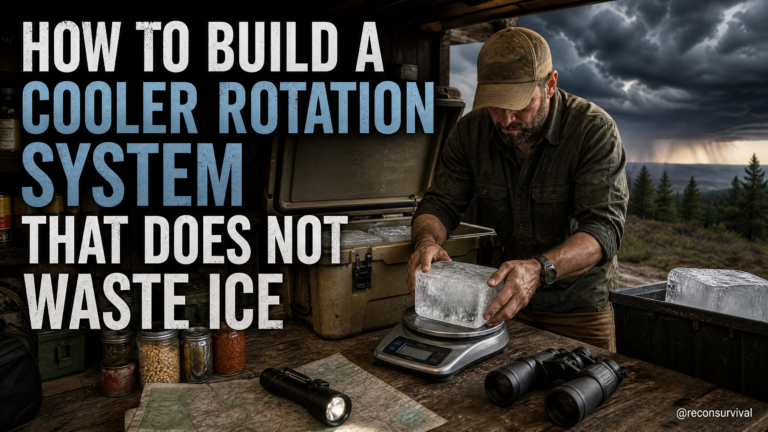
A cooler fails in the first hour when you open the lid too early, let warm air flood in, or when you pack it like a suitcase instead of a rotation system.
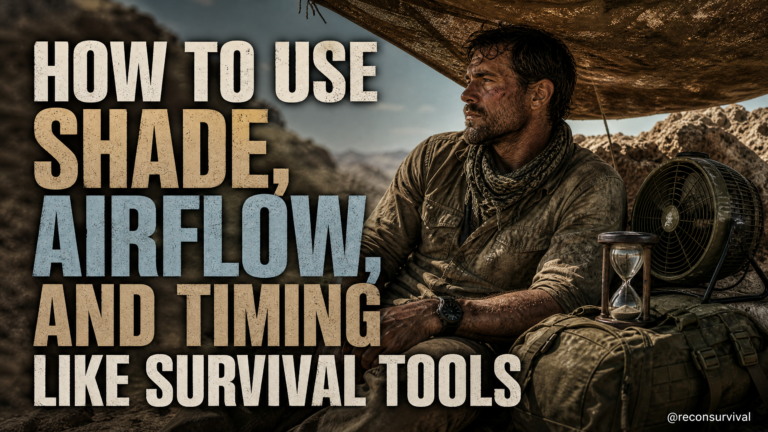
You open the bedroom closet to pull a clean sheet of fabric over a stack of linens, but the heat from the afternoon sun streaming through the window has already warmed the dry room air.
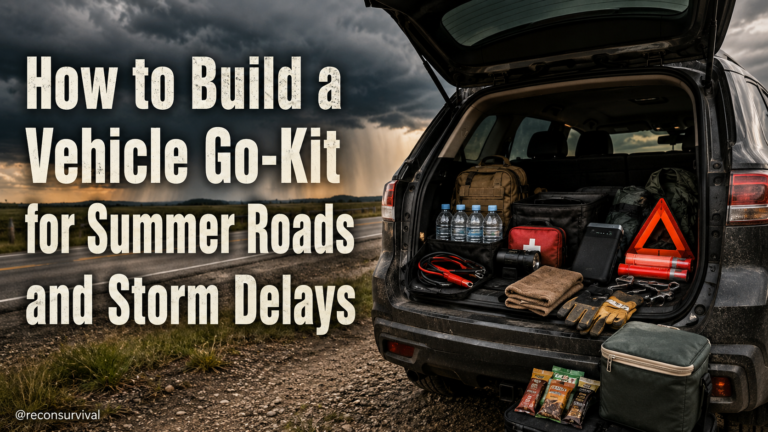
When the heat climbs and the roads fill with traffic, your vehicle becomes the primary barrier between your family and a day that goes sideways.
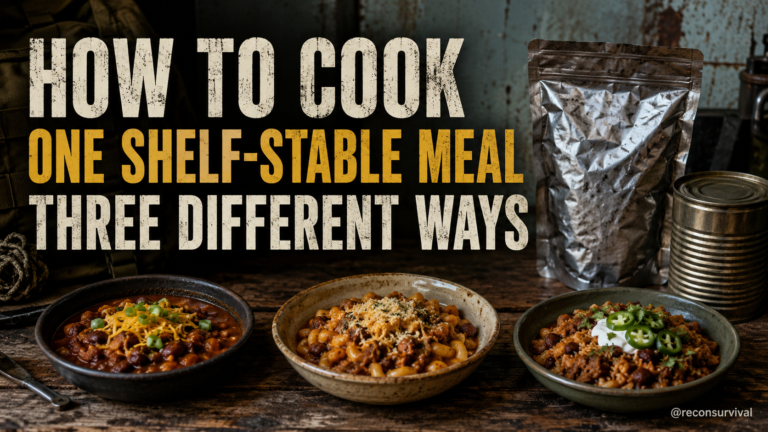
A practical way to practice flexible cooking with stove, grill, solar, or no-cook options, but most advice is either too generic, too gear-focused, or too late.
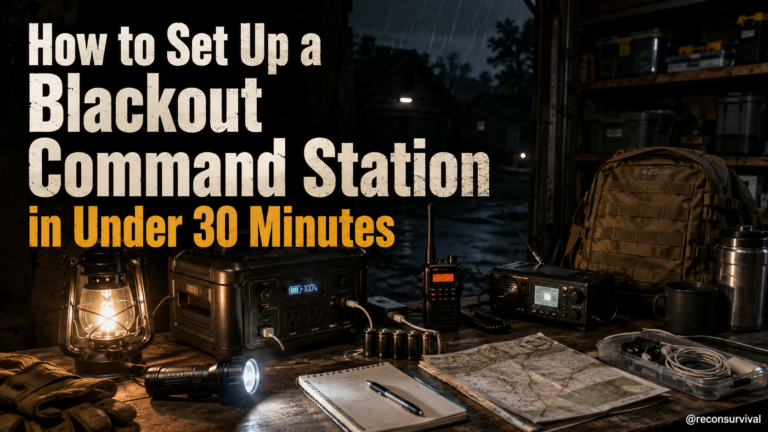
Inside your entryway, the first thing you notice when the lights dim isn’t panic; it’s the lack of a designated place to manage the immediate aftermath.
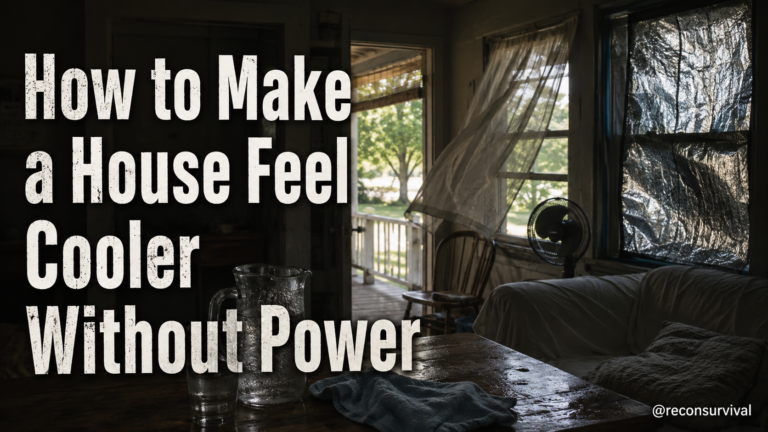
A practical way to use shade, airflow, wet towels, room selection, timing, and low-energy habits to reduce heat stress, but most advice is either too generic, too gear-focused, or too late.