
Light Discipline for Normal Homes: Where to Use Light and Where Not To
Late summer outages often drag on long enough that discomfort shifts into a security risk.
Late summer outages often drag on long enough that discomfort shifts into a security risk.
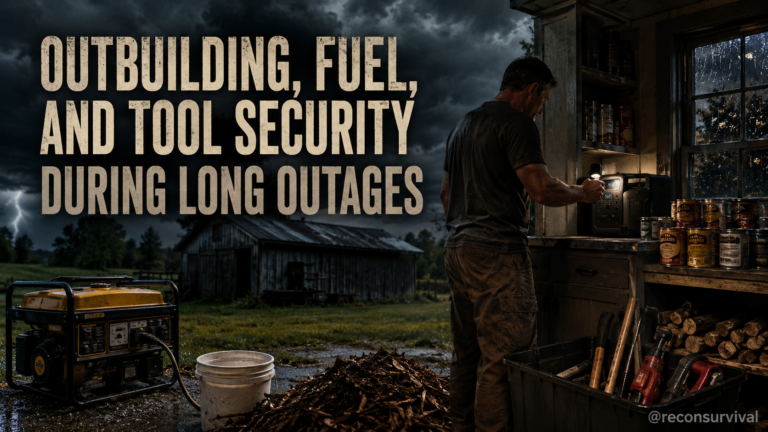
Heat waves drive air conditioning units to full capacity while grid loads spike.
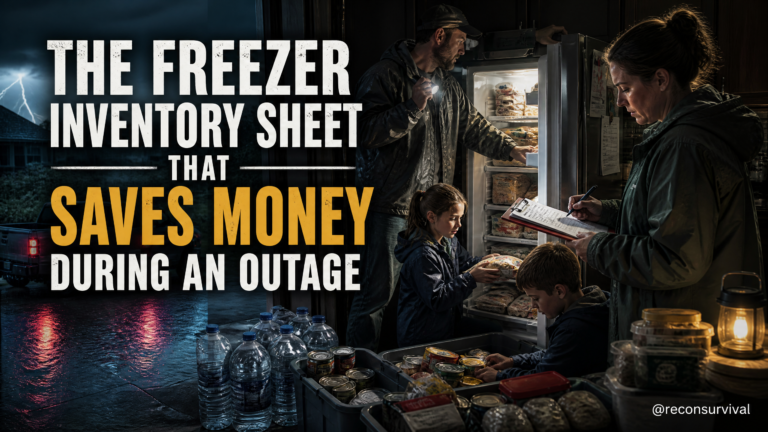
When the power blinks out, the freezer doesn’t fail all at once.
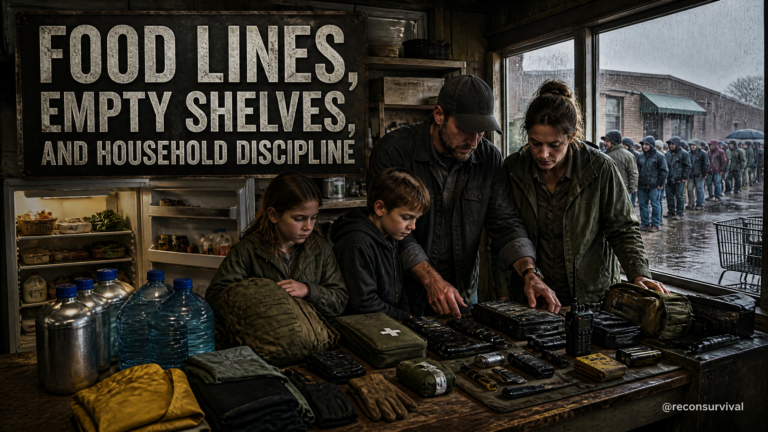
You can watch stress double when someone stands in a long line for one missing item while food in the fridge inches toward unsafe.
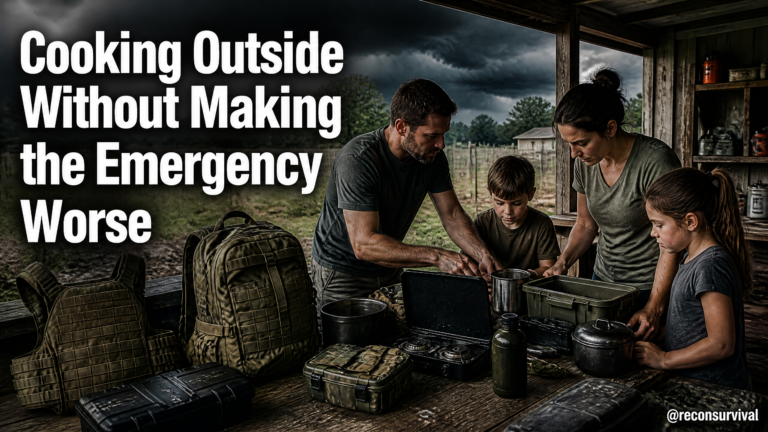
The power drops on a 98-degree afternoon, the kitchen turns into a heat trap, and the fridge starts warming while everyone gets hungry.
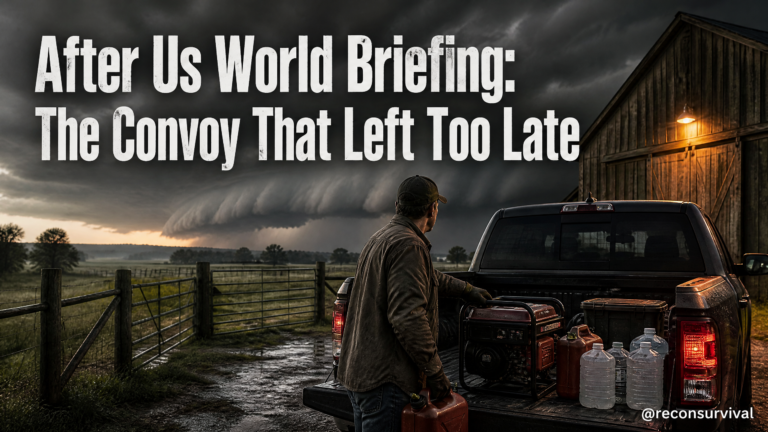
The forecast cone just shifted and your gas gauge reads half.
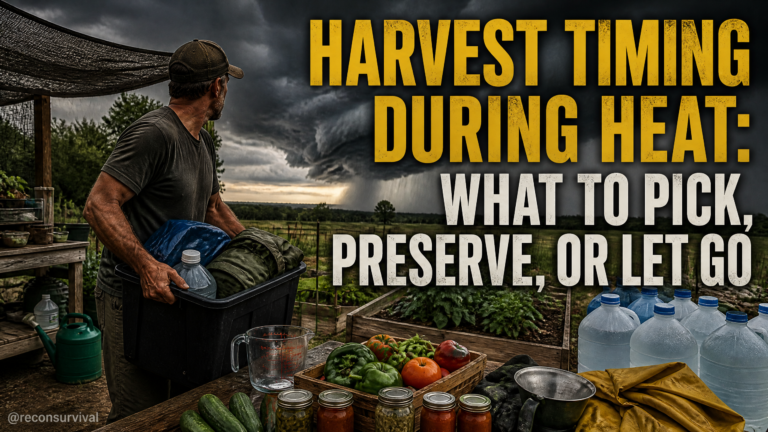
The first thing to fail during a heatwave or sudden power outage isn’t the freezer; it’s the lettuce on the counter and the tomatoes in the bowl.
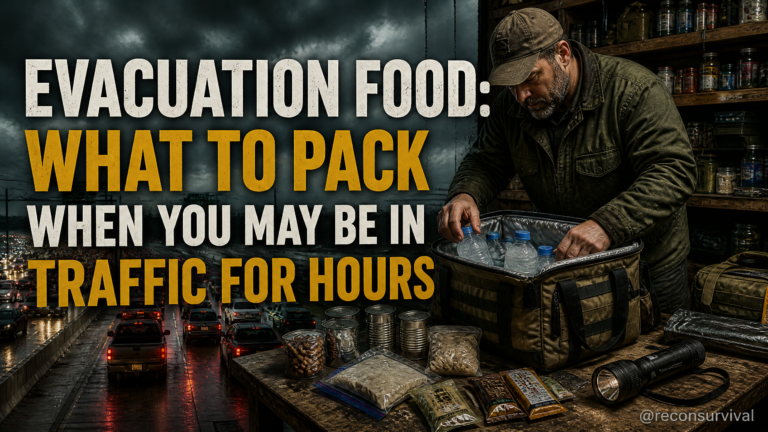
Gridlock turns small problems into big ones fast.
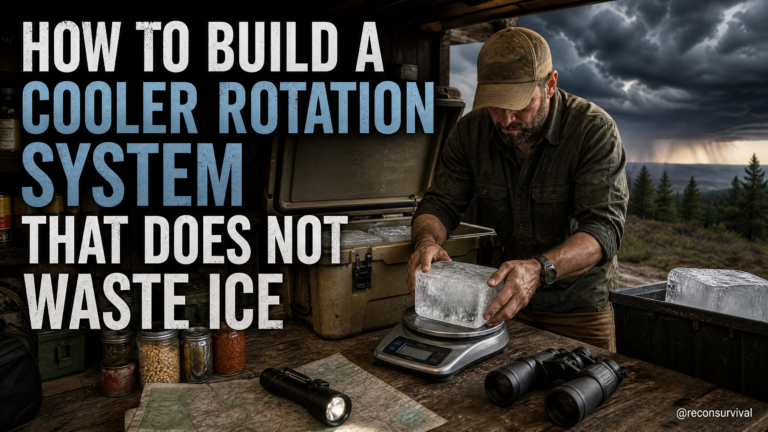
A cooler fails in the first hour when you open the lid too early, let warm air flood in, or when you pack it like a suitcase instead of a rotation system.
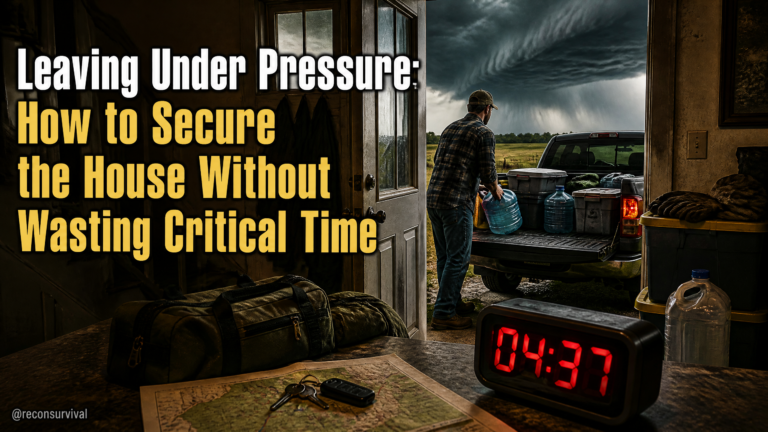
You’re in the front hall, go-bags zipped, map on the counter, weather alerts stacking up, and the clock is loud.
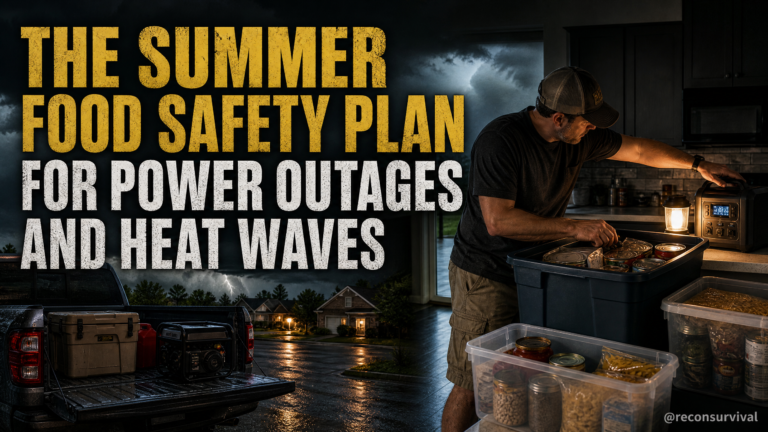
The first item to fail during a summer power outage is rarely the generator or the freezer.
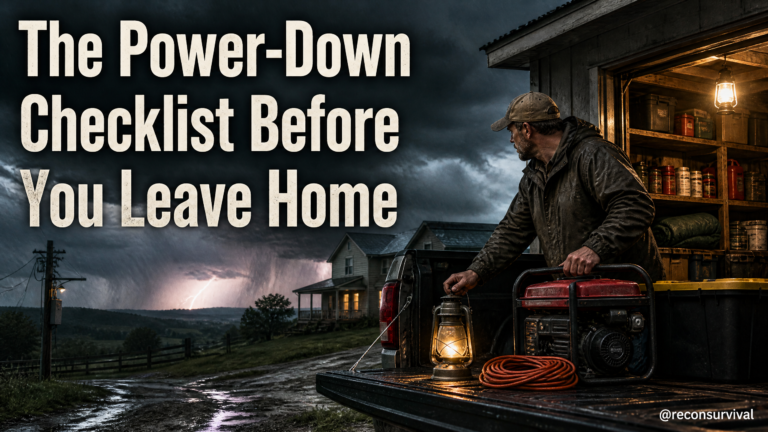
Wind pushes rain under shingles, the grid wobbles, and compressors slam on against low voltage.