Leaving Under Pressure: How to Secure the House Without Wasting Critical Time
You’re in the front hall, go-bags zipped, map on the counter, weather alerts stacking up, and the clock is loud.
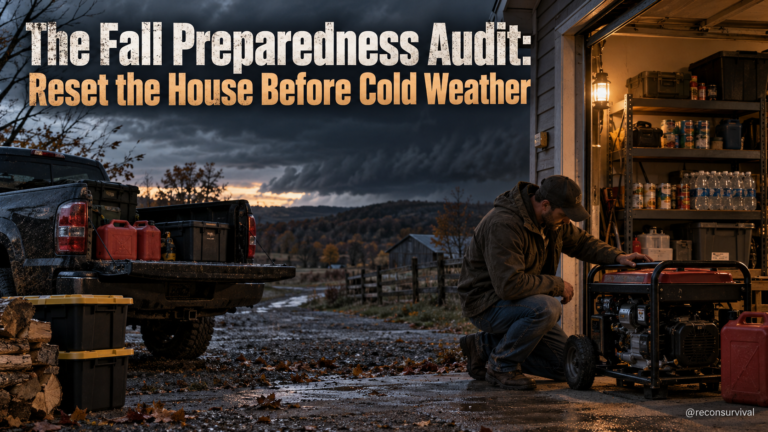
The first item to fail during a summer power outage is rarely the generator or the freezer.
Wind pushes rain under shingles, the grid wobbles, and compressors slam on against low voltage.
The moment a vehicle leaves the driveway or a suitcase closes, the household’s risk profile shifts.
Walk to your gate and look at the ruts, the ditch, and the swing of the hinge.
The air conditioning unit in a vacant house shifts from a cooling burden to a liability the moment the thermostat is left at summer highs.
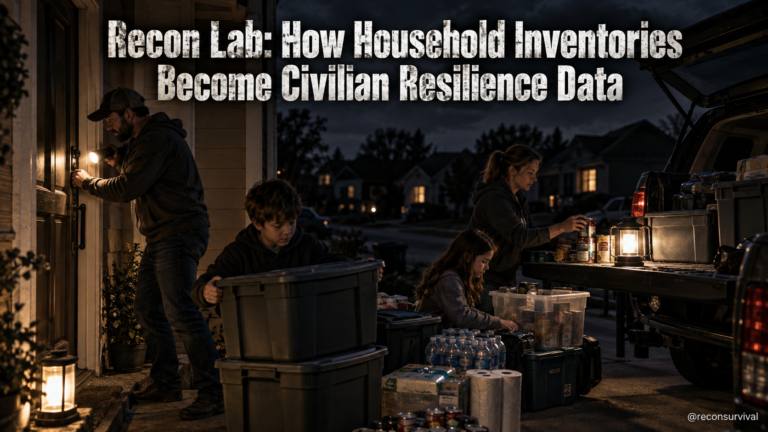
If you had 30 minutes to leave, could you load your people, pets, documents, meds, water, and chargers without tearing the house apart?
The entryway light stays on a solid ten minutes longer than the garage door closes.
Heat outside drives compressor cycles inside, which warms food on the door, which accelerates spoilage, which increases ice demand, which pulls power, which shortens your outage runway.
Park in your driveway, set a 30 minute timer, and turn off cellular data and Wi‑Fi on your phone.
Hanging baskets and shallow pots are the first to crisp in heat.