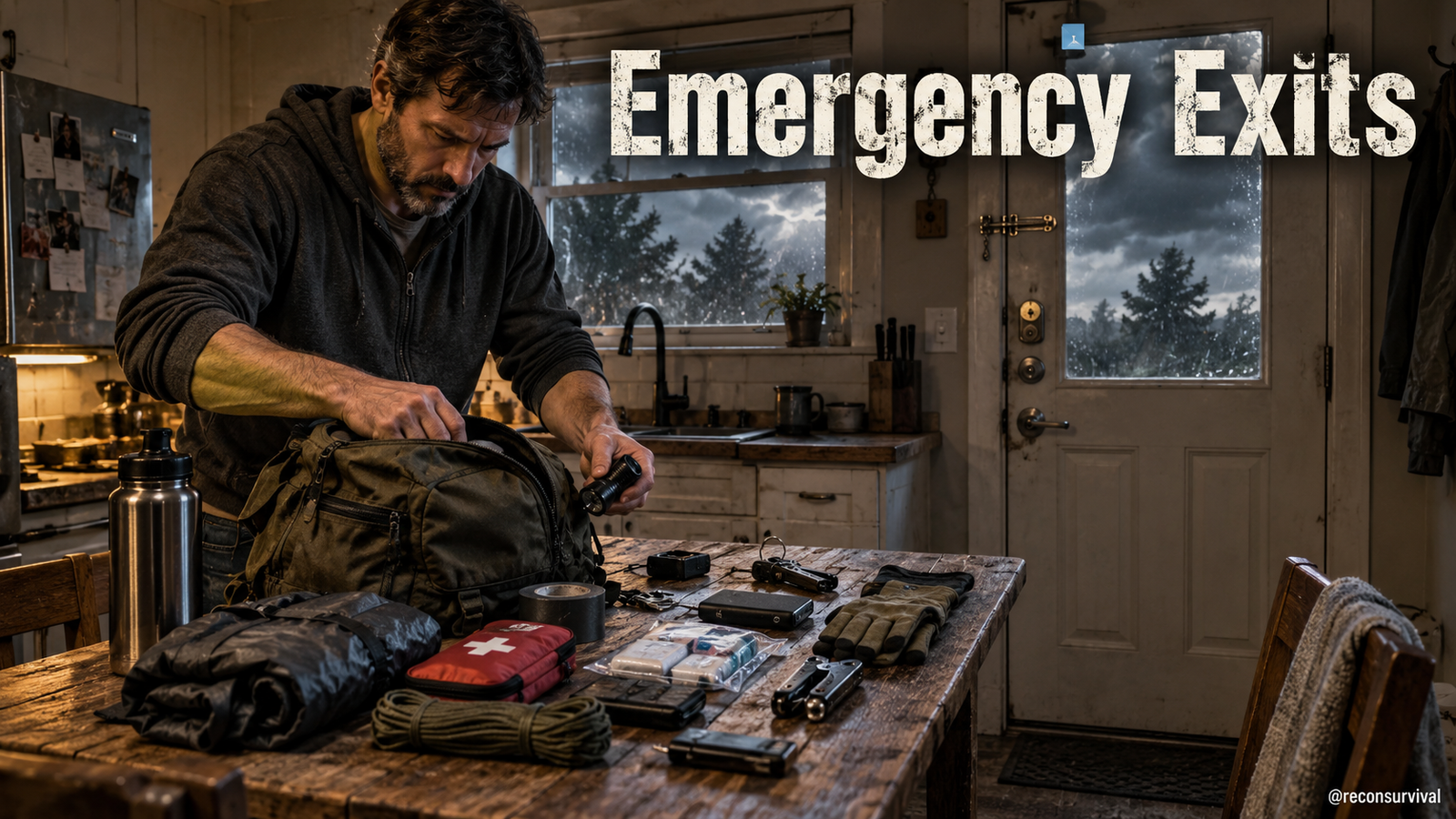
Open the exit door from inside and check that the path is clear. Start with the door you expect to use when leaving the house, then walk the route from each sleeping room. A lock, security bar, storage pile, or stuck latch can turn a familiar route into a problem before anyone notices.
Home security and household escape need to work together. A stronger door does not complete the job if someone inside cannot operate it. Treat every change to locks, windows, furniture, and alarms as a reason to walk the route again.
Test the Exit in Its Normal Condition
Check the door with the locks and security devices set as they normally are while the household is home. In safe conditions, operate each release from the inside and open the door. Testing only an already-unlocked door misses the part most likely to cause confusion.
Watch for a latch that sticks, a bolt that needs unusual force, or a release hidden behind furniture. Check whether the people who might need the exit can reach and operate it. Do not assume a child, visitor, older relative, or person with limited hand strength can use the same hardware as you.
If an inside lock requires a key or tool, treat that dependency as something to resolve with a qualified installer and local fire-safety guidance. A key concealed under a rug is not a dependable escape arrangement. Avoid improvised modifications that damage the door or change a listed device's operation.
Walk From the Bed to the Outside
Start at each sleeping location and walk to the intended exit with the lights on. Move boxes, shoes, laundry baskets, and furniture that narrow the route. Notice changes in floor level and places where a loose mat might catch a foot.
Keep everyday storage out of the route. A folding chair temporarily left in a hallway can become a permanent obstacle if nobody owns the cleanup. Assign a storage location for the items that repeatedly collect near the door.
Check the outside landing as well. Make sure the door can open fully and that the route does not immediately end at another locked gate or a pile of equipment. Do not conduct blindfolded exercises or introduce smoke into the house to make practice feel realistic.
Check Window Hardware Without Creating Another Hazard
Identify which windows are part of the household escape plan. Check that their intended release operates and that they are not painted shut or blocked by furniture. If security bars or screens affect escape, get appropriate advice about compliant release hardware. The U.S. Fire Administration provides home escape-planning resources.
Opening a window during a daytime hardware check does not establish that it is a safe way down from an upper floor. Plan that situation with appropriate equipment, its instructions, and local fire-service guidance. Do not ask children to climb out during a practice walk-through or to break glass as an ordinary escape method.
Keep the plan specific to the room. A bedroom window behind a desk needs a different fix from a ground-floor door with a sticking latch. Record the actual obstacle and who will arrange the repair.
Check Electronic Locks and Power Dependencies
Read the instructions for electronic locks and access controls. Confirm how the device is meant to operate when power or connectivity is unavailable. Locate the manufacturer-approved inside release and demonstrate it to the people who use the door.
Keep security devices in their intended configuration. Do not disable fire alarms, defeat release mechanisms, or depend on a phone app as the only way to leave. If the behavior is unclear, contact the installer or manufacturer before relying on it.
After a lock change, have each household member demonstrate the inside opening action. Repeat the walk-through after furniture moves or a new security device is installed. The trigger for checking is a change to the route, not a date written on an old checklist.
Put Household Roles on Paper
Choose an outdoor meeting location and explain it to everyone who stays in the home. Make arrangements for people who may need help. During a real fire, get out, stay out, and contact emergency services; do not return for belongings.
Keep the plan near the household information people already use. Visitors need clear directions too. Explain the ordinary door hardware before they need it, and identify where the route goes once they are outside.
During a practice walk-through, stop at the meeting location and discuss what prevented a smooth exit. Fix the physical problem rather than asking everyone to remember a complicated workaround.
Do Today
- Open the exit door from inside with its normal hardware engaged.
- Remove stored items from the route and outside landing.
- Check releases on windows included in the escape plan.
- Read the instructions for electronic locks and security devices.
- Arrange repairs for hardware that sticks or cannot be operated by its users.
- Explain the meeting location and assistance plan to the household.
Keep the house secure while making departure a familiar physical action. A route that people can operate and use is stronger than a plan that depends on finding a key under stress.