
Visitors, Rumors, and Boundaries: Managing Human Friction During an Outage
It is not the storm or the lack of power that turns a neighborhood quiet into a security problem.
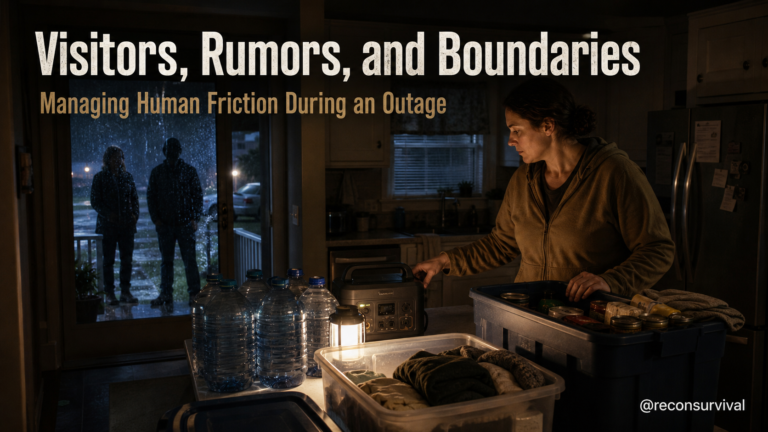
It is not the storm or the lack of power that turns a neighborhood quiet into a security problem.
Late summer outages often drag on long enough that discomfort shifts into a security risk.
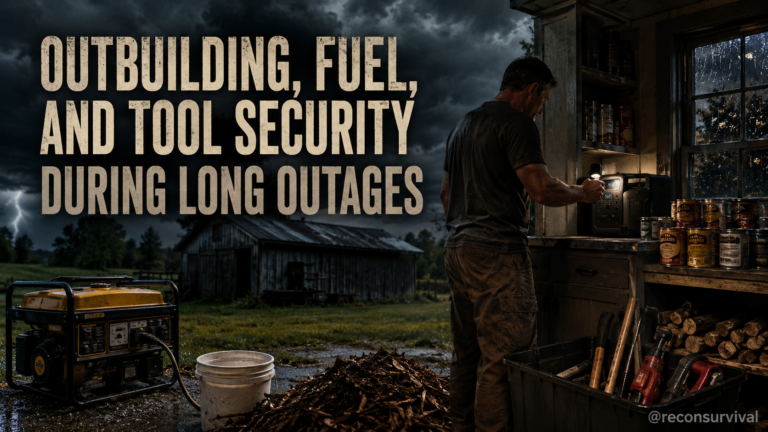
Heat waves drive air conditioning units to full capacity while grid loads spike.
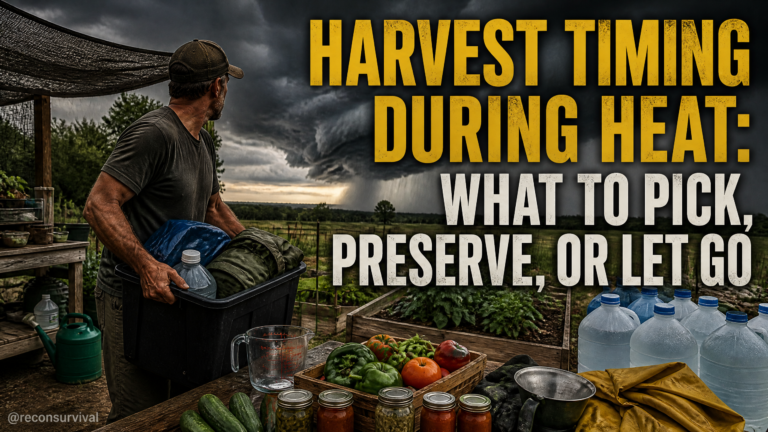
The first thing to fail during a heatwave or sudden power outage isn’t the freezer; it’s the lettuce on the counter and the tomatoes in the bowl.
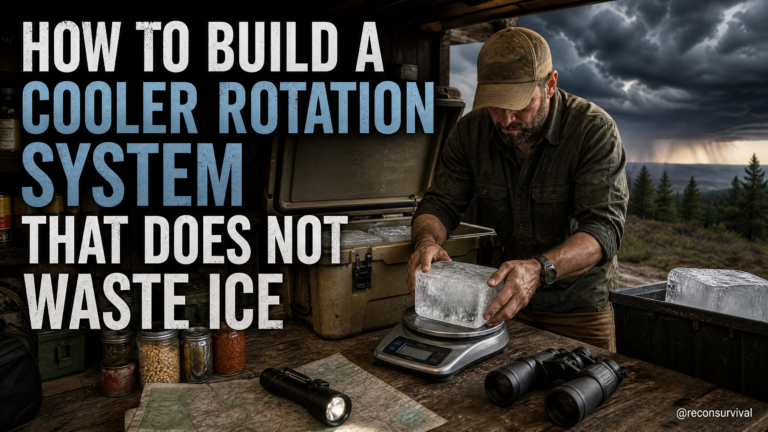
A cooler fails in the first hour when you open the lid too early, let warm air flood in, or when you pack it like a suitcase instead of a rotation system.
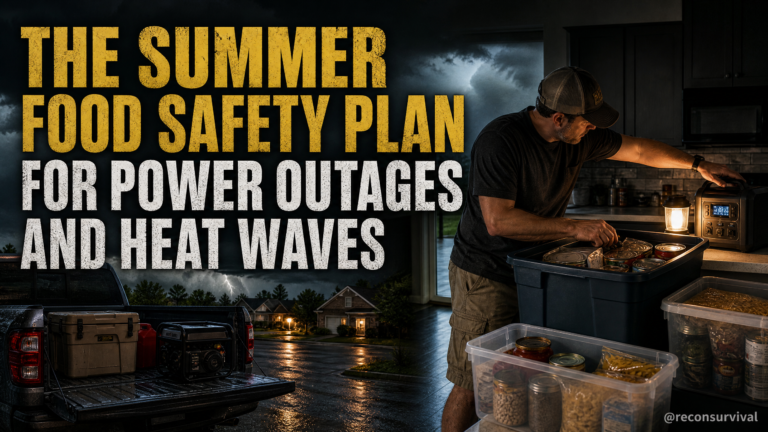
The first item to fail during a summer power outage is rarely the generator or the freezer.
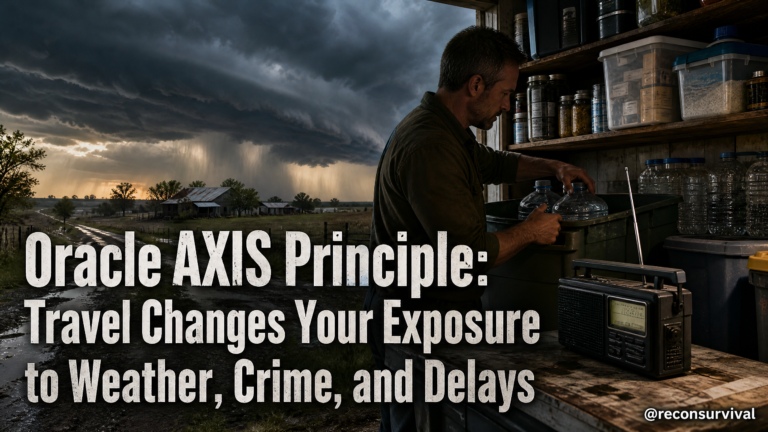
The moment a vehicle leaves the driveway or a suitcase closes, the household’s risk profile shifts.
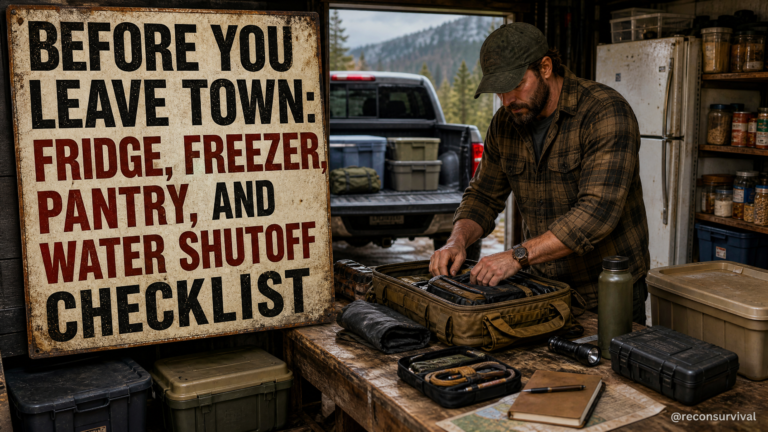
The air conditioning unit in a vacant house shifts from a cooling burden to a liability the moment the thermostat is left at summer highs.
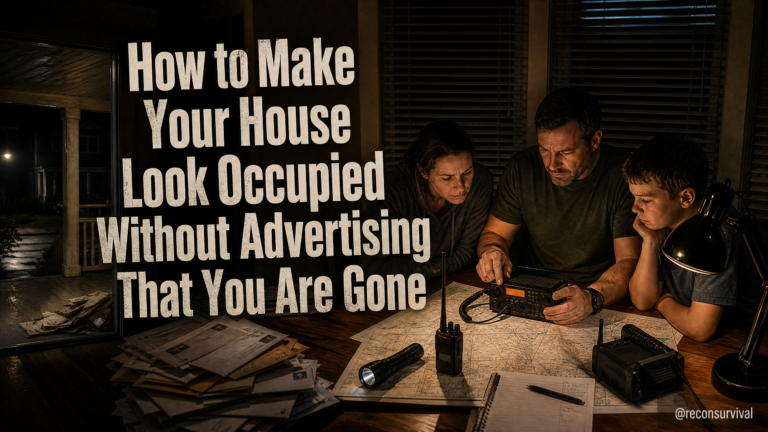
The entryway light stays on a solid ten minutes longer than the garage door closes.
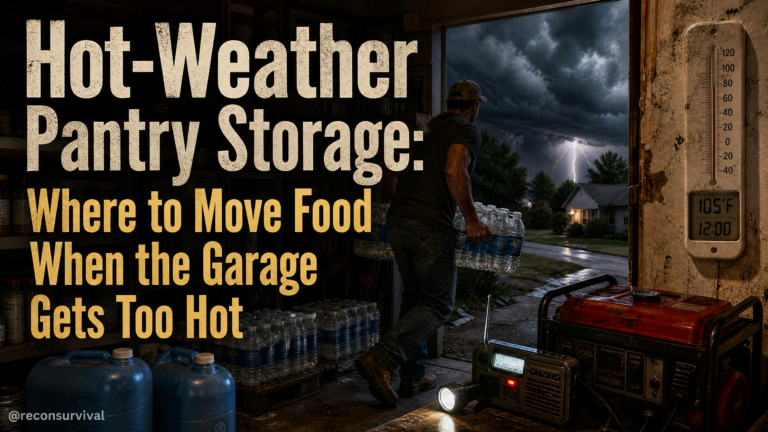
The garage thermometer reads 105°F at noon.
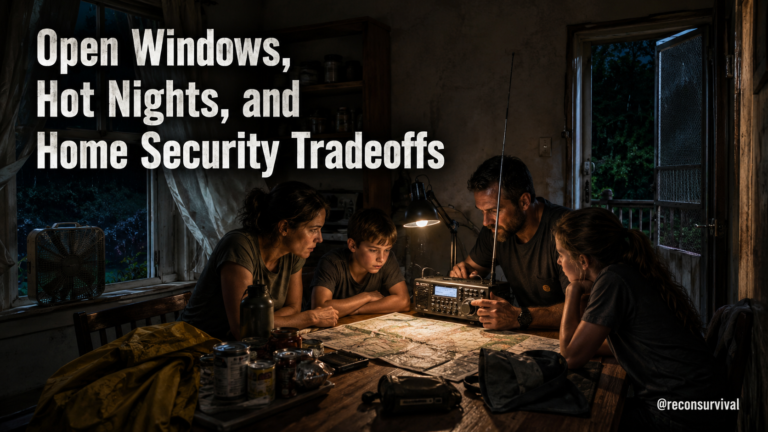
The air inside the living room feels thick, a humidity blanket that presses against the skin.
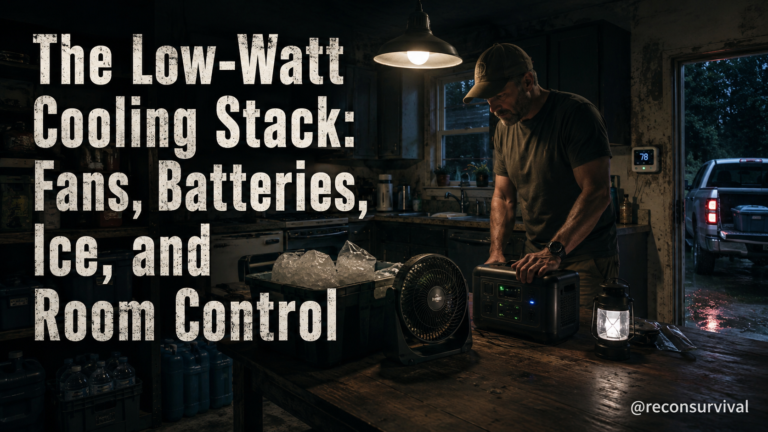
When the air conditioning stops or the grid goes dark, a quiet bedroom in July becomes a survival challenge.