The Kitchen: Verify Your Cooking Safety and Ventilation
Stand in the middle of your kitchen and touch the handle of your main gas appliance. This single interaction reveals where your holiday readiness stands. As neighborhoods become active around the Fourth of July, the temptation to host gatherings increases. With the travel rush approaching, you will likely use the grill more, run larger cooking devices, and invite more people into a space that may not be as spacious as you think. The immediate risk is not a disaster, but an operational failure: a gas leak, a clogged ventilation system, or a power outage that leaves you without heat or hot water when you need it most.
As an Amazon Associate, I earn from qualifying purchases.
The holiday weekend acts as a stress test for your household systems. It forces you to rely on your primary home systems while simultaneously planning for travel disruptions. If your power goes out tonight, what fails first? The refrigerator, the sump pump, or the backup generator? Many readers wait until the power flickers to check these items, but that is too late. You must use the week before the holiday to inspect the kitchen, check your vehicle fuel levels, and confirm family communication channels are open before the travel surge hits.
The Garage: Power Systems and Vehicle Exit Points
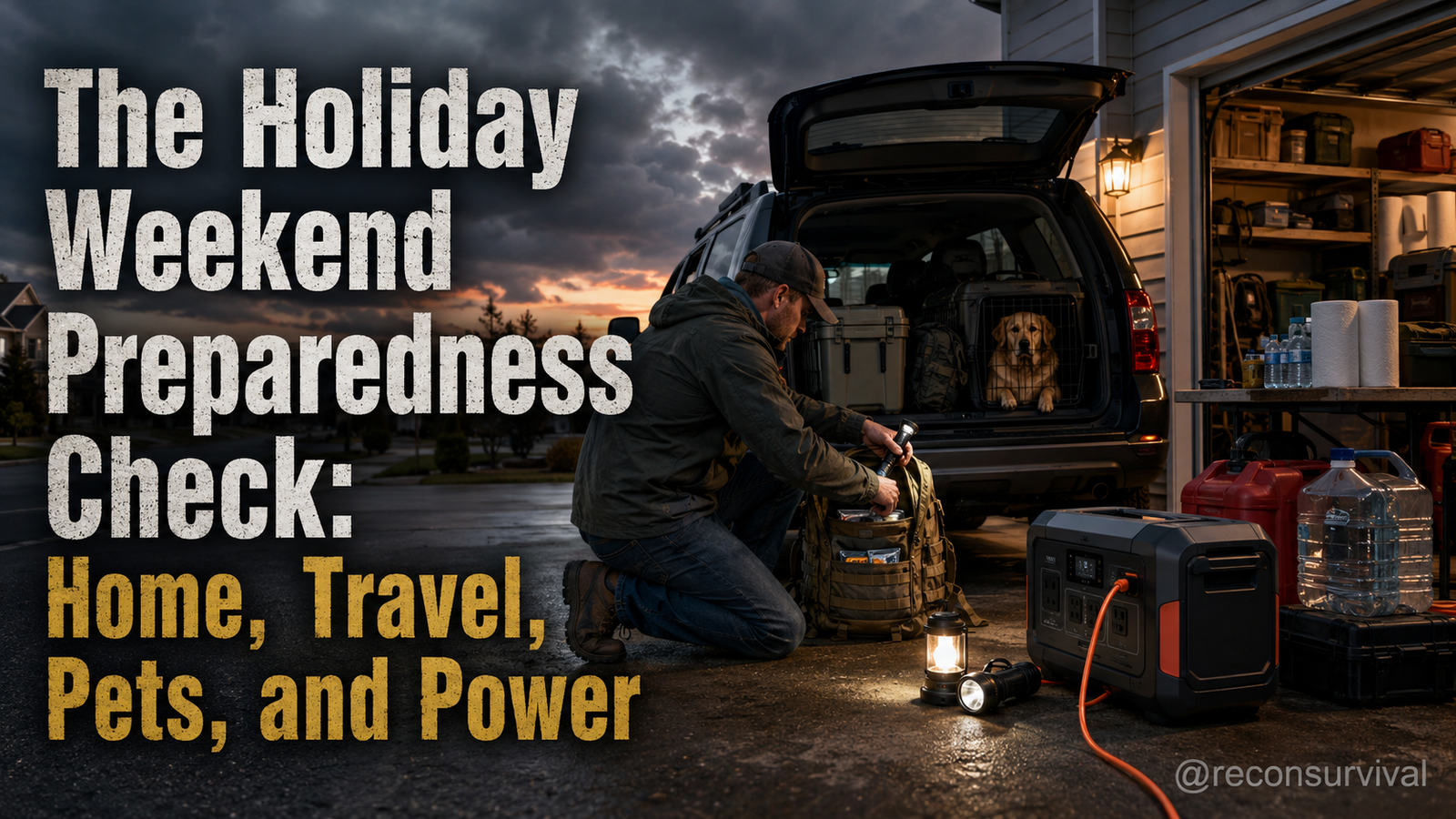
Move from the kitchen to the garage. This is the second most critical area for your Independence Week neighborhood readiness. Power systems, often located in this space or connected through it, must be inspected for failure points. Check your generator, battery backup, or uninterruptible power supply (UPS). Ensure the area around these units is clear of gasoline and flammable materials. If you use a generator, verify the exhaust is directed away from the home and the vehicle.
Inspect your vehicle's fuel level. Fill it to near capacity before the holiday travel surge begins. Traffic increases significantly, and fuel stations may have limited hours or long lines. A full tank provides a buffer against delays caused by road closures or heavy congestion.
Review your vehicle's safety equipment. Ensure your spare tire, jack, jumper cables, and flashlight are present and functional. Check your first aid kit and a small emergency supply of water and non-perishable food. These items are often overlooked until a breakdown occurs. Practice the exit procedure with the children or roommates to ensure everyone knows how to evacuate quickly if the vehicle is compromised or if you are stranded.
The Living Room and Entry: Communication and Security Zones
The living room and entryway are the primary zones for family communication and security readiness. As traffic increases and neighborhoods become crowded, the risk of strangers entering or leaving the property changes. Secure your entry points. Test the locks on all doors and windows. Ensure your security system is armed when you are not home, but also confirm that you have the ability to communicate with neighbors and family members if a situation arises.
Set up your family communication plan. Designate a meeting place outside the neighborhood in case of an evacuation or a large-scale event. Store a copy of this plan in your vehicle and on your phone. Review your contact list to ensure you can reach all family members.
Secure your outdoor perimeter. Trim back tree branches that could fall onto your home or vehicle. Remove obstacles from your driveway that could hinder emergency access or your own exit.
The Bedroom and Bathroom: Personal Safety and Supplies
Check the safety of your personal spaces. Ensure smoke detectors and carbon monoxide alarms are working in the bedroom and living areas. Test them now, before the holiday week begins, and replace batteries if needed. Check the contents of your home safe or lockbox for essential documents and small cash reserves.
Verify that your medical supplies are accessible. Ensure you have a supply of prescribed medications and over-the-counter remedies for common summer ailments like heat exhaustion or minor cuts. Keep these supplies in a location where they can be grabbed quickly during an emergency.
The Rec Room and Utility Spaces: Hazard Management
If you have a recreation room or a space with entertainment equipment, ensure that all electrical cords are properly rated and not overloaded. Check that the entertainment systems are not the sole source of power for critical devices. Review the location of your emergency lighting and flashlights. Ensure you have a backup method for lighting if the main power fails.
Check your utility shut-offs. Know where the main water, gas, and electricity shut-off valves are located and how to turn them off. Practice this with a family member. In a power outage or emergency, you may need to shut off the main electrical panel to prevent fires or further damage.
The Recon Survival Principle
Independence Week neighborhood readiness relies on calm household action and early warning awareness. This does not mean predicting a disaster, but rather being prepared for the change in conditions that comes with increased activity, travel, and holiday events. The Recon Survival Principle is simple: maintain situational awareness by monitoring your systems and your environment. Use the holiday week as a reset to review your safety and readiness measures before the travel surge makes decisions harder.
By reviewing your home systems, communication plans, and safety zones now, you reduce the stress of the holiday weekend. You create a buffer against the increased risks of power, fire, and traffic. This approach keeps your household safe and ready without fearmongering.
Recon Survival Principle
Recon Survival is not about waiting for stress to make the decision. It is about turning weak signals into household action while the fix is still small. Use the holiday week as a quick readiness reset for travel, home systems, and family communication.
Do Today
Use this checklist to perform your holiday weekend preparedness check. These actions should take less than an hour but provide significant value.
- Inspect Kitchen Appliances: Check the gas lines and connections for leaks using a soap solution. Ensure the ventilation hood is clean and functioning properly.
- Test Power Systems: Test your generator, battery backup, or UPS. Check the fuel levels and ensure the units are run in a safe, well-ventilated area.
- Fill Vehicle Fuel: Drive to the nearest fuel station and fill your vehicle to near capacity before the holiday travel surge.
- Review Communication Plan: Confirm the location and contents of your family communication plan. Update contact information if necessary.
- Check Safety Devices: Test smoke detectors and carbon monoxide alarms in all sleeping areas and the main living space.
- Verify Vehicle Safety: Check the tire pressure, spare tire, jack, jumper cables, and emergency kit in your vehicle.
- Secure Entry Points: Test all locks on doors and windows. Remove any obstacles from your driveway that could hinder emergency access.
- Review Outdoor Perimeter: Trim back tree branches and remove debris that could fall onto your home or vehicle.
- Practice Shut-Off Procedures: Locate the main water, gas, and electricity shut-off valves and practice turning them off with a family member.
- Confirm Emergency Lighting: Check the batteries of flashlights and emergency lighting. Ensure you have backup lighting methods.
Keep the standard practical: if the household cannot find it, use it, explain it, and repeat it under mild stress, the system is not finished. Write the owner and review date beside the item so the fix survives busy schedules, school nights, travel, and the first weather alert.
Close with a hands-on check. Touch the item, read the label, test the battery, confirm the contact, or walk the route. A plan that only exists in memory tends to fail at the first interruption.